

More Than Just Beige
When we talk about “calmer spaces,” it’s easy to picture a sterile, all-beige room devoid of personality. But that’s a misunderstanding of the concept. The new calm isn't about deprivation; it's about intention. It’s a design philosophy rooted in sensory
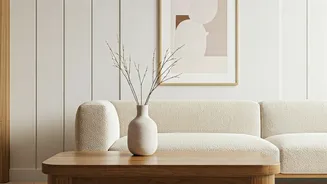
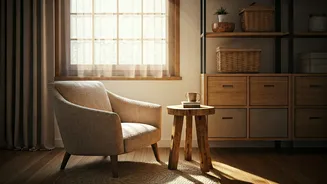
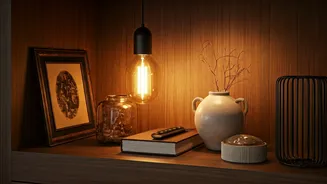
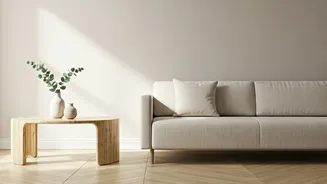
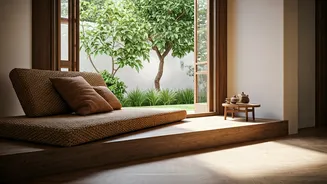
experience. Think of spaces that feel as good as they look: the soft texture of a wool bouclé chair, the dappled light filtering through linen curtains, the solid feel of a natural wood table. It’s a design approach that borrows from principles like Japandi—a hybrid of Japanese minimalism and Scandinavian warmth—which prioritizes natural materials, craftsmanship, and a deep connection to the environment. The goal isn't emptiness, but a curated environment where every object has a purpose and a place, allowing the mind to rest.
A Sanctuary from a Noisy World
So why now? This trend is a direct reaction to the pressures of modern life. We live in a state of perpetual overstimulation, bombarded by notifications, endless news cycles, and the performance art of social media. Our homes, once just a place to sleep, were forced into becoming our offices, gyms, and social hubs during the pandemic. That period fundamentally rewired our relationship with our living spaces. We realized that a home needed to be more than just functional or Instagrammable; it needed to be a genuine sanctuary. Creating a calm space is an act of reclaiming a corner of the world for ourselves, a deliberate boundary against the chaos. It’s an investment in mental and emotional well-being, a daily retreat from a world that demands our constant attention.
The New Rules of Status
This is where the “status symbol” part comes in, and it’s more subtle than a designer logo. The old luxury was about conspicuous consumption—displaying wealth through recognizable, expensive objects. The new luxury, often called “quiet luxury,” is about inconspicuous consumption. The status is not in the object itself, but in the lifestyle it represents. Having a truly calm, decluttered, and harmonious home signals that you have something more valuable than money: you have peace. It suggests you have the time to be intentional, the resources to invest in high-quality, unbranded materials, and the discipline to edit your life down to what truly matters. It’s a flex, but a quiet one. It says, “My life is so under control that my home is a serene oasis,” and in today's world, that’s a more powerful statement than any flashy sports car.
The Anatomy of a Serene Space
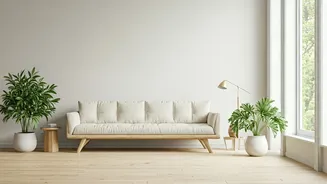
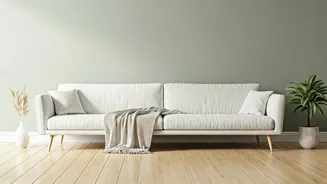
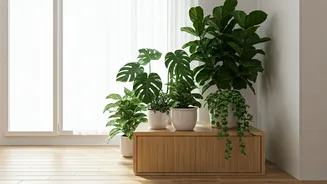
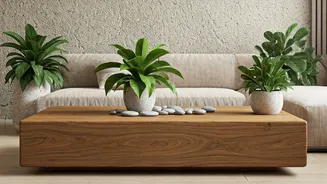
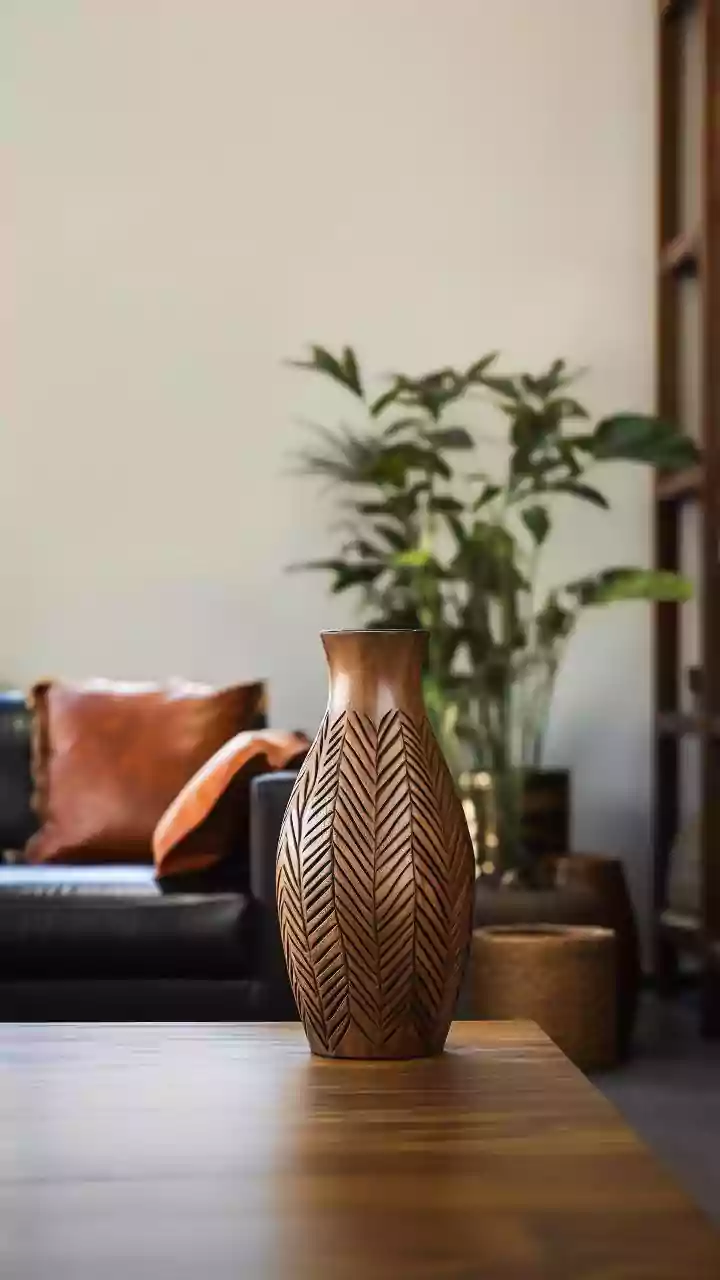
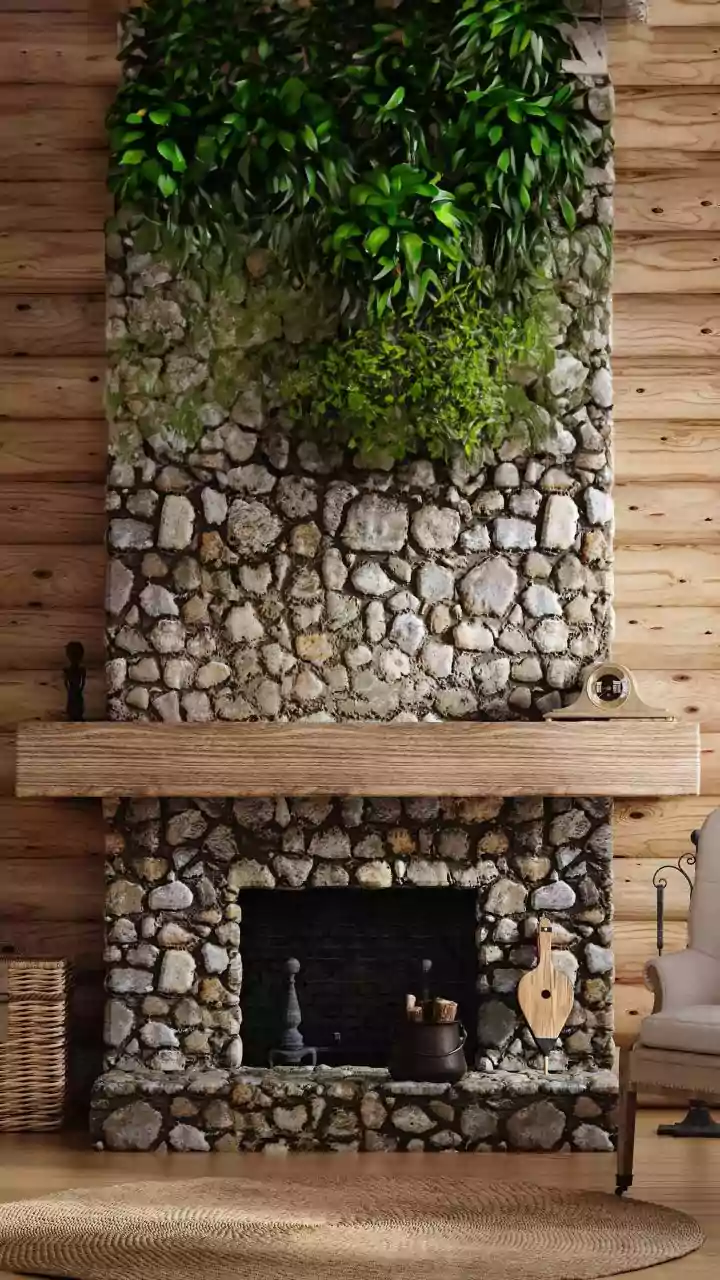
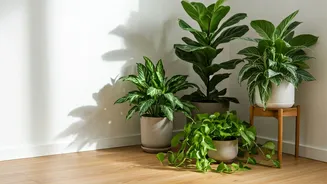
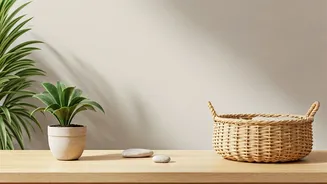
Achieving this calm doesn't require a gut renovation. It’s about a series of deliberate choices. Biophilic design plays a huge role—incorporating plants, natural light, and organic forms to connect us with nature. Materiality is key; designers are moving away from cold, synthetic surfaces toward warm, tactile materials like stone, clay, linen, and unfinished wood. Color palettes are often muted but not boring, focusing on earthy tones, soft greens, and deep blues that have a psychologically soothing effect. Perhaps most importantly, it involves creating analog zones. A reading nook without a screen, a kitchen where conversation is the main event, a bedroom optimized for sleep instead of late-night scrolling. It’s about designing for human experience, not just for a photograph.