




Beyond the Big Box Hybrid
For decades, the default choice for many gardeners has been hybrid seeds, the kind widely available at major home improvement stores. Hybrids are the workhorses of modern agriculture, bred by cross-pollinating different plant varieties to achieve specific,
desirable traits—uniform size, disease resistance, and the ability to withstand long-distance shipping. They are predictable and reliable, which is great for commercial farming. But for the home gardener with limited space, a different set of priorities has begun to emerge. Predictability is being traded for personality, and uniformity for unparalleled flavor. This is where heirlooms come in.
A Taste of History
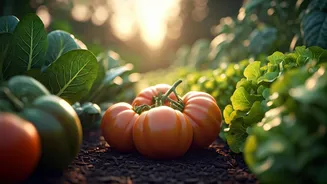
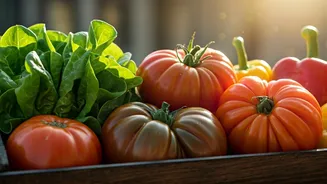
Heirloom seeds are, in essence, living history. They are open-pollinated varieties that have been passed down through generations, often for 50 years or more. Unlike hybrids, their seeds can be saved and replanted year after year, and they will grow true to type. Each one comes with a story, whether it's the 'Brandywine' tomato, fabled for its rich taste since the 1880s, or the 'Moon and Stars' watermelon, with its celestial-looking rind. For the terrace gardener, planting an heirloom isn't just about growing food; it's about cultivating a connection to the past. The flavor is often the main draw. An heirloom tomato, bursting with complex, sweet, and acidic notes, is a world away from its perfectly round, less flavorful supermarket cousin.
The 'High-Yield' Revolution
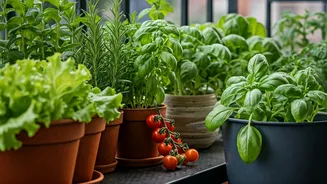
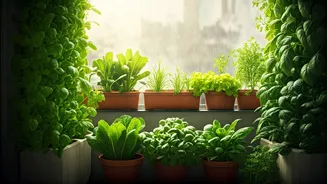
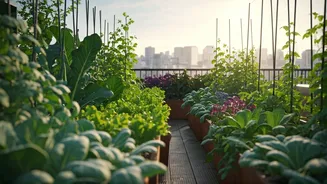
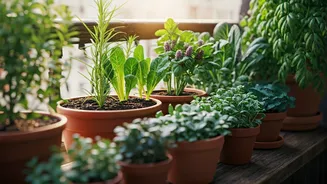
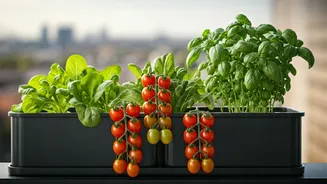
The traditional knock against heirlooms was that they could be finicky or less productive than modern hybrids. That perception is changing, thanks to a renewed focus on identifying and promoting 'high-yield' heirlooms. Seed companies specializing in these varieties now highlight specific strains that are exceptionally well-suited for container gardening. Think 'Black Krim' tomatoes that produce prolifically even in a five-gallon bucket, or 'Paris Market' carrots that grow into perfect little globes in shallow soil. For the urban gardener, every square inch of patio space is precious real estate. The ability to produce a significant harvest from a few pots makes all the difference, turning a simple hobby into a legitimate source of fresh produce.
An Answer to Food Costs
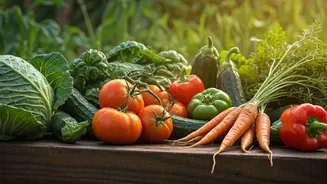
The economic argument is increasingly compelling. As grocery bills climb, the appeal of homegrown food becomes much more practical. A single packet of high-yield heirloom tomato seeds might cost five dollars, but it can produce dozens of pounds of produce that would cost a small fortune at a farmer's market. This concept, often called 'return on investment gardening,' is a major driver of the trend. Growing specialty items like purple peppers, striped zucchini, or gourmet lettuces on a terrace provides access to high-value produce for a fraction of the retail cost. It’s a delicious, tangible way to offset household expenses while also enjoying superior quality.
Seed Sovereignty and Self-Sufficiency
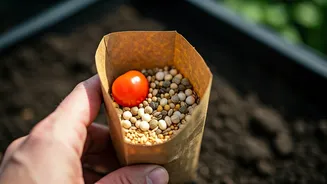
On a deeper level, the shift toward heirlooms taps into a growing desire for self-sufficiency and sustainability. Because heirloom seeds are open-pollinated, gardeners can save seeds from their own harvest to plant the following year. This simple act creates a closed-loop system, reducing reliance on buying new seeds annually. It's a small but powerful form of what activists call 'seed sovereignty'—the right of growers to breed and exchange their own seeds. For the terrace gardener, it’s a vote for biodiversity and a more resilient food system, one plant at a time. This ethos transforms a personal hobby into a practice with a positive impact, connecting a small urban balcony to a much larger global conversation about food and our future.