







The Polyester Problem
Take a look at the tags on most of your activewear. Chances are, you’ll see one word over and over: polyester. This synthetic fiber, a form of plastic derived from petroleum, became the king of workout gear for a few simple reasons. It’s incredibly durable,
it’s cheap to produce, and it’s excellent at wicking moisture—pulling sweat away from your skin so you don’t feel drenched. For decades, these benefits made it the undisputed champion of the gym, the track, and the yoga studio. But its reign is coming with some increasingly obvious downsides. First, it doesn’t breathe. While it moves sweat, it can trap heat and odor-causing bacteria, creating a 'synthetic stink' that’s notoriously hard to wash out. That’s because the non-porous fibers create a perfect breeding ground for the specific bacteria that produce body odor. This is why a polyester shirt can smell bad again just minutes into your next wear, even right after being laundered.
Enter Bamboo Fabric
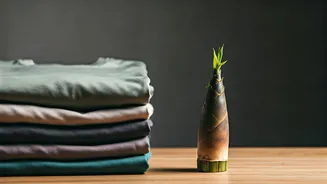
Amid the sea of synthetics, a natural contender is gaining serious traction: bamboo. But what is it, exactly? Most bamboo activewear is made from bamboo viscose (or rayon). The process involves harvesting bamboo stalks, crushing them into a pulp, and then using a chemical process to dissolve and regenerate the cellulose fibers into a soft, silky thread that can be woven into fabric. The result is a material that feels dramatically different from polyester. It's exceptionally soft to the touch, often compared to a blend of cashmere and silk. It has a natural drape and a lightweight feel that’s less about compression and more about moving with your body. For activewear, this translates into a less restrictive and more luxurious experience against the skin during movement.
Performance Showdown: Comfort and Breathability
This is where the difference becomes most apparent. During a high-intensity workout, a polyester shirt wicks sweat effectively but can leave you feeling like you’re wearing a plastic bag. It clings, feels clammy, and holds onto heat. Bamboo fabric, on the other hand, is highly breathable and thermoregulating. Its fibers are filled with micro-gaps, which allow for better ventilation and help your skin breathe. This means it helps keep you cooler when it’s hot and warmer when it’s cool. It’s also incredibly absorbent, pulling moisture into the fiber itself rather than just moving it across the surface. This creates a drier feel against the skin and prevents that sticky, uncomfortable sensation common with synthetics. After the workout, the difference in odor retention is night and day. Bamboo’s natural properties make it less hospitable to odor-causing bacteria, meaning your shirt will smell fresher for longer.
The Eco-Friendly Fine Print
The 'eco-friendly' label is where the conversation gets more nuanced. Polyester’s environmental report card is poor. As a petroleum product, its production is energy-intensive and relies on fossil fuels. Furthermore, every time you wash it, it sheds thousands of tiny microplastics that flow into our waterways and oceans, where they persist indefinitely. Bamboo, as a plant, is a sustainability superstar. It’s one of the fastest-growing plants in the world, requires no pesticides, and uses significantly less water than cotton. However, the standard process to convert bamboo pulp into fabric (the viscose process) can involve harsh chemicals that are harmful if not managed properly. The good news is that more and more companies are aware of this. To make a truly sustainable choice, look for brands that use a 'closed-loop' system, where up to 99% of the water and solvents are recaptured and reused. Certifications like OEKO-TEX (which tests for harmful substances) and Forest Stewardship Council (FSC) (which ensures the bamboo is responsibly sourced) are your best friends here. They signal that a brand is taking its environmental responsibility seriously.