

The End of the ‘Museum’ Home
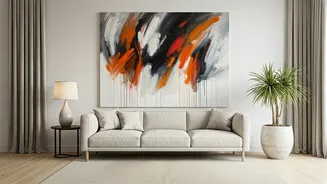
For decades, a certain type of interior design reigned supreme in many aspirational Indian and Indian-American homes. It was a style built on presentation. The centerpiece was often a formal drawing room, a space meticulously decorated to project success
and status. It featured gleaming marble floors, heavily carved furniture, and glass cabinets filled with crystal and porcelain that were for admiring, never for using. This was the “guest room” mentality writ large: a significant portion of the home was functionally off-limits to its own inhabitants, preserved in a state of perpetual readiness for visitors who might or might not arrive. This approach wasn't about a lack of taste; it was a powerful symbol. For many, especially first-generation immigrants, creating a picture-perfect, orderly home was a tangible manifestation of having arrived, a visual confirmation of stability and prosperity in a new land. The home was a statement to the outside world before it was a sanctuary for the family within.
From Presentation to Personalization
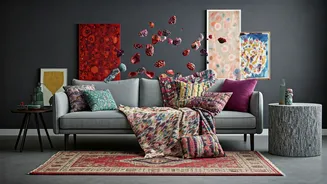
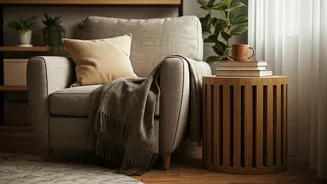
Today, that script is being flipped. A growing movement, particularly among younger generations and the design-savvy, is rejecting the notion of the home as a showroom. The new ideal isn’t about impressing guests; it’s about creating a space that reflects the occupants' true selves. The focus has shifted from pure display to meaningful function. A beautiful piece of brassware isn't just an artifact; it’s a planter for a beloved monstera. An inherited textile isn't stored away; it’s thrown over a comfortable armchair for daily use. This isn't a pivot to stark minimalism. In fact, many of these homes embrace a vibrant, layered maximalism. The key difference is that every object, every piece of furniture, is expected to pull its weight. It must either serve a practical purpose, hold a personal memory, or tell a compelling story. The home is becoming a living autobiography, not a static portrait.
The Forces Driving the Change
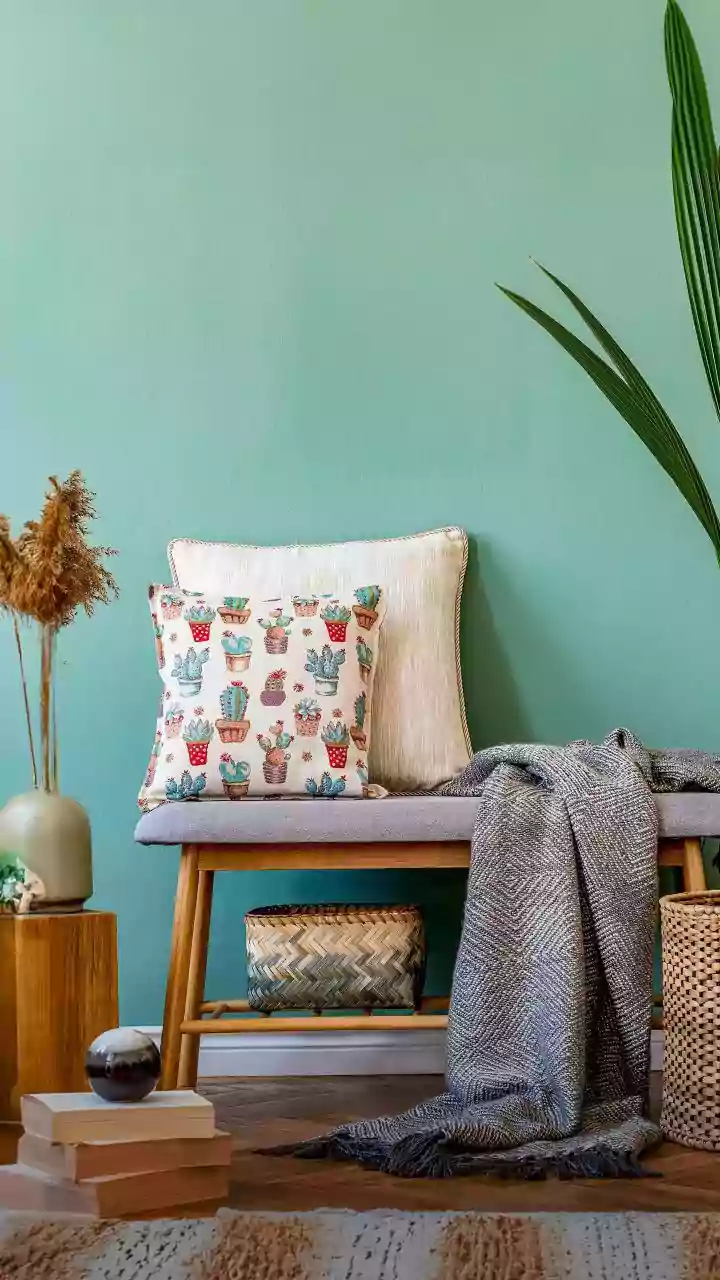
Several factors are fueling this evolution. First, there's a generational shift in cultural confidence. Second and third-generation Indian Americans often have a more relaxed relationship with their heritage and success. They feel less pressure to prove their standing through material display and are more interested in expressing their unique, hybrid identities. Global exposure, thanks to the internet and more accessible travel, is another major driver. Homeowners are now curating their styles from a global palette, seamlessly blending a handcrafted block-print cushion from Jaipur with a sleek Scandinavian side table. There's also the undeniable impact of the pandemic. After being confined to our homes for months, the demand for comfort, flexibility, and multi-functional spaces skyrocketed. The formal living room seemed more absurd than ever when what was really needed was a comfortable nook for Zoom calls or a cozy corner for family movie nights.
The Look and Feel of the New Indian Home
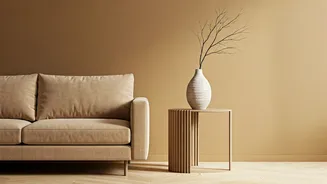
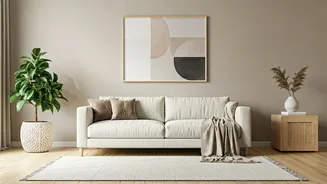
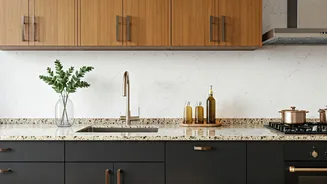
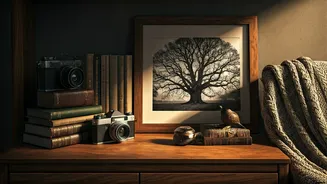
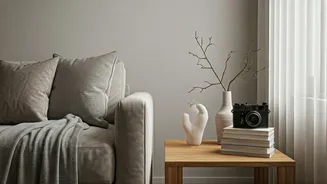
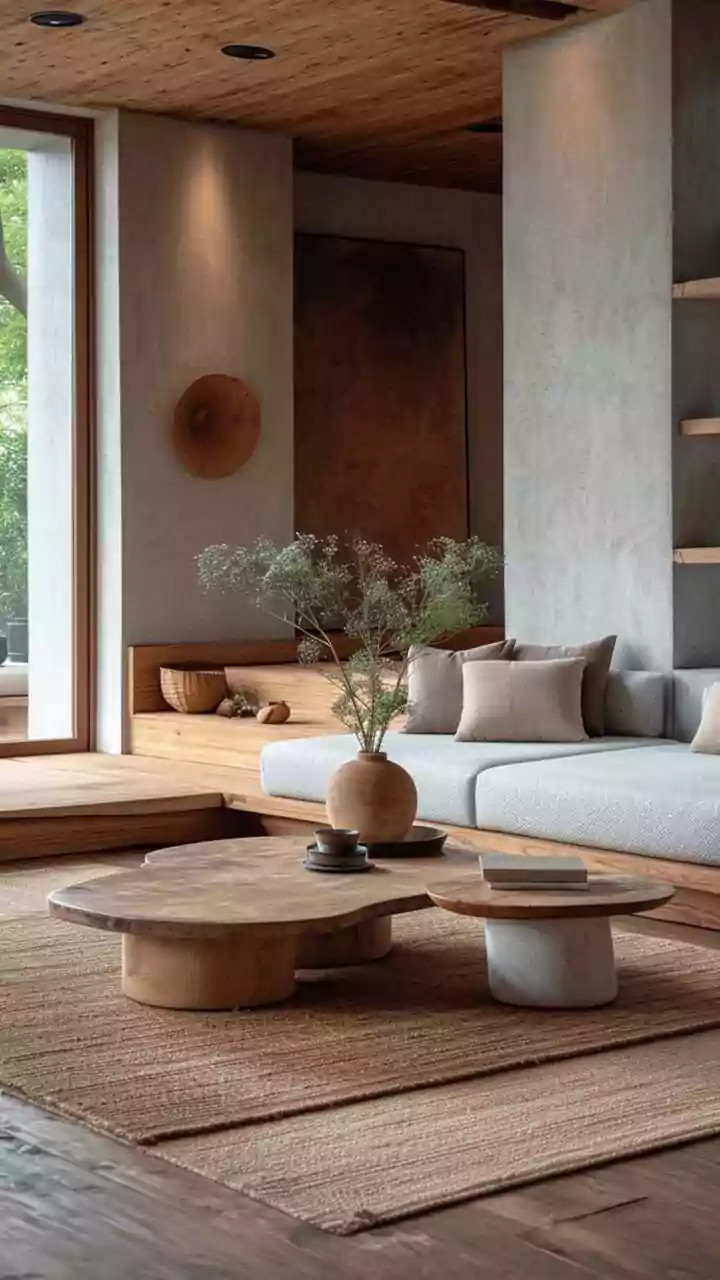
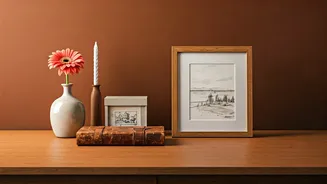
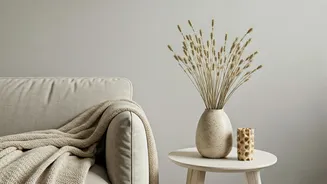
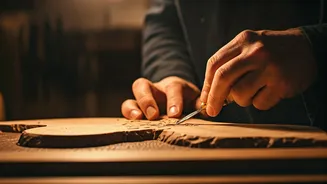
So, what does this new approach look like in practice? It’s a celebration of authenticity and craftsmanship over brand-name flash. Instead of mass-produced decor, there’s a preference for artisanal pieces—hand-thrown pottery, unique art from local creators, and custom furniture. Heirlooms are being dusted off and integrated into daily life, their imperfections and signs of age seen as marks of character, not flaws. The color palettes are often warm and earthy, creating an inviting, cocoon-like atmosphere. Texture is paramount, with layers of linen, cotton, and wool adding depth and comfort. Spaces are designed to be fluid, easily adapting from a workspace to a place of relaxation. It’s a design language that values comfort, storytelling, and the beauty of a life well-lived, right inside the four walls of your home.