




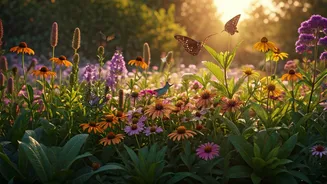


More Than a Pandemic Hobby
Not long ago, the decision to grow your own tomatoes or seek out organic produce felt like a personal health choice. But a significant shift is underway. Across the United States, millions of Americans are embracing a pesticide-free lifestyle, driven
by concerns over health, environmental impact, and food quality. This isn't just about buying certified organic at the supermarket; it's a deeper engagement with where our food comes from. This movement has found its most potent expression in the soil, with a surge in home and community gardening. What started for many as a quarantine pastime has blossomed into a sustained commitment to self-sufficiency and clean living. And this collective action is having a powerful, and perhaps unexpected, economic ripple effect.
The Rise of Community Seed Libraries
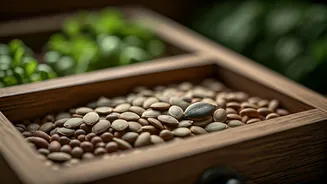
When you hear “seed vault,” you might picture a doomsday-proof bunker in the Arctic. While the Svalbard Global Seed Vault is vital for humanity, the real action for local economies is happening on a much smaller, more accessible scale. We're talking about local seed vaults, more commonly known as seed libraries or seed exchanges. Often housed in public libraries, community centers, or local non-profits, these are hubs where community members can “check out” seeds for free, grow the plants, and then “return” seeds from their own harvest. The goal isn't to lock seeds away; it's to get them into the hands of gardeners, adapting them to local climates and preserving genetic diversity that large-scale agriculture often overlooks.
Connecting Lifestyle to Local Seeds
So how does a desire for a pesticide-free salad connect to these libraries? The link is demand. As more people commit to organic gardening, they quickly realize that the seeds available at big-box stores are often designed for industrial agriculture—prioritizing uniformity and transportability over flavor and local resilience. Gardeners seeking unique, flavorful, and chemical-free options are turning to heirloom and open-pollinated seeds. These are the very seeds that local exchanges specialize in. This growing demand validates the mission of seed libraries, increasing their circulation, membership, and community relevance. It creates a virtuous cycle: the more people garden organically, the more they need diverse, locally-adapted seeds, and the stronger these community institutions become.
Cultivating a Niche Economy
This is where the economic boost becomes tangible. The increased demand for non-commercial seeds doesn't just fill the shelves of community libraries; it creates a market for small, independent seed companies. These businesses, often family-run and regionally focused, are thriving by supplying the very heirloom, organic, and rare seeds that conscious consumers crave. They create local jobs, from growing and harvesting seeds to packing and marketing them. Furthermore, this movement supports a wider ecosystem. It bolsters farmers' markets where growers sell produce from these unique seeds. It supports workshops on seed saving and organic gardening. It’s not about generating billions for Wall Street, but about creating resilient, circular economies where money and resources stay within a community, strengthening its food sovereignty and economic independence.
An Investment in Resilience
The true value of this trend goes beyond simple economics. By supporting local seed vaults and the economies around them, these lifestyle shifts are building a crucial buffer against future shocks. A food system reliant on a few hybrid crops is fragile. A supply chain that spans thousands of miles is easily disrupted. In contrast, a community with a robust, diverse, and locally-controlled seed stock is more resilient. It's better equipped to handle climate change, as locally adapted seeds often perform better in unpredictable conditions. It provides a foundation for genuine food security, empowering people to grow what they need close to home. This quiet movement, rooted in a desire for a healthier life, is ultimately a powerful act of community-building and a down payment on a more sustainable future.