


Meet the 'Miracle Tree'
Before it was a trendy green powder in a pricey pouch, moringa was, and still is, a tree. Specifically, the *Moringa oleifera* tree, a fast-growing, drought-resistant plant native to the Indian subcontinent. For generations, it's been a backyard pharmacy
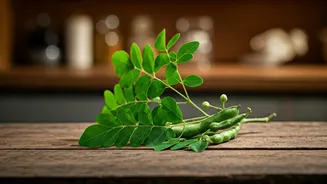
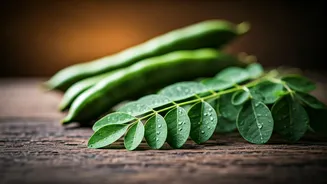
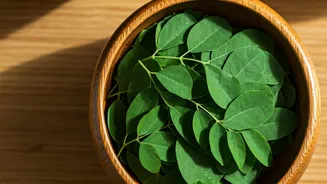
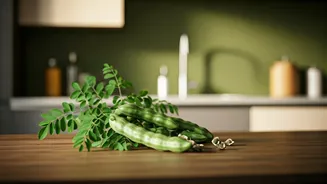
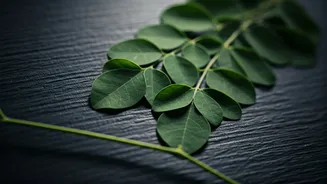
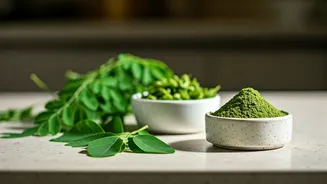
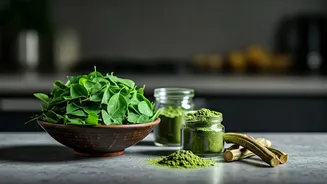
and grocery store all in one, which is why it’s often nicknamed the 'miracle tree.' Nearly every part of the tree has a use, but in the kitchen, two parts reign supreme. First, there are the long, slender seed pods, known as 'drumsticks' (*sahjan* or *murungakkai* in various Indian languages). These are treated as a vegetable, prized for their unique flavor and tender pulp. Then there are the delicate leaves, packed with nutrients, which can be cooked like any other leafy green.
The Original Superfood: Moringa in Traditional Fare
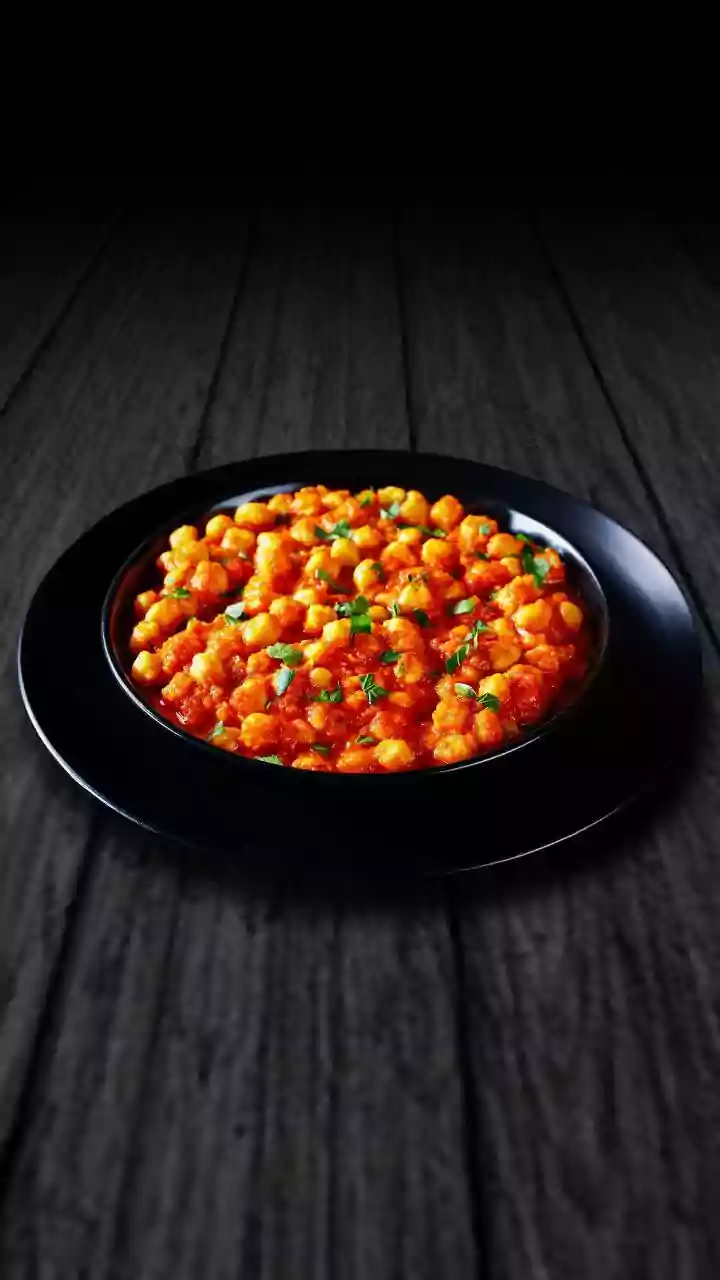
Long before a single influencer blended it into a smoothie, moringa drumsticks were the star of countless traditional dishes, especially in South and East India. If you’ve ever had a truly authentic South Indian *sambar*—the savory lentil stew that’s a cornerstone of the cuisine—you’ve likely encountered them. The drumsticks are cut into segments and simmered until tender, imparting a subtly sweet, asparagus-like flavor and absorbing the surrounding spices. The only way to eat them is to artfully chew or suck the soft pulp from the fibrous casing—a beloved, if slightly messy, culinary ritual.
The leaves, too, have always had a place in regional cooking, often stir-fried with coconut and spices or added to lentil dishes for a nutritional boost. This wasn't about 'supercharging' a meal; it was simply good, sensible home cooking, using what was fresh, local, and known to be nourishing.
The Modern Makeover: From Vegetable to Vibe
So what does the headline 'adding it to everything' really mean? It points to a fascinating cultural boomerang. As the West embraced moringa as a wellness product—primarily in its convenient, shelf-stable powder form—that trend has reflected back to India’s urban centers. A new generation, already familiar with the plant but now armed with global health vocabulary, is rediscovering it.
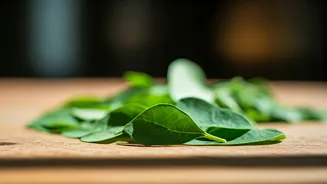
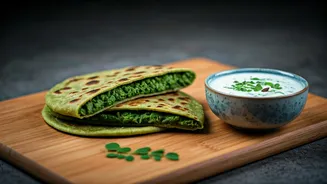
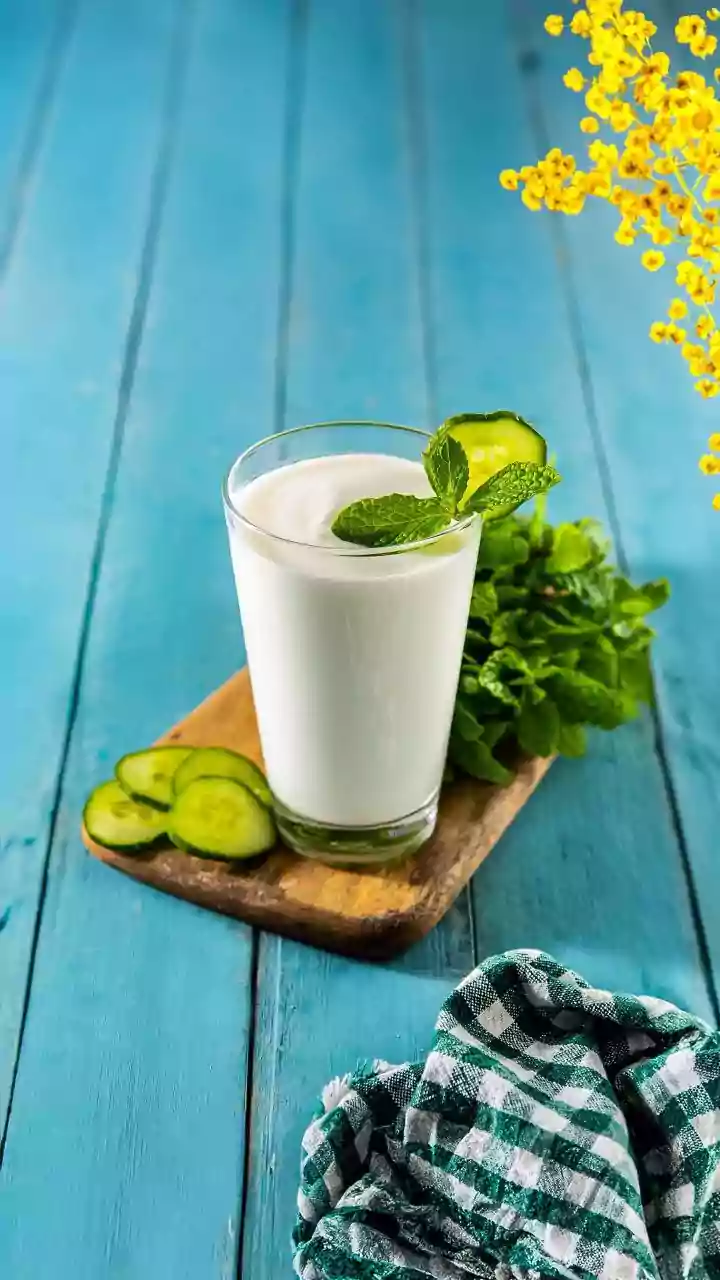
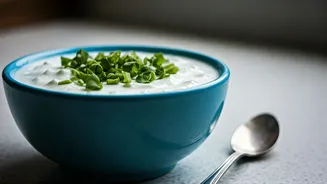
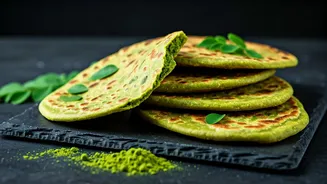
This is where the creativity comes in. The earthy, spinach-like flavor of moringa leaf powder makes it a surprisingly easy addition to modern Indian kitchens. It’s being whisked into yogurt for a nutrient-dense *raita*, kneaded into the dough for *rotis* and *parathas* to give them a green hue and an iron boost, and blended into chutneys. Chefs in contemporary Indian restaurants are incorporating it into soups, sauces, and even desserts, celebrating its heritage while giving it a sophisticated, modern twist. It’s a full-circle moment: the humble backyard vegetable has become a chic, wellness-certified ingredient in its own homeland.
How to Bring Moringa Into Your Kitchen
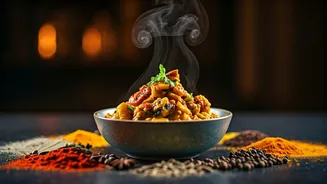
Curious to try it? You have two paths. For the traditional experience, seek out fresh or frozen moringa drumsticks at an Indian or international grocery store. Add them to lentil soups or vegetable curries, simmering them for 15-20 minutes until the pulp is soft. Remember, you eat the inside, not the tough exterior.
For the modern, convenient approach, grab a bag of moringa leaf powder. Start small, as its potent, earthy flavor can be strong—think of it as a slightly more bitter matcha. A teaspoon can be easily blended into a fruit smoothie, stirred into a bowl of oatmeal, or whisked into a vinaigrette. It also pairs beautifully with dal, scrambled eggs, or any savory dish where you might otherwise use spinach or kale. It’s a simple way to add a concentrated dose of vitamins and minerals to meals you already make.