



The King of Fruits Has Landed
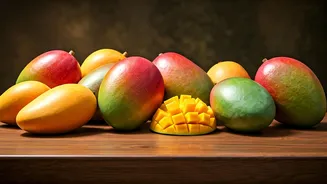
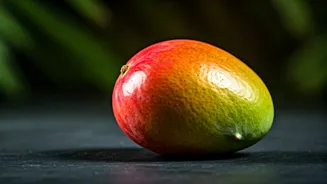
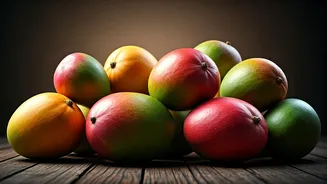
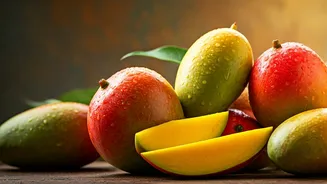
For many Americans, a mango is a mango: a large, reddish-green fruit with firm, slightly fibrous flesh. It’s a pleasant, tropical-adjacent addition to a smoothie or salsa. But for millions of people from the Indian subcontinent, that’s not a mango—it's
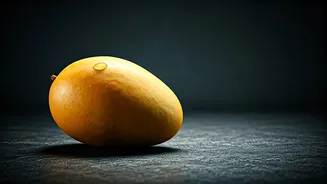
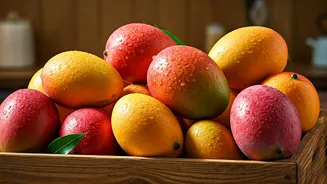
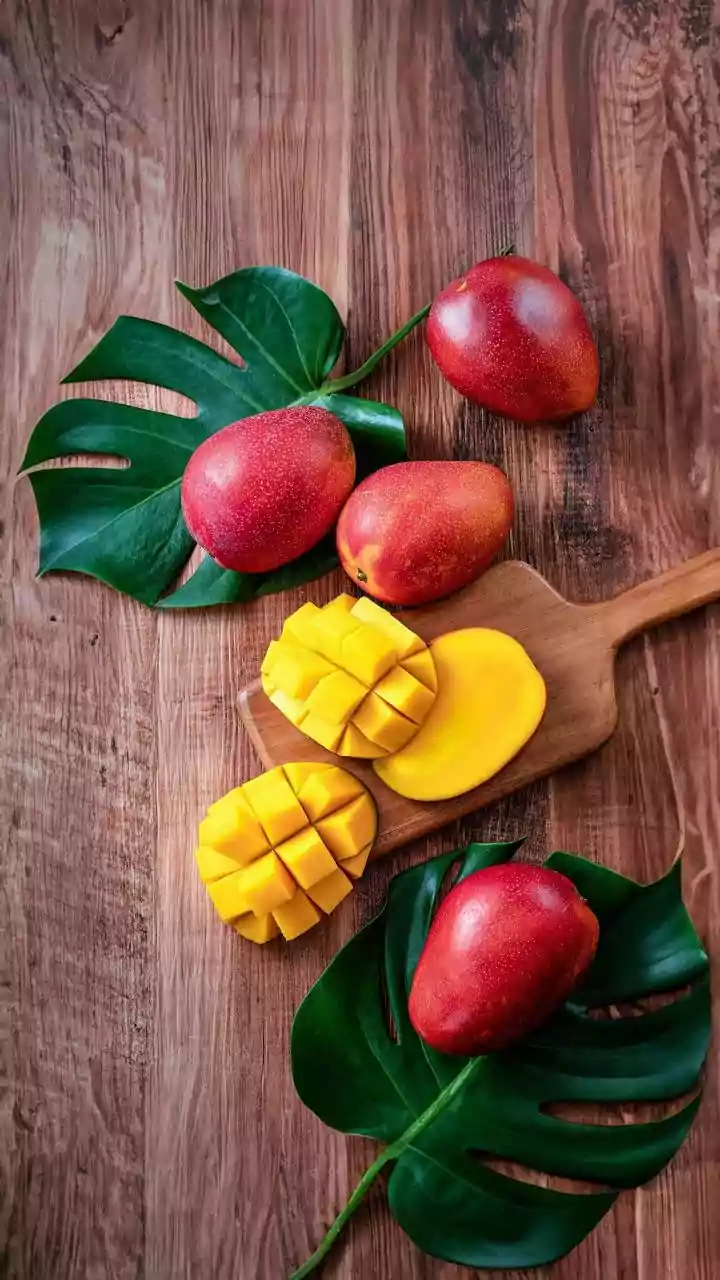
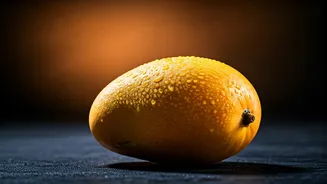
a pale imitation. The real thing, they’ll tell you, is a different experience entirely. We’re talking about varieties like the Alphonso, a small, golden-yellow fruit often called the “king of mangoes.” Cut one open, and the difference is immediate. There’s no tough, stringy fiber. The flesh is a deep, uniform saffron color, with a buttery, custard-like texture that melts on the tongue. The flavor is an intense, complex explosion of sweetness, with notes of honey, citrus, and peach. The aroma alone is powerful enough to perfume an entire room. This isn't just fruit; it's a full-sensory event, a short-lived seasonal treasure that, for a long time, was nearly impossible to get in the U.S.
A Taste Worth the Trouble
The journey of the Indian mango to American shores has been long and complicated. For decades, they were banned from import into the United States due to concerns about fruit flies and other pests. This created a thriving black market and a cottage industry of people smuggling the precious fruits in their luggage for desperate relatives. For those in the diaspora, a true Indian mango was the ultimate taste of home, a flavor tied inextricably to memory and place.
That changed in the mid-2000s, when diplomatic agreements established a system to make imports possible. The solution? Irradiation. Before being shipped, the mangoes undergo a low dose of radiation, a process approved by the USDA and FDA that eliminates pests without harming the fruit or making it radioactive. This process adds significant cost and logistical complexity, which is why these mangoes are far more expensive than their Latin American counterparts. They remain a premium, almost luxury, good, available for only a few precious weeks each spring and summer.
More Than Just a Fruit
The excitement around Indian mango season goes far beyond simple foodie enthusiasm. For the Indian-American community, the arrival of the first Alphonso or Kesar mangoes is a major cultural event. It’s an act of connection—to childhood memories of summer vacations, to the specific tastes of a home region, and to family. Gifting a box of mangoes is a significant gesture of love and respect. WhatsApp groups buzz with sightings at local Indian grocery stores, and demand often outstrips the limited supply.
But the appeal is broadening. As American palates become more adventurous, a new wave of consumers is discovering what the fuss is all about. Chefs are featuring them on menus as a seasonal special. Food bloggers and influencers are posting ecstatic unboxing videos. The Indian mango is transitioning from a niche ethnic product to a mainstream culinary prize, winning new fans who have never set foot in India but can recognize a transcendent flavor when they taste one.
Know Your Mangoes
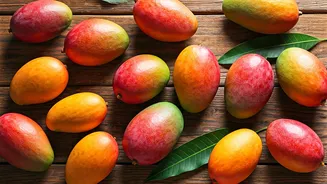
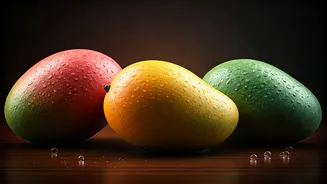
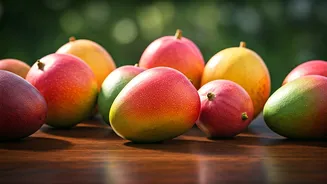
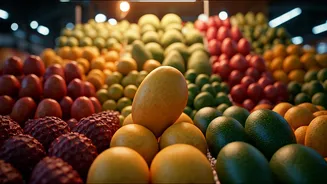
While the Alphonso gets most of the international press, India is home to hundreds of mango varieties, each with its own unique character. The Kesar, from Gujarat, is known for its intense saffron color and fragrance, making it a favorite for pulp and desserts. The Dasheri, from Northern India, is long, elegant, and packed with super-sweet, fiberless juice. The Langra is a green-skinned variety from Varanasi that stays green even when ripe and has a distinctive, slightly tart flavor profile. Exploring these different types is part of the joy, offering a delicious lesson in the country's rich agricultural diversity.