




The Gold Standard of Pet Safety
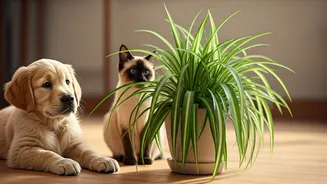
The single biggest hurdle for plant-loving pet owners is toxicity. One nibble of a lily, sago palm, or dieffenbachia can lead to a costly, terrifying emergency vet visit. This is where the spider plant (Chlorophytum comosum) earns its crown. According
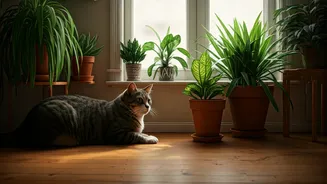
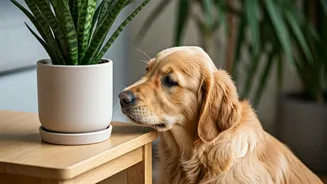
to the American Society for the Prevention of Cruelty to Animals (ASPCA), spider plants are officially non-toxic to both cats and dogs. This designation makes it one of the safest possible choices for bringing greenery into a home shared with furry companions. While they aren't poisonous, it’s worth noting that spider plants produce compounds that can be mildly hallucinogenic to cats, which is partly why felines find their leaves so irresistible. If your cat eats a large quantity of the leaves, it might lead to mild stomach upset, vomiting, or diarrhea. However, this is a far cry from the life-threatening organ damage that true toxic plants can cause. For most pet owners, the peace of mind that comes with a non-toxic ASPCA rating is the ultimate feature.
Forgiving for the Forgetful Owner
A plant can be safe, but if it dies within a week, it’s not exactly a decorative 'win.' The spider plant excels here, too. It’s famously resilient and thrives on a level of neglect that would spell doom for fussier botanicals like a fiddle-leaf fig. This makes it perfect for busy pet owners who already have enough responsibility.
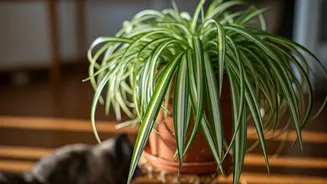
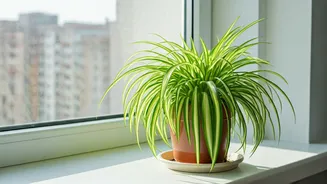
Spider plants are adaptable to a wide range of lighting conditions. While they prefer bright, indirect light, they can tolerate lower-light corners of your home better than most. Their fleshy, tuberous roots are designed to store water, making them surprisingly drought-tolerant. Forget to water it for a week or two? The spider plant will likely forgive you. The tips of the leaves might turn brown if the soil is too dry or the water is heavily treated, but a quick trim and a good soak are usually all it takes to bring it back to its vibrant self. This hardiness removes the pressure, allowing you to enjoy the aesthetic without the constant worry.
A Versatile Decor Chameleon
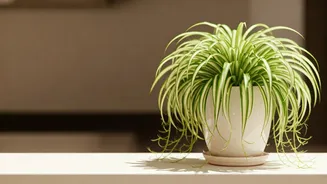
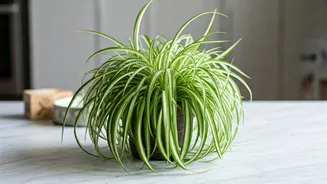
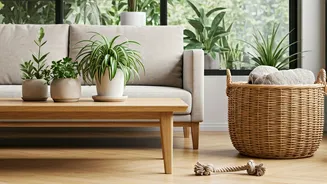
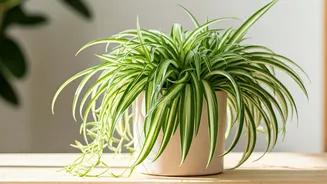
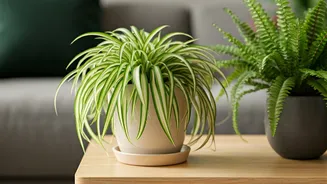
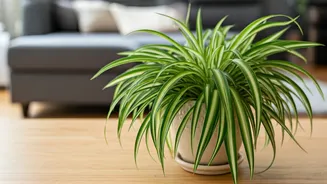
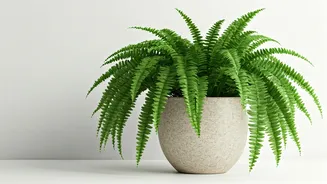
Beyond its practical benefits, the spider plant is a genuine style asset. Its appeal lies in its classic, unpretentious structure: a fountain-like cascade of slender, arching leaves. This simple form allows it to blend seamlessly into virtually any interior design scheme. In a minimalist or modern space, a single spider plant in a sleek ceramic pot adds a touch of organic softness. In a bohemian or eclectic room, its wild, arching foliage complements other textures and patterns beautifully.
The plant's growth habit makes it exceptionally versatile. Placed on a bookshelf or mantel, its leaves will drape elegantly over the edge. It truly shines, however, in a hanging basket. Suspending a spider plant allows its 'spiderettes'—the small baby plants that dangle from long stems—to cascade downward, creating a dynamic, living sculpture. This also serves a practical purpose for pet owners, keeping the tempting leaves out of reach of a particularly determined cat or dog.
The Plant That Keeps on Giving
A spider plant doesn’t just sit there; it actively gives back. It gained fame from NASA’s Clean Air Study for its ability to filter common indoor air pollutants like formaldehyde and xylene from the air in a sealed environment. While you'd need a jungle's worth of them to truly purify your home, it's a nice bonus to know your decor is working for you in a small way.
More tangibly, spider plants are prolific propagators. Those 'spiderettes' that hang from the mother plant are fully-formed baby plants, complete with tiny roots. Once they are an inch or two wide, they can be snipped off and placed in water or soil to grow into entirely new plants. This makes the spider plant an endlessly renewable source of decor. You can easily fill your own home with greenery or share the babies with friends and family, making it the most generous and cost-effective plant in your collection. It’s a gift that literally keeps on growing.