




From Cargo to Co-Pilot
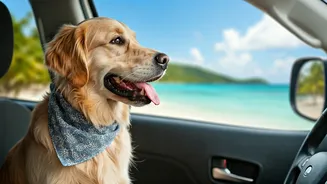
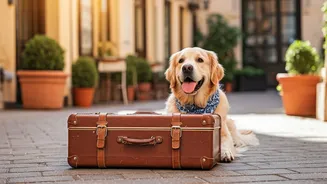
For decades, traveling with a pet was a logistical nightmare, a compromise-filled ordeal of sketchy motels, cargo holds, and leaving your furry friend out of the fun. But a profound cultural shift has occurred. The term “pet owner” has been steadily replaced
by “pet parent,” and this isn't just semantics; it's a reflection of a deeper bond. Today, a significant portion of the 87 million U.S. households that own a pet consider them integral family members. As a result, the idea of leaving them behind for a vacation feels less like a convenience and more like leaving a child at home. This shift is the primary engine driving the demand for more inclusive travel. Pet parents aren't just looking for places that *tolerate* animals; they are seeking out destinations, hotels, and experiences that actively *welcome* and cater to them. They are voting with their wallets, and the nearly $140 billion pet industry in the U.S. gives them a powerful voice.
The Rise of Pet-Centric Perks
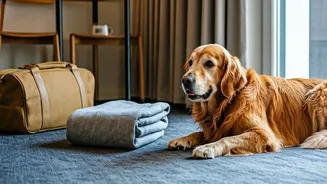
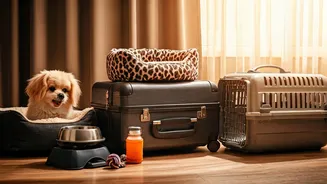
The travel industry, recognizing a lucrative and loyal market, has responded with a level of enthusiasm that goes far beyond a simple “Pets Welcome” sign. High-end hotels are leading the charge, transforming the pet-friendly stay from a compromise into a luxury experience. It's no longer just about a water bowl in the lobby. We're now seeing hotels offer custom-branded pet beds, gourmet room-service menus with options like salmon and rice for dogs, and curated welcome bags filled with organic treats and locally made toys. Some have dedicated “pet concierges” who can arrange dog walkers, pet-sitting services, or even reservations at nearby parks. Themed “yappy hours” at hotel bars, where dogs can mingle while their humans sip cocktails, are becoming a common sight. This isn't just about accommodation; it's about creating an entire vacation experience where the pet is as much a guest as the human. These amenities aren't just cute perks; they are smart business, creating powerful emotional connections and generating a flood of user-generated content on social media.
Beyond the Hotel Lobby
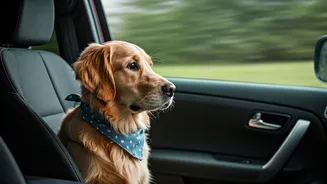
This wave of inclusivity is expanding well beyond hotel walls. Airlines, historically a major pain point for pet travelers, are slowly adapting. While flying with a large dog in the cabin remains a challenge, some charter and semi-private jet services now market themselves specifically to pet parents, offering a stress-free alternative to the dreaded cargo hold. On the ground, rental car companies are making it easier to find pet-friendly vehicles, and services like Uber Pet have normalized bringing your companion along for short-distance rides. The trend is also reshaping destinations themselves. Wineries in Napa Valley now offer dog-friendly tasting tours. Outdoor shopping centers proudly advertise their pet-friendly policies. Even some museums and cultural sites are experimenting with special “dog days.” It’s a ripple effect: as one part of the travel ecosystem becomes more accommodating, it puts pressure on the others to follow suit, creating a more seamless and enjoyable journey for a person and their pet.
Why Now? A Perfect Storm
This trend didn't appear out of thin air. It’s the result of a perfect storm of social and economic factors. The pandemic dramatically accelerated the humanization of pets. Millions of Americans adopted a “pandemic puppy” or kitten, forming incredibly tight bonds during periods of isolation. As the world opened back up, these new pet parents were faced with a choice: travel without their new family member, or find a way to bring them along. They overwhelmingly chose the latter. This coincided with the rise of remote work, which has untethered millions from the traditional office, enabling longer, more flexible trips that are more conducive to traveling with a pet. Add in a boom in domestic travel and the visual-first nature of social media—where a photo of a golden retriever enjoying “paw-secco” on a hotel balcony is marketing gold—and you have all the ingredients for a full-blown movement.