






What Exactly Is the Panchang?
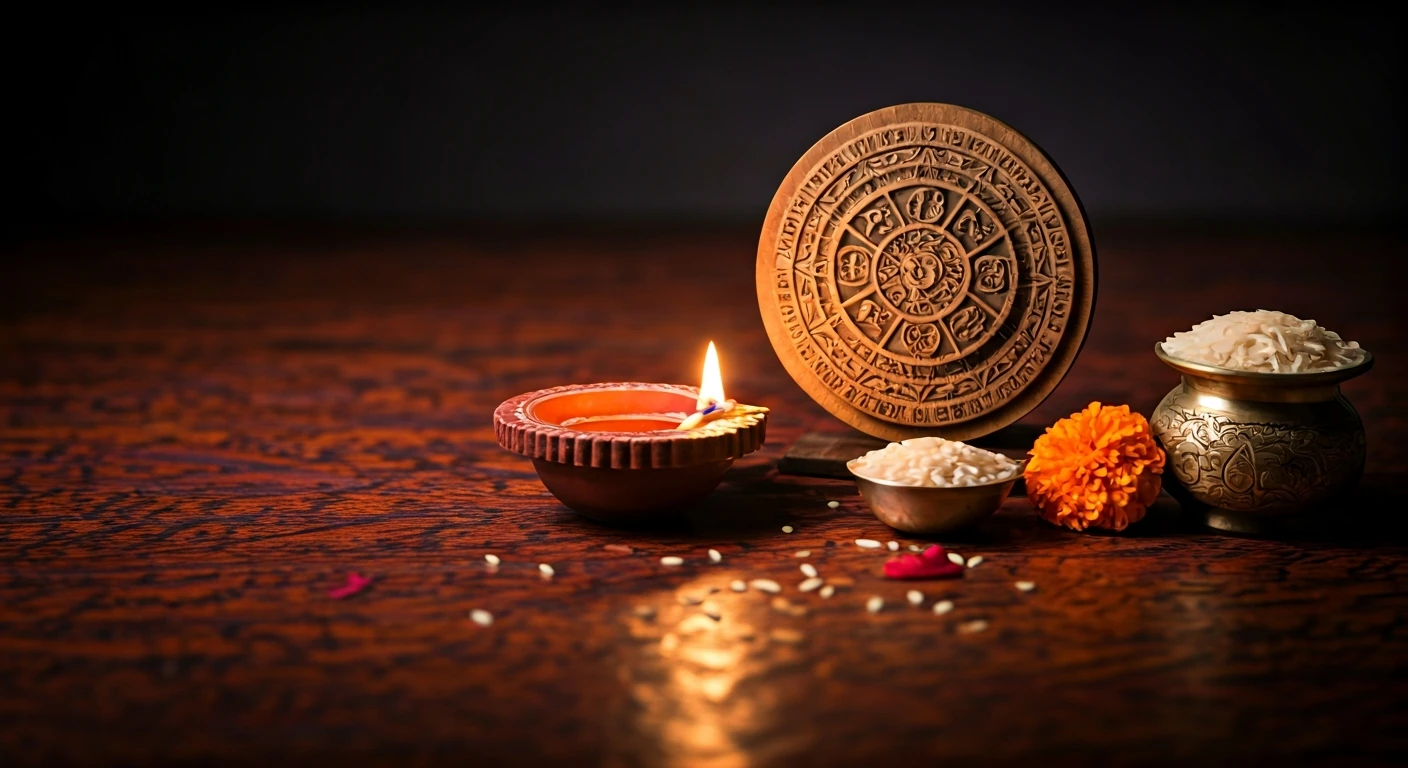
Think of the Panchang as a detailed celestial day planner. Unlike the Gregorian calendar, it’s based on the phases of the moon and the positions of other celestial bodies. The word itself breaks down into 'panch' (five) and 'ang' (limbs), referring to the five key
elements it tracks for any given day: 'tithi' (the lunar day), 'vara' (the weekday), 'nakshatra' (the constellation the moon is in), 'yoga' (an auspicious period), and 'karana' (half a lunar day). For practitioners, consulting the Panchang is essential for determining the most auspicious times for everything from starting a new venture to performing a religious ceremony. It provides a rhythm to life that connects daily activities to a larger cosmic clock.
Understanding Vrats and Tyohars
The Panchang is the guide to two central aspects of Hindu observance: 'vrats' and 'tyohars.' A 'vrat' is a vow, most commonly associated with fasting. However, it’s more than just abstaining from food; it’s a disciplined commitment to spiritual focus, often involving prayer, meditation, and charity. Vrats can be observed to honor a specific deity, seek blessings, or practice self-control. 'Tyohars' are festivals, which are often vibrant, communal celebrations marking seasonal changes, mythological events, or agricultural harvests. While vrats are often personal and introspective, tyohars are typically joyous public affairs filled with food, music, and family gatherings. Together, they create a balanced calendar of devotion and festivity.
Key Dates: Ashadha Purnima to Shravana Amavasya
As we move into the next month, the calendar transitions through the end of the Hindu month of Ashadha and into the highly sacred month of Shravana. This period is rich with significant dates. A major early event is Guru Purnima (the full moon of Ashadha), a day dedicated to honoring one's teachers and spiritual guides, both academic and divine. Shortly after, the month of Shravana begins, dedicated entirely to Lord Shiva. Many devotees observe a vrat every Monday ('Shravan Somvar') during this month. Another key date is Yogini Ekadashi, a day of fasting observed to cleanse oneself of sins and attain merits. These days provide opportunities for quiet reflection and personal devotion before the more festive occasions arrive.
Major Festivals on the Horizon
The heart of the upcoming month is marked by colorful festivals, especially as Shravana unfolds. One of the most anticipated is Hariyali Teej. Primarily celebrated by women in Northern and Western India, it commemorates the union of Lord Shiva and Goddess Parvati. Women dress in green, sing traditional songs, and swing on ornate swings hung from trees, celebrating nature's monsoon greenery and marital bliss. Following that is Nag Panchami, a festival dedicated to the worship of serpents. Snakes hold a significant place in Hindu mythology, often associated with deities like Shiva and Vishnu. On this day, devotees offer milk and prayers to serpent idols to seek protection and blessings. These festivals bring communities together and fill the month with vibrant cultural expression.
The Spirit of the Month: Devotion and Renewal
Beyond the specific rituals, the upcoming month carries a powerful theme of devotion, renewal, and gratitude. The arrival of the monsoon rains, which coincides with Shravana in India, symbolizes nature's rejuvenation. This spirit is mirrored in the month's observances, which encourage a renewal of faith and a cleansing of the spirit. For many in the Hindu diaspora, participating in these vrats and tyohars is a way to stay connected to their heritage, pass down traditions to the next generation, and find a sense of grounding in a busy world. It’s a time to slow down, honor the divine, and celebrate the cultural ties that bind families and communities across continents.