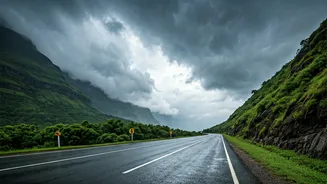







More Than Just Rain: Understanding the Monsoon
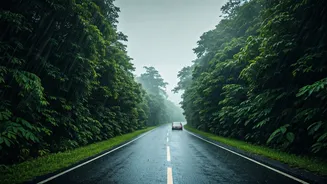
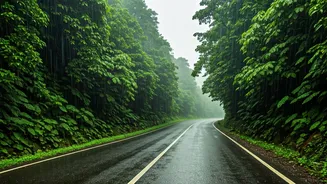
For many Americans, a forecast of “rain” means grabbing an umbrella. In Maharashtra, the monsoon is an entirely different phenomenon. It’s a seasonal reversal of winds that brings months of sustained, heavy rainfall to the region. While it transforms
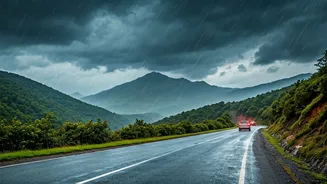
the landscape into a lush, vibrant green, it’s also a powerful force of nature. We're not talking about scattered showers; we're talking about torrential downpours that can drop several inches of rain in a few hours, continuing for days on end. This sustained deluge saturates the ground and overwhelms urban drainage systems, creating unique challenges that every traveler must understand before they arrive.
Key Risks: Flooding, Landslides, and Delays
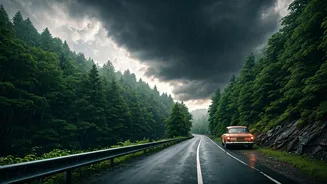
The primary danger during the monsoon is water. In cities like Mumbai, the combination of high tides and intense rain frequently leads to severe waterlogging, where streets can become impassable rivers within hours. This can shut down all forms of ground transport, leaving you stranded. In the hilly areas of the Western Ghats—home to popular hill stations like Lonavala, Khandala, and Mahabaleshwar—the risk shifts to landslides. Saturated soil can give way, blocking highways and rail lines for days and posing a direct threat to safety. Flights are also frequently delayed, diverted, or canceled due to low visibility and high winds. Beyond transport, standing water can increase the risk of waterborne diseases like dengue fever and malaria, making mosquito repellent an absolute necessity.
How Top Destinations Are Affected
Your travel itinerary will be directly impacted by the monsoon’s intensity. **Mumbai:** The city’s lifeline, its local train network, is often the first to be disrupted by flooded tracks. Taxis and ride-sharing services become scarce and expensive. Sightseeing can be difficult, if not impossible, on days with heavy downpours. **Pune and the Deccan Plateau:** While generally receiving less rainfall than the coast, Pune still experiences significant disruptions. Travel between Mumbai and Pune can be severely affected by landslides on the expressway. **The Western Ghats (Ghats):** This is where the monsoon is both beautiful and dangerous. While the waterfalls and green hills are breathtaking, it's the area most prone to landslides. Trekking and outdoor activities should only be undertaken with extreme caution and with local guides who understand the conditions. **Ajanta and Ellora Caves:** These UNESCO World Heritage sites near Aurangabad are less affected by flooding than the coastal regions, but getting there can still be a challenge if your travel plans involve crossing heavily impacted areas.
Practical Steps for a Safer Trip
Preparation is everything. First, pack accordingly: quick-dry clothing, waterproof footwear with good grip (not flip-flops), a reliable waterproof jacket, and a waterproof bag or cover for your electronics and documents. Second, build flexibility into your schedule. Do not plan tight connections. Have a backup plan for accommodation in case you get stuck somewhere. If you're renting a car, ensure it has good ground clearance and that you are comfortable driving in challenging conditions. Most importantly, listen to local advice. If a hotel owner or guide tells you a road is unsafe, believe them. Their experience is invaluable.
Where to Find Reliable Weather Updates
Your most trustworthy source is the India Meteorological Department (IMD). They issue color-coded alerts (green, yellow, orange, red) for districts across the country, indicating the severity of expected rainfall and potential impact. You can follow their updates on their website (mausam.imd.gov.in) or via their mobile app. Local news channels and newspapers also provide real-time information on traffic, waterlogging, and transport disruptions. Before heading out each day, make it a habit to check the latest IMD forecast and local news for the specific areas you plan to visit.