




1. It Starts at the Root
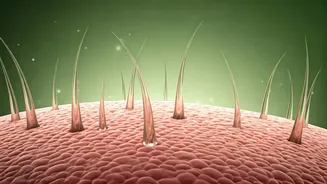
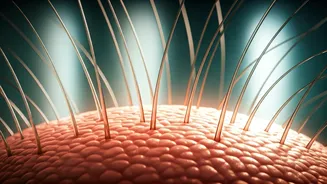
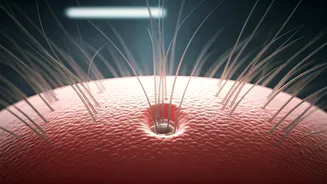
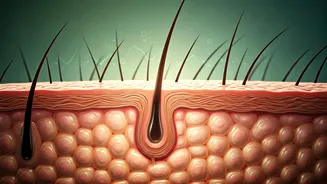
The single biggest shift in hair care is the 'skinification' of the scalp. Think of your scalp as an extension of your face, deserving of the same targeted care. In the near future, a healthy scalp will be seen as the non-negotiable foundation for healthy hair.
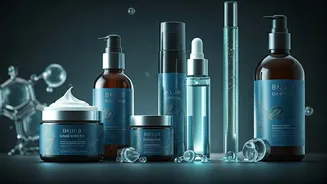
Forget the 2-in-1 shampoo-conditioner. Your bathroom shelf will increasingly feature scalp serums with ingredients like hyaluronic acid for hydration, salicylic acid for exfoliation, and niacinamide to balance oil production. A calm, clean, and well-hydrated scalp environment allows follicles to produce their strongest, most resilient hair. Redness, itchiness, and excessive flaking will be seen not just as annoyances, but as clear signs that the hair's entire support system is compromised.
2. Strength You Can't Fake
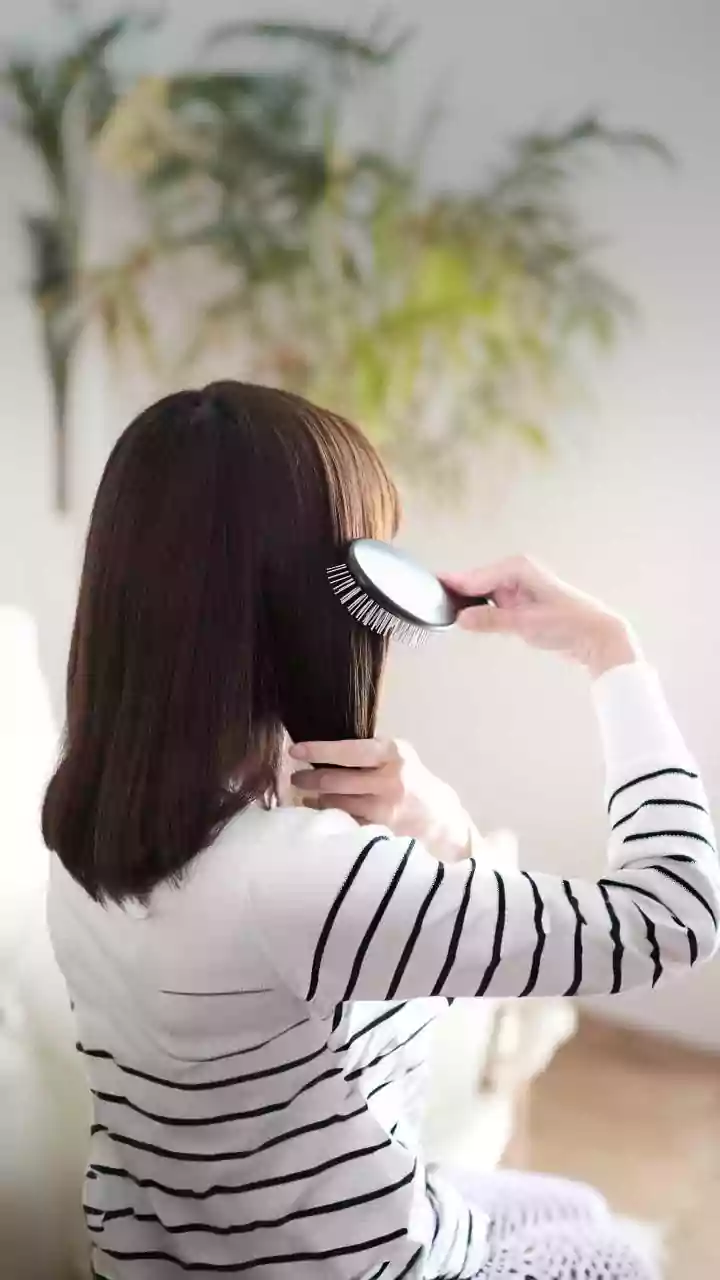
For years, 'damage control' meant slathering on silicone-based serums to create a temporary illusion of smoothness. The future is about rebuilding hair from the inside out. The science of bond-building treatments—which repair the broken disulfide bonds that form the hair's core structure—is moving from niche salon services to mainstream at-home care. By 2026, hair that is truly healthy won't just look good; it will have measurable structural integrity. This means less breakage when you brush, more elasticity and bounce, and the ability to withstand daily stressors without snapping. Healthy hair will be defined by its resilience, not just its surface-level shine.
3. Radically Personalized Routines
The one-size-fits-all approach is officially over. The future of hair care is custom. Driven by AI diagnostics and at-home testing, you'll be able to get formulas mixed specifically for your hair's porosity, density, and unique needs—right down to the environmental factors in your zip code. Instead of guessing which 'volumizing' or 'hydrating' product works, you'll answer a detailed quiz or even submit a hair sample. The result? Shampoos, conditioners, and treatments with the precise blend of proteins, oils, and active ingredients your hair actually requires. This level of personalization eliminates product waste and ensures every step of your routine is effective.
4. Embracing Your Natural Texture
This isn't about giving up styling; it's about optimizing what you were born with. The obsession with forcing hair into a texture it doesn't naturally have—whether that’s fighting curls into submission or trying to create waves on pin-straight strands—is giving way to a new philosophy. The goal in 2026 will be to make your natural hair the best version of itself. For curly hair, this means defined, hydrated, frizz-free coils. For straight hair, it means maximizing natural shine and movement. For wavy hair, it's about encouraging soft, consistent patterns. The focus will be on products and techniques that enhance, rather than fight, your hair's innate character.
5. A Minimalist Approach to Styling
As the focus shifts to fundamental hair health, the reliance on heavy, constant heat styling will decrease. This doesn't mean throwing out your flat iron, but it does mean a cultural shift toward 'less is more.' Healthy hair in 2026 looks effortless because it *is* healthier. When hair is properly hydrated, strong, and its natural texture is supported, it requires less intervention to look good. Expect to see a rise in air-dry creams, heatless styling techniques, and multi-purpose leave-in treatments that protect and style simultaneously. The ultimate status symbol will be hair that looks amazing with minimal fuss, a direct reflection of its underlying health.