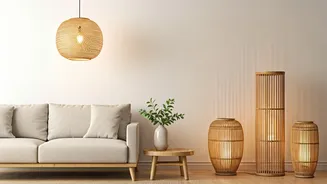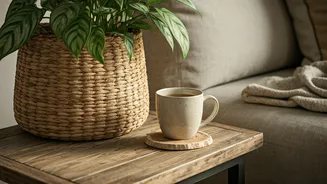

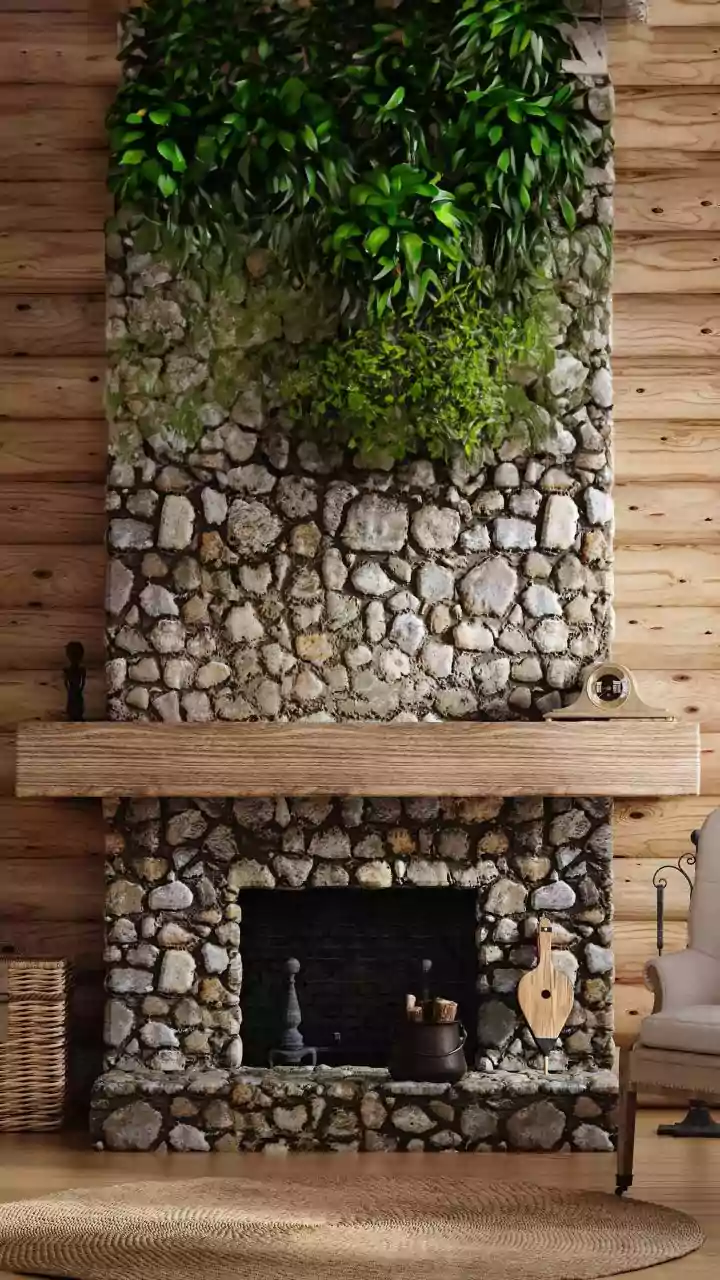

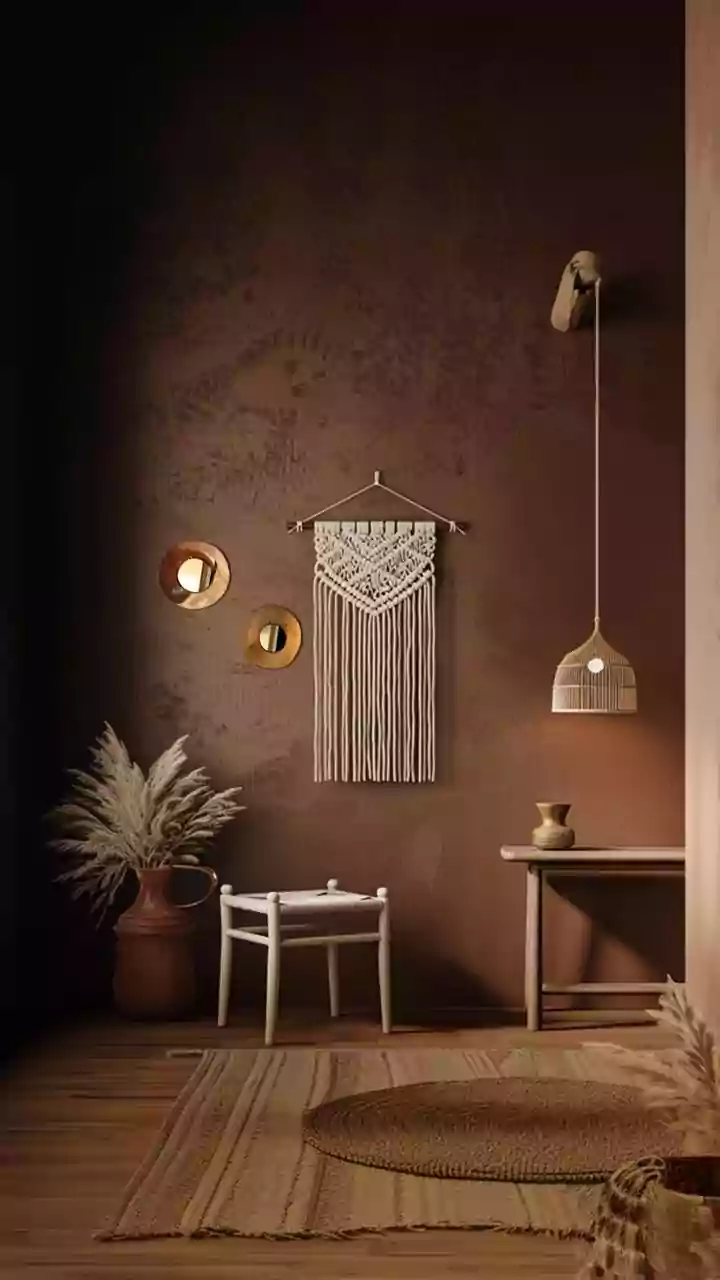



It Boosts Your Mental Well-Being
There’s a scientific reason why a walk in the woods feels so restorative, and the same principles apply to your home. This concept, known as biophilia, is the idea that humans have an innate tendency to seek connections with nature. A room filled with plastic
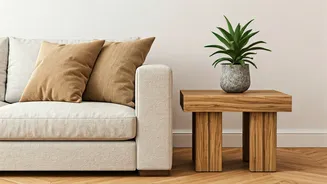
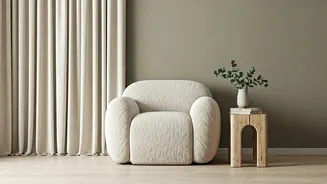
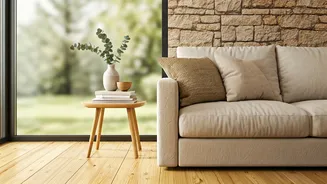
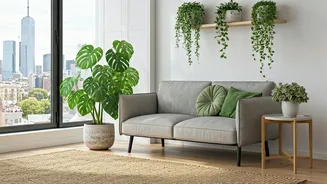
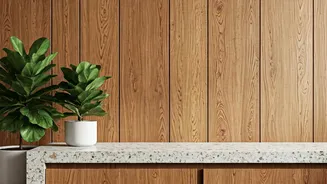
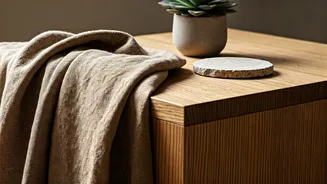
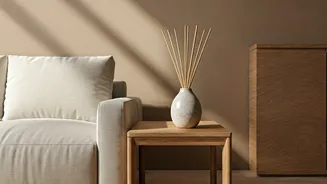
furniture, synthetic fabrics, and artificial lighting can subtly disconnect us from the natural world, contributing to feelings of stress and confinement. Conversely, incorporating natural elements—like a piece of wooden furniture, a collection of houseplants, or a wool rug—can lower blood pressure, reduce anxiety, and improve your overall mood. Your brain registers these organic textures, patterns, and materials as calming and safe, turning your living space into a genuine sanctuary from the chaos of the outside world.
It Embraces Timeless Style
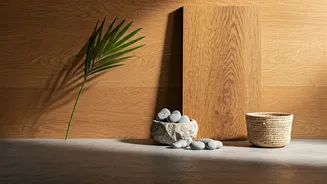
Remember the avocado-green appliances of the '70s or the shiny, lacquered furniture of the '80s? Trends driven by artificial materials often have a short, dramatic lifespan. What’s hot today can look dated and cheap tomorrow. Nature-inspired decor, on the other hand, is built on a foundation of timelessness. Materials like oak, walnut, stone, linen, and leather have been used in homes for centuries for a reason: they are enduringly beautiful. The grain of a wood table, the subtle texture of a linen curtain, or the cool surface of a marble countertop won’t go out of style. Investing in these elements means you’re creating a space that will feel relevant and sophisticated for years, if not decades, saving you the money and hassle of chasing fleeting fads.
It Values Authenticity Over Perfection
A 'plastic-perfect' room is often a sterile one, where every surface is glossy, uniform, and devoid of character. One scratch or scuff mark can feel like a catastrophe. Nature-inspired decor frees you from this tyranny of perfection. It celebrates the unique 'flaws' that make natural materials so special. The knot in a piece of wood, the slight color variation in a stone tile, or the natural slub of a cotton throw aren't defects; they are marks of authenticity. This approach, often associated with the Japanese concept of wabi-sabi, finds beauty in imperfection. A home that embraces these qualities feels more lived-in, welcoming, and personal. It tells a story of a real life being lived, rather than presenting a cold, untouchable showroom.
It Can Be More Sustainable
The term 'plastic-perfect' isn't just about aesthetics; it’s often literal. Many mass-produced furniture items and decor pieces rely heavily on petroleum-based plastics, resins, and volatile organic compounds (VOCs) that can off-gas into your home and contribute to environmental waste. While not all natural products are automatically sustainable, making conscious choices can significantly reduce your home's environmental footprint. Opting for reclaimed wood, bamboo (a fast-growing grass), cork, or vintage pieces is a powerful way to decorate responsibly. Natural fibers like organic cotton, linen, and wool are biodegradable and don't shed microplastics like their synthetic polyester or acrylic counterparts. It’s a way to create a healthy home for both you and the planet.
How to Easily Get Started
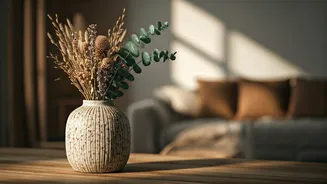
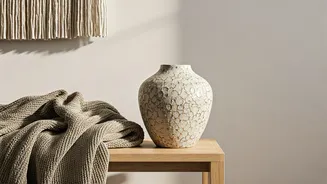
Shifting your home’s aesthetic doesn't require a complete overhaul. You can start small. Swap out a plastic storage bin for a woven seagrass basket. Add a few low-maintenance plants like a snake plant or pothos to a barren corner. Trade your polyester throw blanket for one made of cotton or wool. Next time you need a new piece of furniture, look for solid wood options, even on the secondhand market. Focus on texture: a simple ceramic vase, a wooden cutting board left out on the counter, or a set of linen napkins can instantly add a layer of natural warmth and break up the monotony of synthetic surfaces. The goal is progress, not immediate perfection.