





Getting Around Is a Breeze
One of the biggest anxieties for first-time visitors is navigation. In these three countries, that worry dissolves almost immediately upon arrival. The secret is the widespread adoption of ride-hailing apps, chiefly Grab, which is Southeast Asia’s answer
to Uber. From Bangkok’s bustling streets to the temple-lined roads of Siem Reap and the urban sprawl of Kuala Lumpur, you can summon a car or even a motorbike taxi with a few taps. Fares are fixed upfront, eliminating the need to haggle and removing any language barrier ambiguity. For longer distances, a robust network of budget airlines like AirAsia connects major hubs for as little as $30-$50, turning what could be a grueling overnight bus ride into a one-hour flight. This seamless blend of modern tech and traditional transport (you can often book a tuk-tuk through an app) means you spend less time stressing about logistics and more time soaking in the sights.
Your Dollar Unlocks Incredible Freedom
A trip feels truly effortless when financial stress isn't part of the equation. In Thailand, Malaysia, and Cambodia, the U.S. dollar stretches to an almost unbelievable degree. This isn’t just about being “cheap”; it’s about the freedom that comes with affordability. You can say “yes” more often. That second helping of street-vendor pad thai that costs a dollar? Go for it. A luxurious hour-long massage for under $10 in Thailand? A daily indulgence. A stunning hotel room with a rooftop pool in Kuala Lumpur for the price of a budget motel back home? It’s standard. This value proposition removes the constant mental calculus of travel spending. You can choose comfort and convenience without breaking the bank, whether that’s opting for a private car instead of a crowded bus or staying in a centrally located hotel that makes exploring on foot a joy. This financial ease is a core part of what makes a trip here feel like a true vacation.
The Language Barrier Is Smaller Than You Think
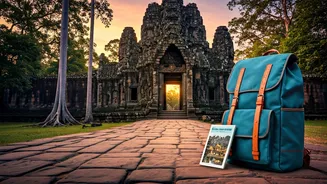
While learning a few words in Thai, Khmer, or Malay is a wonderful sign of respect, the fear of being unable to communicate shouldn't deter you. In the tourism ecosystem of these nations, English is the unofficial lingua franca. From hotel receptionists and airport staff to tour guides and servers in popular restaurants, you’ll find a high level of English proficiency. Menus are frequently translated, major signs are bilingual, and tour operators are well-versed in catering to an international crowd. This is especially true in major cities like Bangkok, tourist hubs like Cambodia's Siem Reap (the gateway to Angkor Wat), and the diverse metropolis of Kuala Lumpur. This widespread use of English provides a safety net that smooths over countless small interactions, from asking for directions to ordering a coffee, making the entire experience feel more accessible and less intimidating.
Connectivity and Visas Are Simple
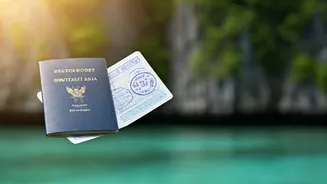
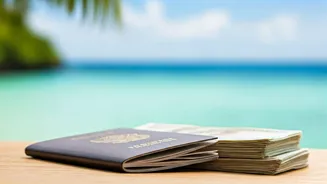
Two major pre-trip headaches—securing a visa and figuring out phone service—are virtually non-issues for American tourists here. All three countries offer visa-free entry or visa-on-arrival for U.S. passport holders for short tourist stays, which eliminates a huge bureaucratic hurdle. Instead of mailing your passport away weeks in advance, you simply get a stamp upon landing. Furthermore, staying connected is incredibly easy and cheap. Kiosks at the airport in Bangkok (BKK), Kuala Lumpur (KUL), and Siem Reap (REP) will sell you a tourist SIM card with a generous data package for around $10-$15. Installation takes minutes, and you’re instantly equipped with Google Maps, Grab, and translation apps. This simple, immediate connectivity makes you feel capable and independent from the moment you step off the plane.
A Culture of Welcoming Hospitality
Beyond the practicalities of infrastructure and affordability lies something less tangible but just as important: a deeply ingrained culture of hospitality. In Thailand, it’s embodied in the famous “Land of Smiles.” In Cambodia, the warmth and resilience of the Khmer people shine through, especially in the service industry. In Malaysia, a blend of Malay, Chinese, and Indian influences creates a fascinating and welcoming cultural tapestry. This isn't a transactional service culture; it often feels genuinely welcoming. This atmosphere helps travelers feel safe and comfortable, encouraging exploration and interaction. Whether it's a vendor showing you how to properly eat a local dish or a stranger helping you with directions, these small moments of human connection are what ultimately transform a well-planned trip into an effortless and unforgettable journey.