







From Pet Owner to Pet Parent
The cultural shift at the heart of this trend is simple but profound: many Americans, particularly millennials and Gen Z in urban centers, no longer see themselves as mere 'pet owners.' They are 'pet parents.' This isn't just a semantic change; it’s a complete
reframing of the human-animal bond. As these generations delay or opt out of traditional milestones like marriage and having children, pets have increasingly been elevated to the status of beloved, four-legged family members. They are no longer just animals that live in our homes; they are central figures in our emotional lives. This 'humanization' of pets is the primary engine driving the demand for services that mirror the care and attention we'd give a human child. If your toddler gets the best organic food and stimulating developmental activities, why shouldn’t your 'fur baby'?
The Rise of the Bark-geoisie
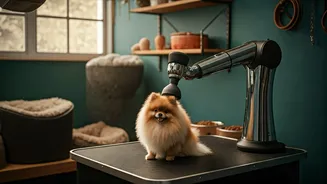
So, what does this premium care actually look like? Forget a simple bowl of kibble and a walk around the block. Today’s market is a smorgasbord of luxury. We're talking subscription boxes delivering pre-portioned, human-grade meals tailored to a pet’s specific dietary needs. Doggy daycares have evolved into enrichment centers with curated playgroups, nap times on orthopedic beds, and live-streaming webcams so anxious parents can check in from their office desks. The wellness sector has exploded, offering everything from canine acupuncture and chiropractic adjustments to behavioral therapists who help dogs cope with separation anxiety. There are even pet-specific food trucks, 'bark-cuterie' boards at wineries, and professional photographers specializing in capturing Fido’s best angle for the perfect Instagram post. These services aren't just about utility; they are about providing an enriched lifestyle.
An Economic Powerhouse on Four Legs
This movement is fueling a massive economic boom. The American Pet Products Association reports that Americans spent over $136 billion on their pets in 2022, a figure that continues to climb. The 'premium' segment of this market is growing at an even faster rate. Venture capitalists and entrepreneurs have taken note, pouring money into startups that cater to this new breed of discerning pet parent. From tech-infused gadgets like GPS collars and automated feeders to boutique chains offering spa services, the pet care industry is no longer just a collection of mom-and-pop shops. It's a sophisticated, high-growth sector that reflects broader consumer trends toward wellness, personalization, and experience-based spending.
What It Says About Us
On one level, the trend is a heartwarming display of love. People adore their pets and want to provide them with the best possible life. In busy, often isolating urban environments, the unconditional love of a pet is a powerful anchor, and splurging on them is an expression of gratitude and affection. But there's another layer. For some, premium pet care can be a form of social signaling, much like driving a certain car or wearing a designer watch. It’s a way to project an image of being a nurturing, successful, and conscientious person. It can also be a way to assuage the guilt of long work hours. If you have to leave your dog alone for ten hours, sending him to a high-end daycare with a pool and a personal trainer can feel less like an indulgence and more like a necessity for responsible parenthood.