


More Than Just a Rainy Day
In the United States, we think of a monsoon as a heavy rainstorm. In India, it’s an entire season. From roughly June to September, the southwest monsoon winds bring massive, sustained rainfall that is both a lifeblood for agriculture and a formidable
force of nature. This isn't a series of passing thunderstorms; it's a months-long climatic phenomenon that drenches the subcontinent, replenishing rivers and reservoirs. For the state of Maharashtra, one of India's most populous and economically vital regions, the monsoon is an annual cycle of renewal and disruption. It transforms the landscape into a vibrant green but also brings significant challenges to infrastructure and daily life, particularly for those unfamiliar with its power.
Maharashtra's Specific Risks
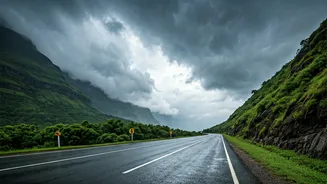
Maharashtra’s geography makes it uniquely vulnerable during the monsoon. Its capital, Mumbai, is a low-lying coastal megacity whose aging drainage systems are quickly overwhelmed by intense rainfall, leading to widespread urban flooding. Streets can turn into rivers within hours, halting traffic and train services, which are the city's lifelines. Beyond Mumbai, the Western Ghats—a mountain range that runs parallel to the coast—become prone to dangerous landslides. Hill stations like Lonavala and Mahabaleshwar, popular weekend getaways, can become inaccessible or hazardous as saturated soil gives way. This combination of coastal flooding and mountainous instability means that travel throughout the state, whether by air, rail, or road, can become unpredictable and at times perilous.
Navigating the Travel Headaches
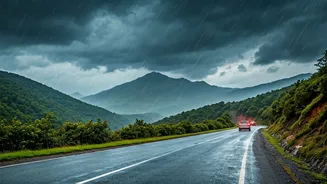
For travelers, the monsoon’s impact is immediate and practical. Flights are frequently delayed, diverted, or canceled due to low visibility and waterlogged runways. The extensive Indian Railways network often sees delays or route suspensions because of flooded tracks or landslides. Road travel is arguably the most affected; highways can be gridlocked for hours due to flooding, and rural roads might be completely washed out. Getting a taxi or rideshare becomes a frustrating, expensive endeavor. Beyond logistical snags, there are health concerns. Standing water can increase the risk of mosquito-borne illnesses like dengue and malaria, as well as waterborne diseases. Power outages are also common, adding another layer of inconvenience.
Essential Tips for Safe Travel
If your travel to Maharashtra during the monsoon is unavoidable, preparation is key. First, monitor the forecasts from the India Meteorological Department (IMD) for alerts on heavy rainfall and cyclones. Pack smart: include waterproof outerwear, quick-dry clothing, and sturdy, water-resistant footwear. An umbrella is a given, but a good rain jacket is more practical in windy conditions. Carry a waterproof bag for electronics and important documents. Most importantly, build significant buffer time into your itinerary. A journey that might take an hour in the dry season could take four in the rain. Avoid wading through floodwaters, which can hide open manholes and carry disease. Keep a portable power bank, a small first-aid kit, and insect repellent handy at all times. Finally, be flexible—your carefully planned schedule may need to change at a moment's notice.
The Reward: A Different Kind of Beauty
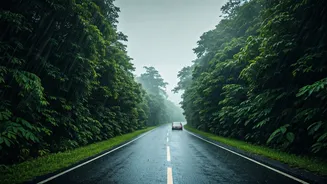
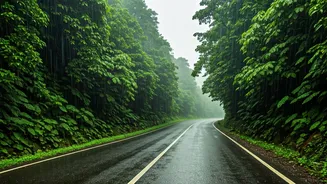
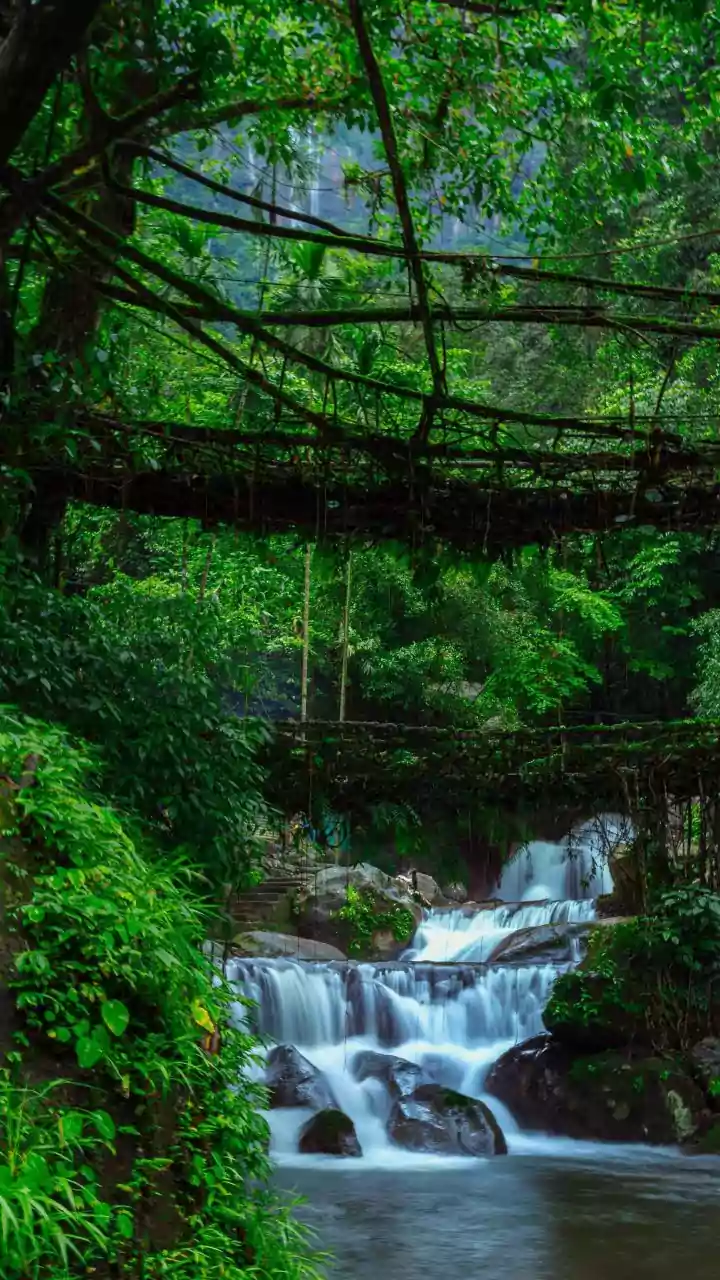
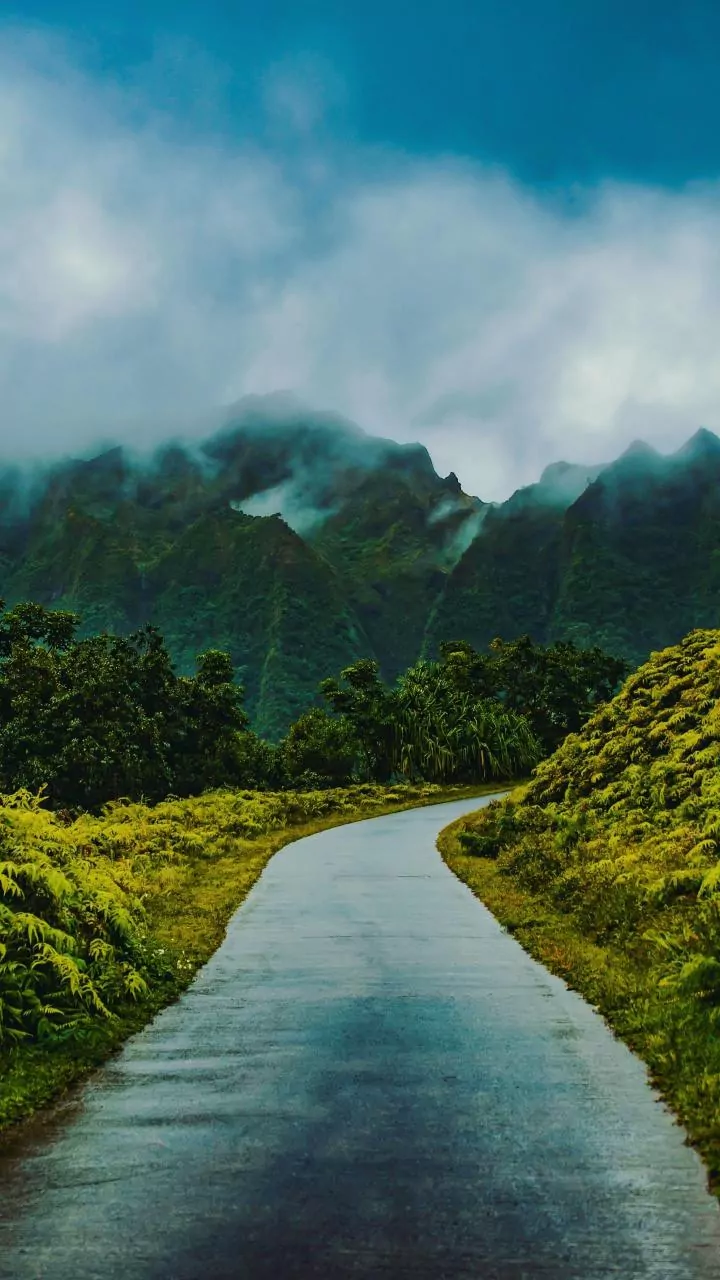
Despite the warnings, the monsoon isn't solely a period of difficulty. For those prepared for it, the season reveals a different side of India. The countryside explodes into a brilliant, almost surreal green. Waterfalls that are dry for most of the year roar back to life, and the scorching summer heat finally breaks. The air is fresh and clean after a downpour. Many locals celebrate the arrival of the rains, and there's a unique, cozy atmosphere to be found in a cafe while watching the storm outside. Traveling during this time offers a glimpse into a crucial aspect of Indian life and a chance to see the landscape at its most dramatic and lush. The key is approaching it with caution, respect, and a willingness to adapt.