




Beyond the Calorie Count
For decades, mainstream wellness focused on a simple formula: calories in, calories out. But for a tech-native generation, that’s ancient history. The new frontier is metabolic health—a real-time understanding of how your body converts food into energy.
The key metric? Blood glucose. Instead of just counting calories, this approach focuses on how different foods affect blood sugar levels. A sharp spike and subsequent crash after a meal can lead to lethargy, brain fog, and cravings. By monitoring these fluctuations, users aim to stabilize their energy throughout the day, making more informed choices about what, when, and how they eat.
The New Wearable Toolkit
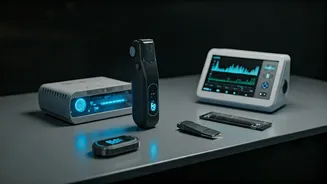
The primary tool driving this trend is the continuous glucose monitor (CGM). Once reserved for people with diabetes, CGMs are now being marketed to the general wellness crowd by companies like Levels, Nutrisense, and Signos. These devices use a tiny sensor, typically worn on the back of the arm, to measure glucose levels in the interstitial fluid 24/7. The data is beamed to a smartphone app, which visualizes the body’s response to meals, exercise, stress, and sleep. This is often paired with other wearables, like an Oura Ring or WHOOP strap, which track sleep quality, heart rate variability, and activity. Together, they create a comprehensive dashboard of one’s personal biology, turning abstract feelings like “tired” into actionable data points.
From Data to Daily Habits
Having the data is one thing; using it is another. For Gen Z adopters, these insights become a guide for daily experimentation. For example, if a morning bowl of oatmeal causes a dramatic glucose spike, a user might learn to add protein and fat—like nuts or Greek yogurt—to blunt the response. They might discover that a post-meal walk significantly lowers their blood sugar, making it a non-negotiable part of their routine. The goal is to identify personal patterns. Maybe a certain type of pasta is fine, but white rice sends their energy plummeting. This turns eating from a game of guesswork into a personalized science experiment, with stable energy as the prize. It’s less about restriction and more about strategic additions and timing.
The Drive for Optimization
So, why is this catching on with the under-30 crowd? It perfectly aligns with a generational ethos that values data, personalization, and proactive control. Having grown up with apps for everything, Gen Z is comfortable outsourcing complex problems to technology. Rather than waiting for health issues to arise, they’re using these tools to optimize their present state, striving for peak cognitive function for work or school and sustained physical energy for workouts and social lives. This isn't just about avoiding a 3 p.m. slump; for many, it's about building a foundation for long-term health and preventing the chronic metabolic conditions that affect older generations.
A Trend with Caveats
While intriguing, this bio-hacking movement isn't without its critics or barriers. First, it’s expensive. A subscription to a service that includes CGMs and analysis can cost several hundred dollars a month, making it inaccessible to most. Second, some health professionals warn that constant self-monitoring can foster health anxiety or even disordered eating behaviors, a condition sometimes called orthorexia, where an obsession with “healthy” eating becomes detrimental. For most healthy individuals without metabolic disease, a balanced diet and regular exercise provide the same benefits without the need for constant data tracking. The technology offers a fascinating window into the body, but it’s not a magic bullet for wellness.