

Welcome to Ticino: The Italian Soul
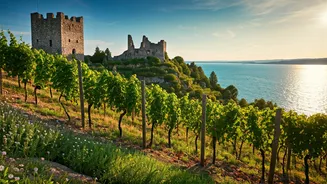
Tucked away in the country's sunny south, bordering Italy, is the canton of Ticino. This is Switzerland’s Italian-speaking heart, and the moment you arrive—whether by a scenic train ride from Zurich or a short drive from Milan—the cultural shift is immediate.
German and French give way to the melodic sounds of Italian. The architecture softens, with pastel-colored buildings and stone-paved piazzas replacing the more austere styles of the north. This isn't just a geographical quirk; it’s a complete change in atmosphere. Ticino blends Swiss precision and pristine infrastructure with the laid-back, life-is-for-living ethos of its southern neighbor. The result is a travel destination that feels like two countries in one: impeccably clean, safe, and efficient, yet infused with the warmth and culinary passion of 'la dolce vita'.
Lugano: Where Finance Meets Flair
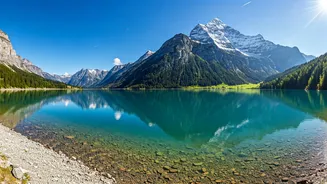
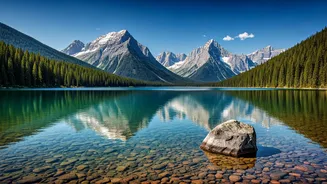
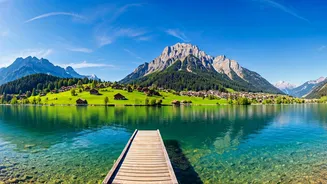
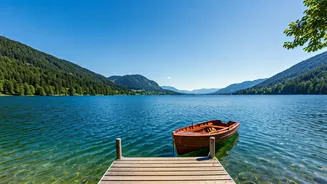
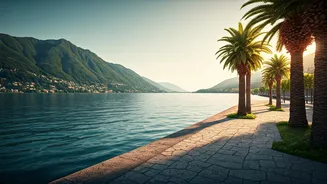
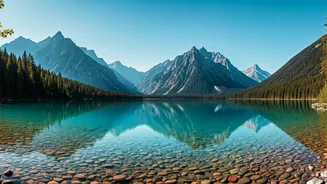
The region's largest city, Lugano, sits on the glistening shores of its namesake lake, framed by lush mountains. It’s often called the “Monte Carlo of Switzerland,” and it’s easy to see why. The city is a hub for finance, but its lakeside promenade, lined with manicured flower beds and commissioned sculptures, feels more like the French Riviera. Chic locals and visitors stroll along the water, pausing for an espresso or an aperitivo at a waterfront café. The city center is a maze of cobblestone streets where luxury boutiques on Via Nassa sit alongside traditional grocers selling local cheese and salami. For the best views, take a funicular up Monte San Salvatore or Monte Brè. From the top, the panoramic vista of the cerulean lake, the terracotta roofs of the city, and the distant, jagged peaks of the Alps confirms you're in a place that truly defies stereotypes.
Locarno & Ascona: Culture and Lakeside Charm
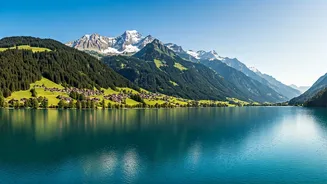
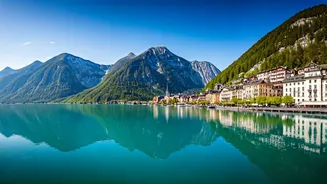
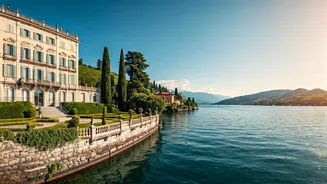
A short train or ferry ride away lies Lake Maggiore, home to two of Ticino’s other gems. Locarno is famous for its Piazza Grande, one of Europe’s most beautiful squares, which transforms into a massive open-air cinema each August for the prestigious Locarno Film Festival. The city feels grand yet approachable, with a medieval castle and a tranquil lakeside walk. Just next door is Ascona, a former fishing village that became a haven for artists, intellectuals, and bohemians in the early 20th century. That free-spirited vibe remains. Its lakefront is a car-free cascade of brightly colored buildings housing art galleries, antique shops, and wonderful restaurants with terraces that extend over the water. Ascona is smaller, quieter, and arguably more romantic than Lugano, making it the perfect spot for a leisurely lunch and a slow afternoon of exploration.
Living the 'Dolce Vita', Swiss-Style
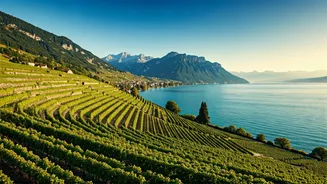
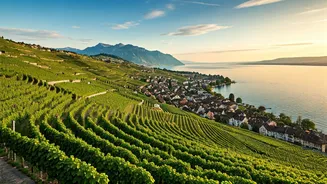
The 'Riviera' feel is about more than just scenery; it’s a lifestyle. Days in Ticino are best spent outdoors. In the summer, locals flock to 'lidos'—elegant lakeside swimming clubs with beaches, pools, and restaurants. Boating is a way of life, with ferries constantly zipping between lakeside villages. The food is a major part of the experience, a distinct regional cuisine known as 'cucina ticinese'. Forget fondue and rosti; here, the signature dishes are creamy risotto, hearty polenta served with braised meats, and fresh lake fish. The region is also known for its Merlot wine, which you’ll find on every menu. The daily rhythm is distinctly Mediterranean, culminating in the evening 'aperitivo,' where bars and piazzas fill with people enjoying a Campari spritz and small bites before dinner.
When to Go and How to Get There
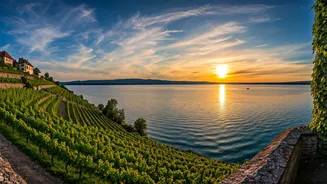
To get the full Riviera experience, the best time to visit Ticino is from April to October. Spring brings blooming camellias and magnolias, while the summer is perfect for swimming and sunbathing. Autumn offers pleasant weather, wine harvests, and beautiful foliage. While it rarely sees the heavy snow of the Alps, winter can be cool and rainy, with many attractions operating on reduced schedules. Reaching Ticino is remarkably easy. A direct train from Zurich takes you through the Gotthard Base Tunnel—the world's longest railway tunnel—in about two hours, emerging from the darkness of the Alps into the sun-drenched south. Alternatively, Ticino is just an hour's drive or train ride from Milan, making it an easy addition to an Italian vacation.