

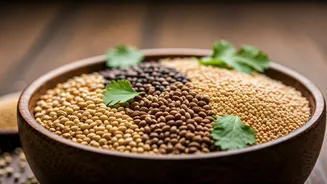
The Foundation: Legumes and Lentils
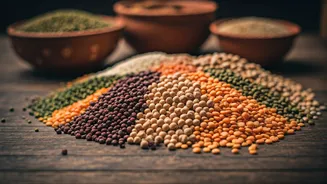
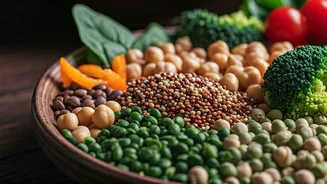
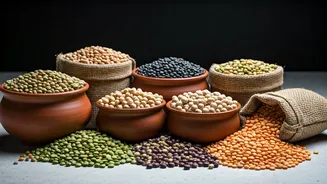
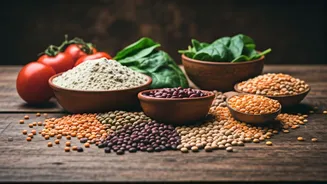
When many Americans think of Indian food, they might picture creamy sauces or tandoori chicken. But for hundreds of millions of people in India, the daily foundation of a meal is dal. This simple term covers a vast world of split legumes—lentils, peas,
and beans—that are simmered into soupy, savory, and incredibly satisfying dishes. A bowl of dal, whether it’s made from yellow lentils (moong dal) or red lentils (masoor dal), is packed with both protein and dietary fiber. Fiber is crucial for digestive health, blood sugar regulation, and feeling full and satisfied after a meal. Beyond dal, legendary dishes like chana masala (chickpeas in a spiced tomato gravy) and rajma (kidney beans) are not side dishes but stars of the show, delivering a hefty dose of fiber in every single bite. In a traditional Indian meal, these aren't an afterthought; they are the main event.
Beyond White Rice: A World of Whole Grains
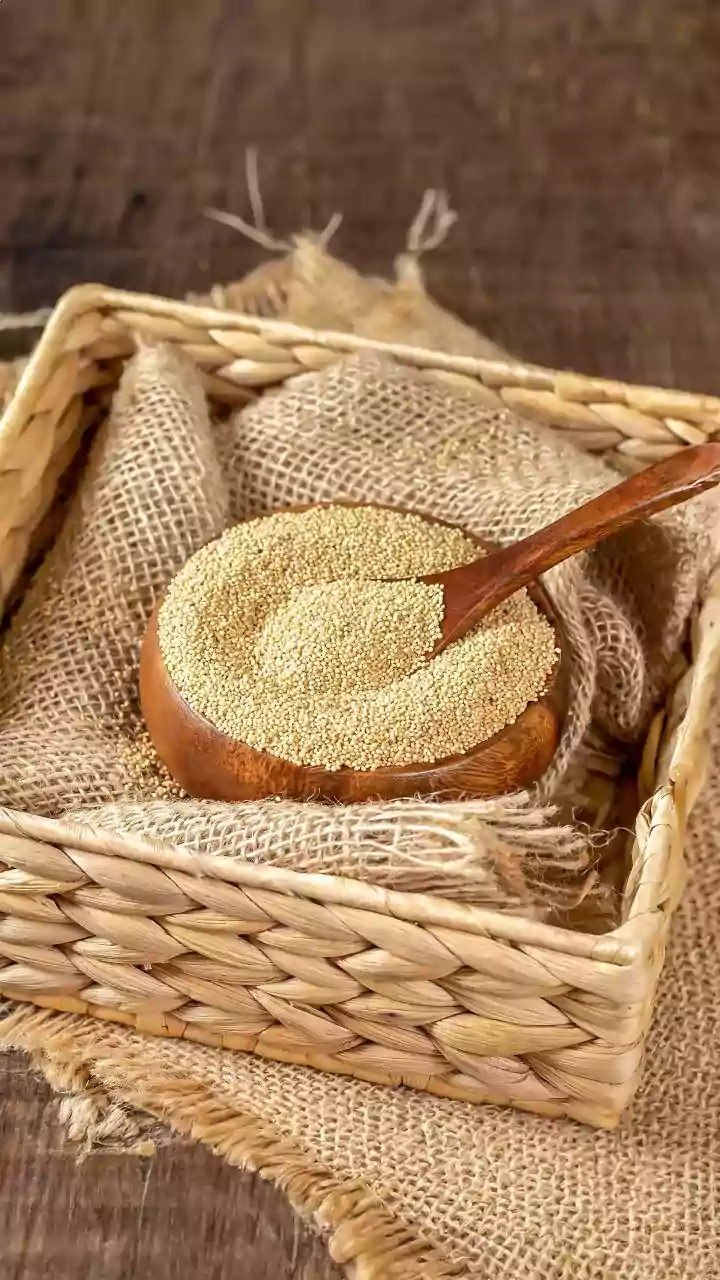
While fluffy basmati rice and buttery naan bread are staples at Indian restaurants in the U.S., they don't tell the whole story of grains on the subcontinent. The everyday bread in most North Indian homes is roti or chapati, a simple flatbread made from whole wheat flour, known as ‘atta.’ This flour uses the entire wheat berry, retaining all its natural fiber and nutrients, unlike its refined white counterpart. A single roti can contain 2-3 grams of fiber. Venture beyond wheat, and you’ll find a treasure trove of ancient grains that are making a comeback for their health benefits. Millets like jowar (sorghum) and bajra (pearl millet) are gluten-free, high-fiber powerhouses that are used to make flatbreads (bhakri) or porridges. By prioritizing these whole grains over refined ones, the Indian kitchen naturally boosts its fiber content without sacrificing taste or tradition.
Vegetables as the Main Attraction
In many Western meals, vegetables are a dutiful sidekick to a large piece of protein. In Indian cooking, they often get top billing. A huge portion of the Indian population is vegetarian, and the cuisine reflects this with an incredible variety of vegetable-centric dishes known as ‘sabzis.’ A sabzi can be anything from spiced okra (bhindi masala) and roasted eggplant (baingan bharta) to a simple, sublime stir-fry of cabbage and peas. Vegetables aren't just steamed or boiled; they're integrated into the heart of the meal, cooked with spices that make them complex and deeply flavorful. This approach means you’re not just getting a small serving of greens; you’re often eating a main dish where fiber-rich vegetables like cauliflower, spinach, gourds, and green beans are the primary ingredient. It’s a delicious and effective way to ensure you’re hitting your daily fiber goals.
Flavor That Encourages Healthy Eating
Perhaps the secret weapon of the Indian kitchen is its masterful use of spices. Aromatic ingredients like turmeric, cumin, coriander, and ginger do more than just add incredible flavor—they make high-fiber foods exciting. Let’s be honest: a plain bowl of boiled lentils is healthy, but it’s not something most people crave. But a bowl of dal tadka, sizzling with tempered spices and garlic, is another story entirely. Spices transform humble vegetables and legumes into culinary masterpieces. This flavor-first approach is key. It makes eating a fiber-rich diet not a chore, but a joy. When healthy food is also crave-worthy, it becomes a sustainable part of your life, not a temporary diet you have to endure. The Indian spice palette is the ultimate tool for making nutritious food irresistibly delicious.