




Ditch the 'Magic Bullet' Mindset
Let's get this out of the way: no single supplement, juice cleanse, or trendy powder can 'boost' your immune system into an invincible fortress overnight. The wellness market is flooded with products promising instant immunity, but our body's defense
network is far too complex for such a simple fix. Think of your immune system not as a light switch to be flipped on, but as a garden to be tended. It thrives on steady, consistent care. While certain vitamins and minerals like Vitamin C, Vitamin D, and Zinc are crucial for immune cell function, they work best when obtained from a balanced diet or used to correct a genuine deficiency—not as a panic-driven response to an impending vacation or a coworker's sniffles. True resilience is built daily, not bought in a bottle.
The Hydration Foundation
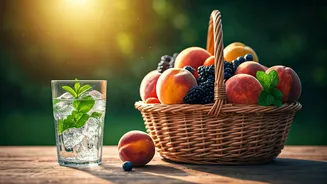
It’s the simplest advice, yet it's the one we most often neglect, especially during busy summer days. Water is fundamental to your body's defenses. Your blood, which carries important immune cells, is largely water. More importantly, water is essential for your lymphatic system, a network of tissues and organs that helps rid the body of toxins and waste. Proper hydration also keeps the mucous membranes in your nose and throat moist and healthy, forming a more effective physical barrier against inhaled pathogens. When you're dehydrated, this first line of defense can become dry and compromised. Aim for consistent sipping throughout the day, not just chugging a bottle when you feel parched. And remember, caffeinated and sugary drinks can be dehydrating, so pure water, herbal tea, or infused water are your best bets.
Sleep: Your Nightly Immune Reset
Summer's late sunsets and early sunrises can wreak havoc on our sleep schedules. But skimping on rest is one of the fastest ways to weaken your defenses. During sleep, your body performs critical maintenance, including the production and release of cytokines, a type of protein that targets infection and inflammation. Chronic sleep deprivation can decrease the production of these protective proteins, as well as T-cells, which are vital for fighting off intracellular pathogens. The goal isn't just the number of hours, but the consistency of your sleep-wake cycle. As much as possible, try to go to bed and wake up around the same time each day, even on weekends. This helps regulate your body's internal clock, or circadian rhythm, which plays a surprisingly large role in orchestrating immune responses.
Fuel Your Defenses, Not Just Your Fun
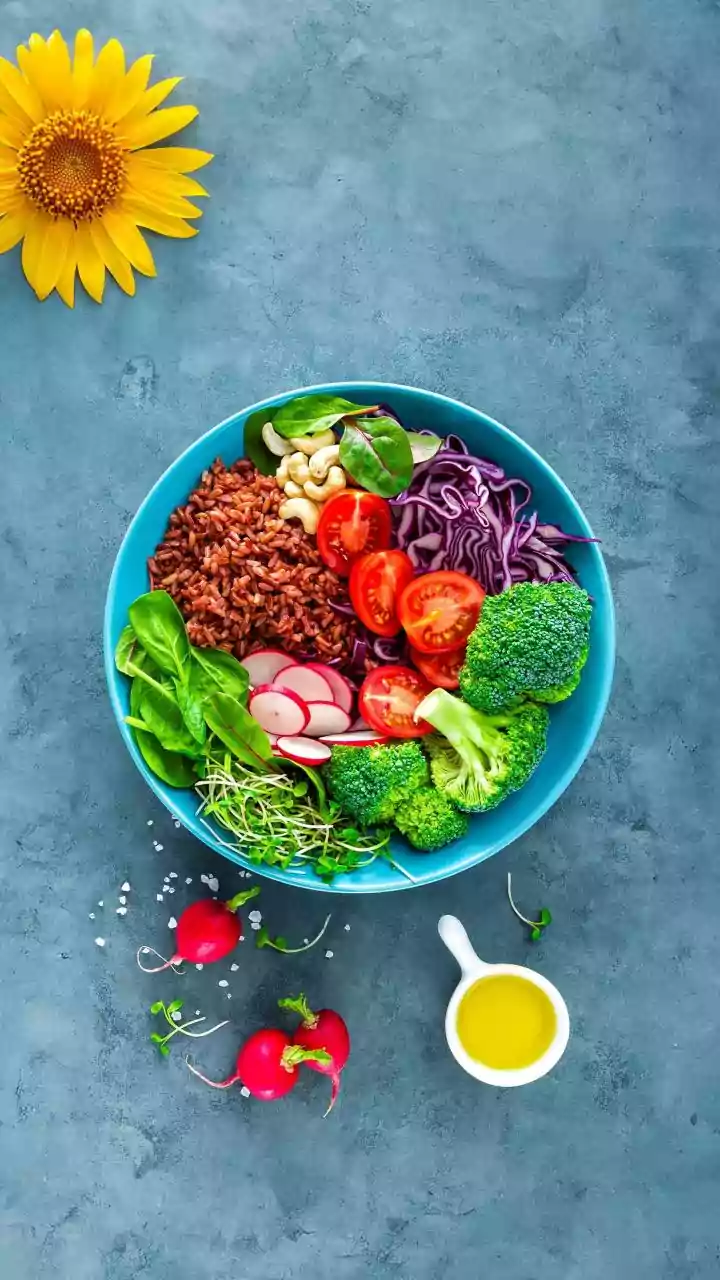
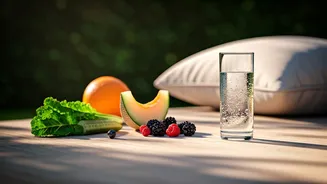
Summer barbecues and patio cocktails are seasonal joys, but a diet high in processed foods, sugar, and alcohol can place a strain on your immune system. These foods can promote inflammation and may negatively alter the composition of your gut microbiome—home to roughly 70% of your immune system. Instead of focusing on restriction, focus on addition. Summer is the perfect time to load up on a rainbow of fresh produce. Berries, leafy greens, bell peppers, and watermelon are packed with the antioxidants and vitamins your immune cells need to function optimally. Colorful plant foods provide polyphenols that help support a healthy gut. Think about grilling some colorful veggie skewers alongside your burger or adding a big, fresh salad to your plate at every meal.
Move for Resilience, Not Just Aesthetics
Regular, moderate exercise is a powerful tool for immune health. Physical activity can improve the circulation of immune cells, allowing them to move through your body more efficiently and do their job of finding and destroying pathogens. It can also help reduce inflammation and mitigate the negative effects of stress. The key word here is 'moderate.' Think brisk walking, jogging, cycling, or swimming for 30-45 minutes most days of the week. Be cautious of overtraining; pushing your body to its absolute limit day after day without adequate rest can have the opposite effect, suppressing immune function and leaving you more vulnerable. The goal is consistent, enjoyable movement that makes you feel energized, not exhausted.