

Welcome to the 'Scotland of India'
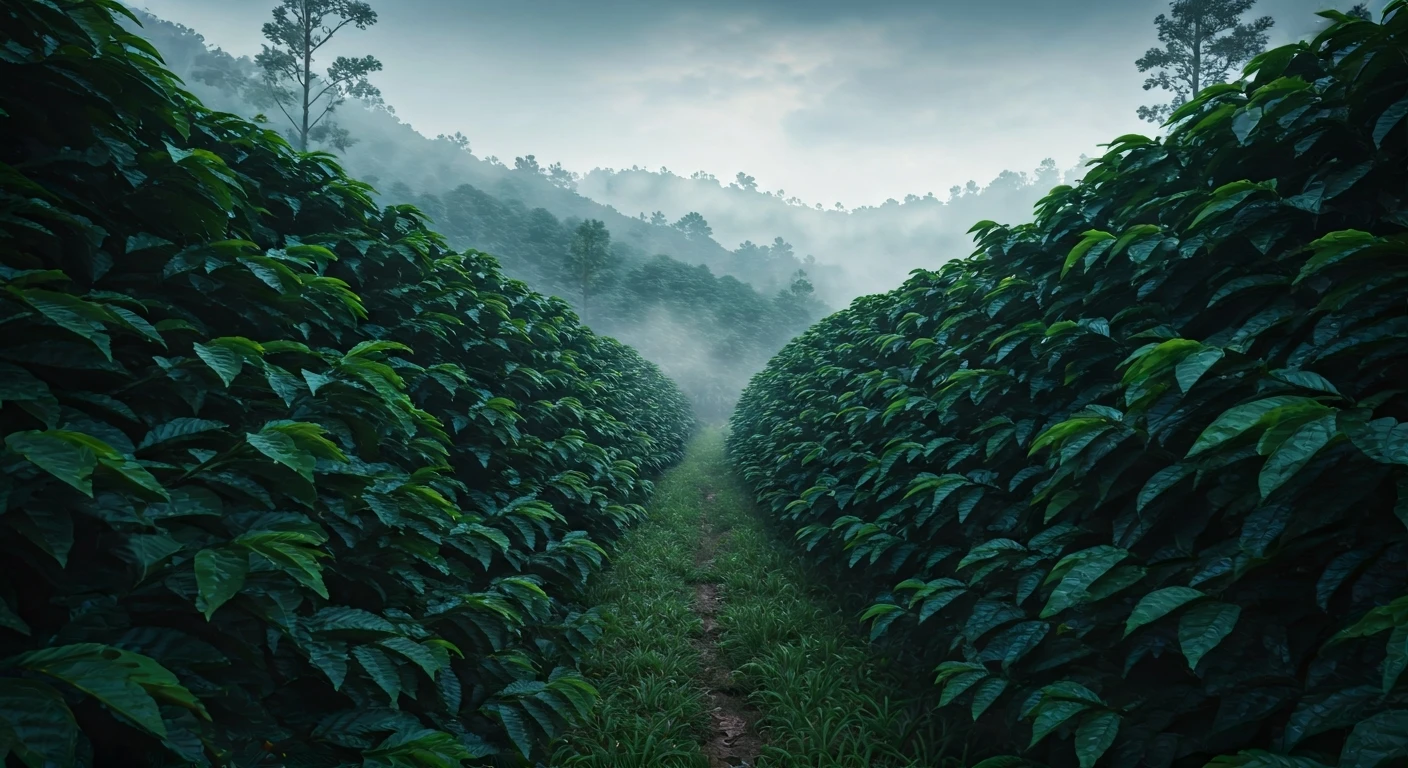
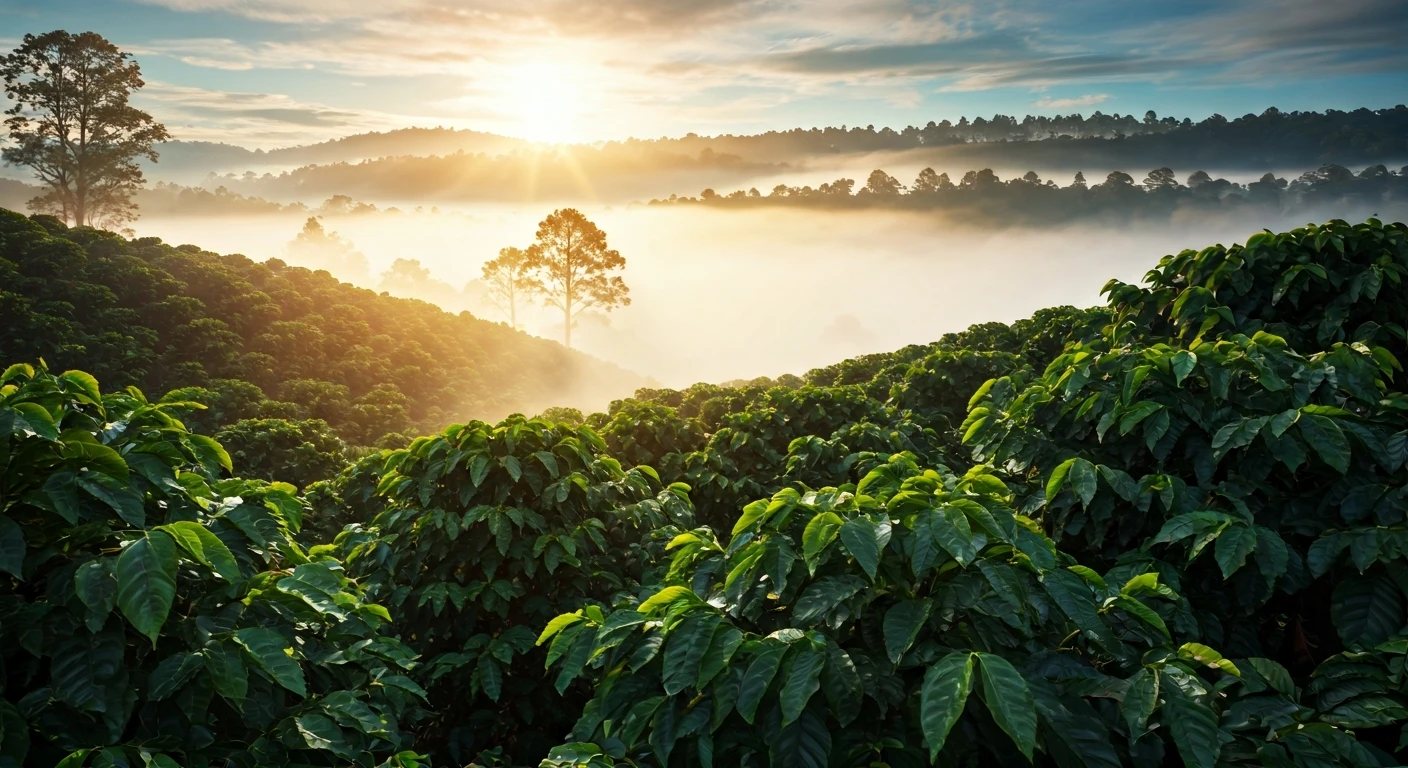
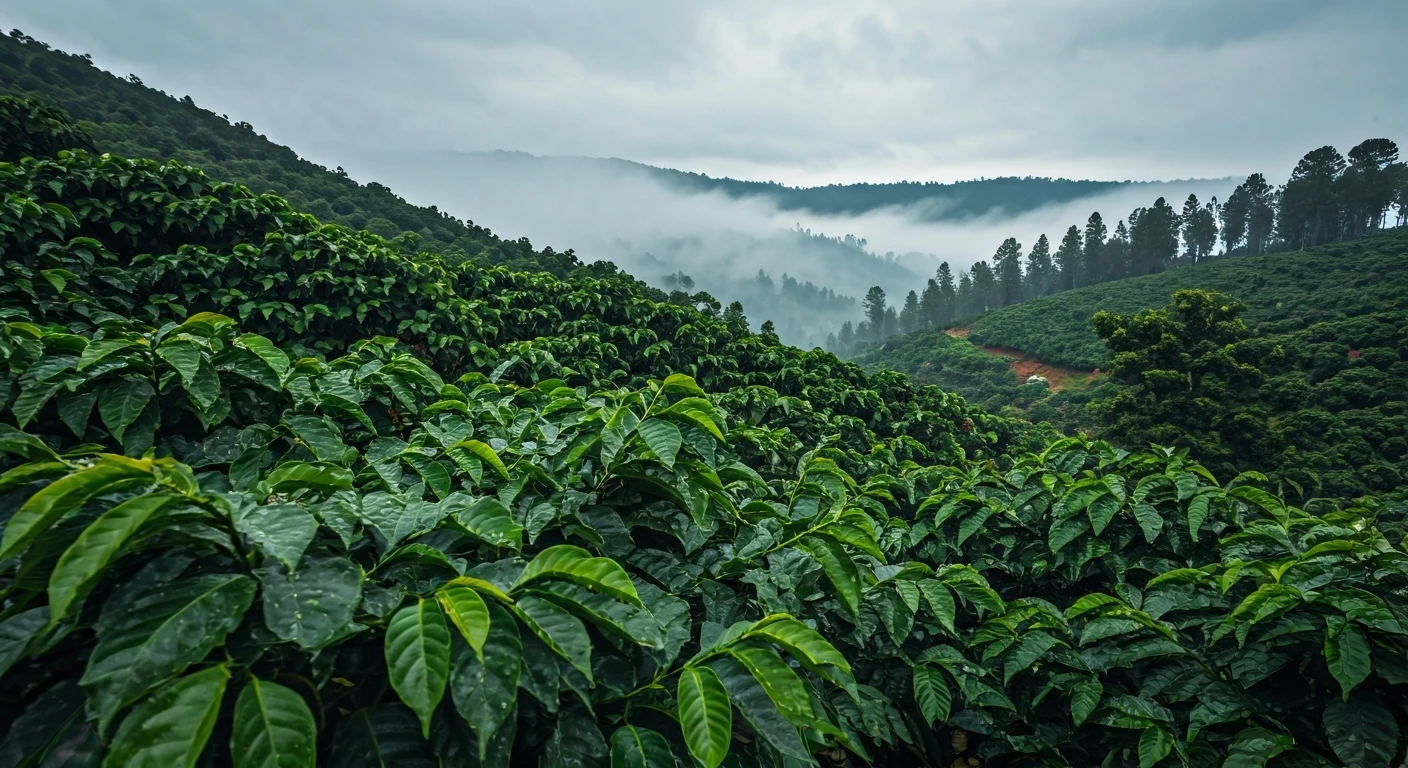
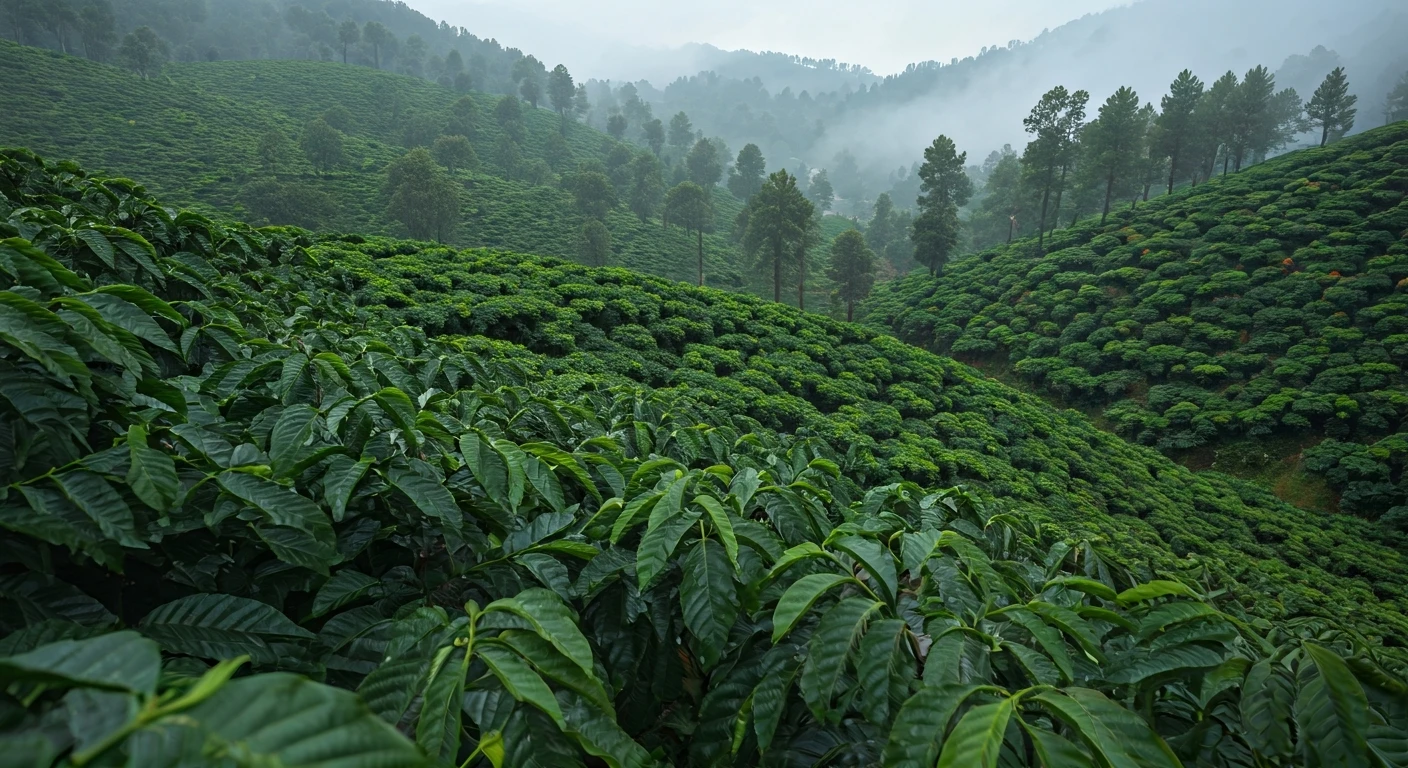
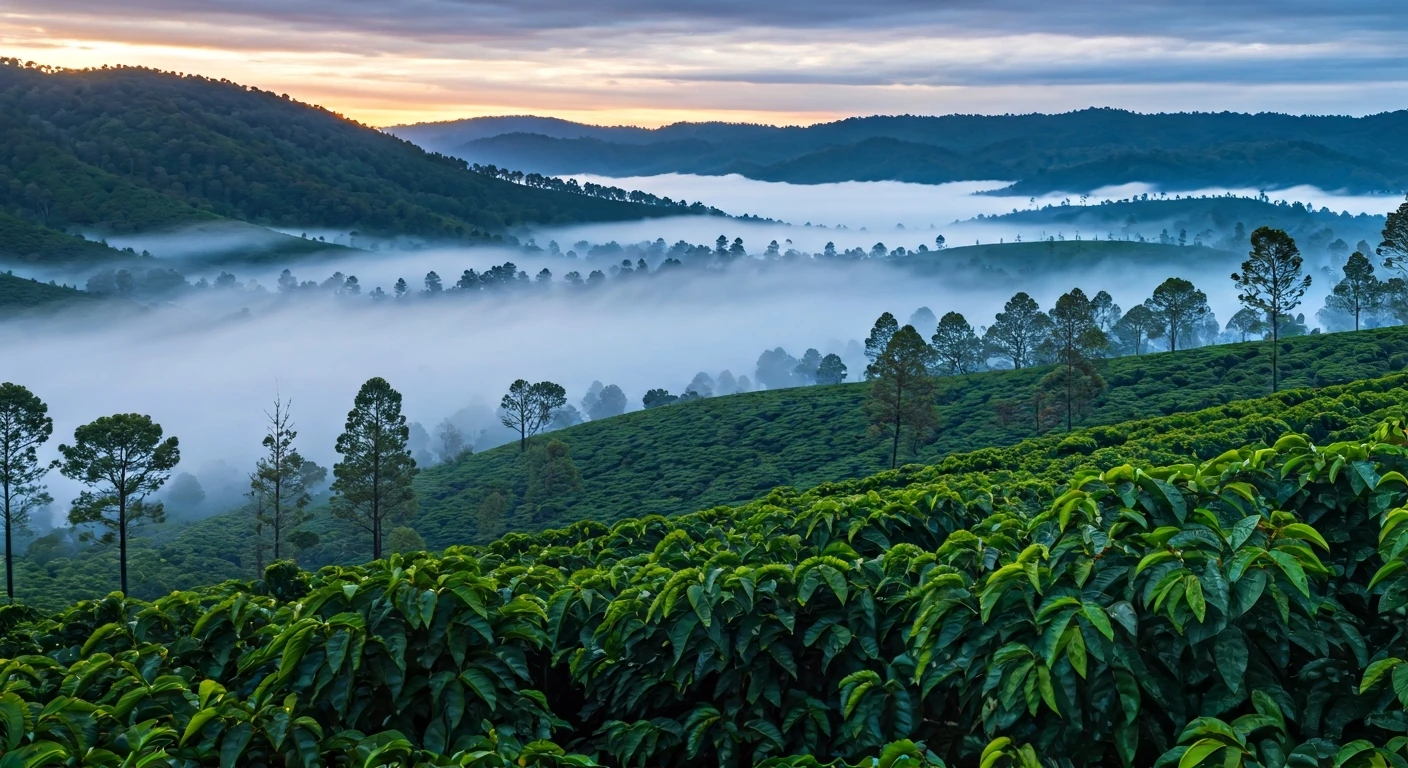
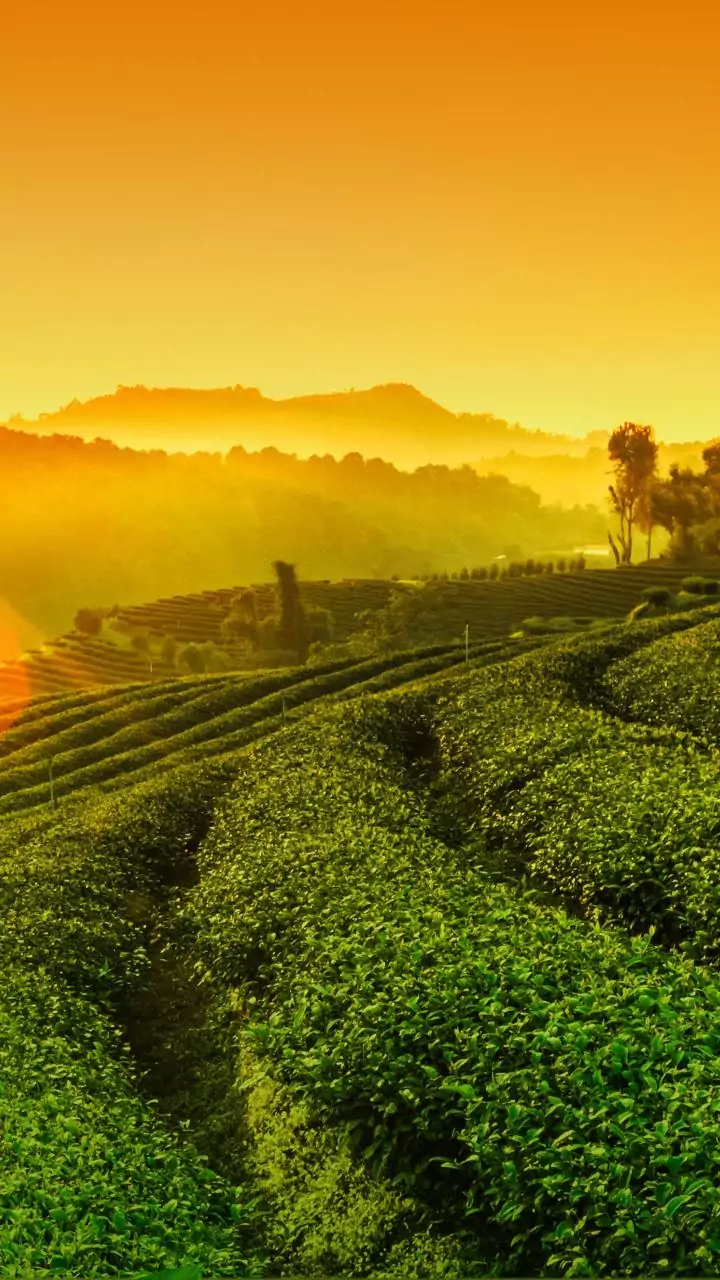
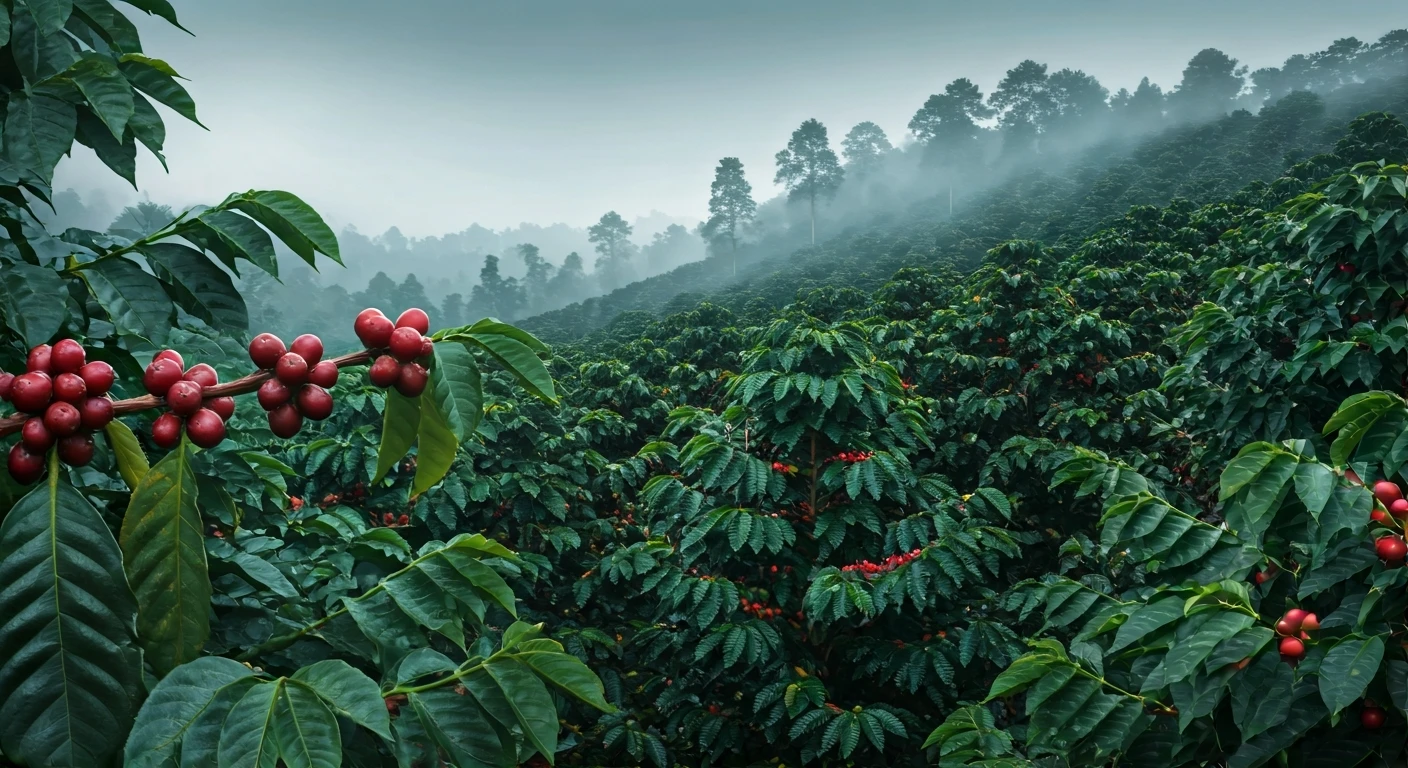
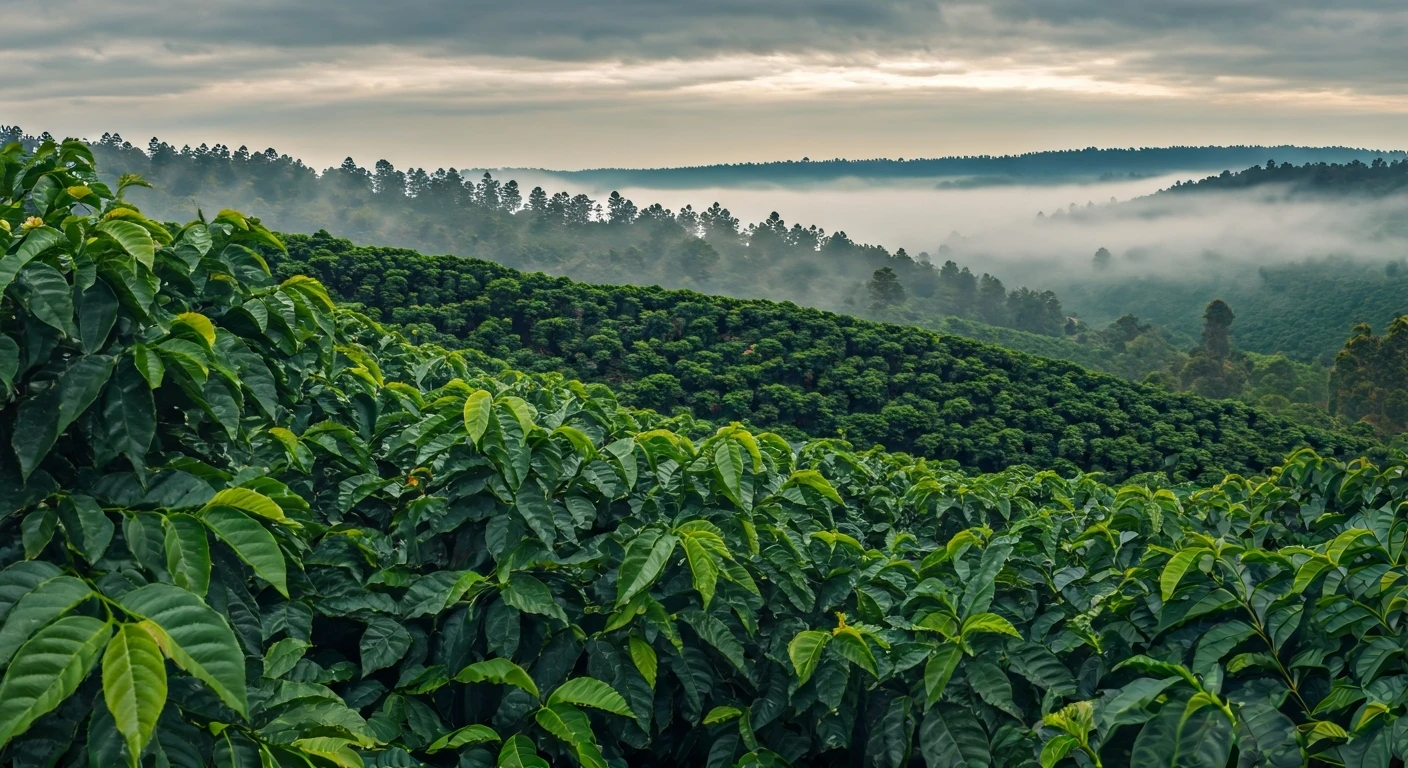
Nestled in the Western Ghats mountain range in the southern state of Karnataka, the region of Kodagu, more popularly known as Coorg, has long been nicknamed the “Scotland of India.” The comparison is easy to grasp: rolling hills shrouded in persistent
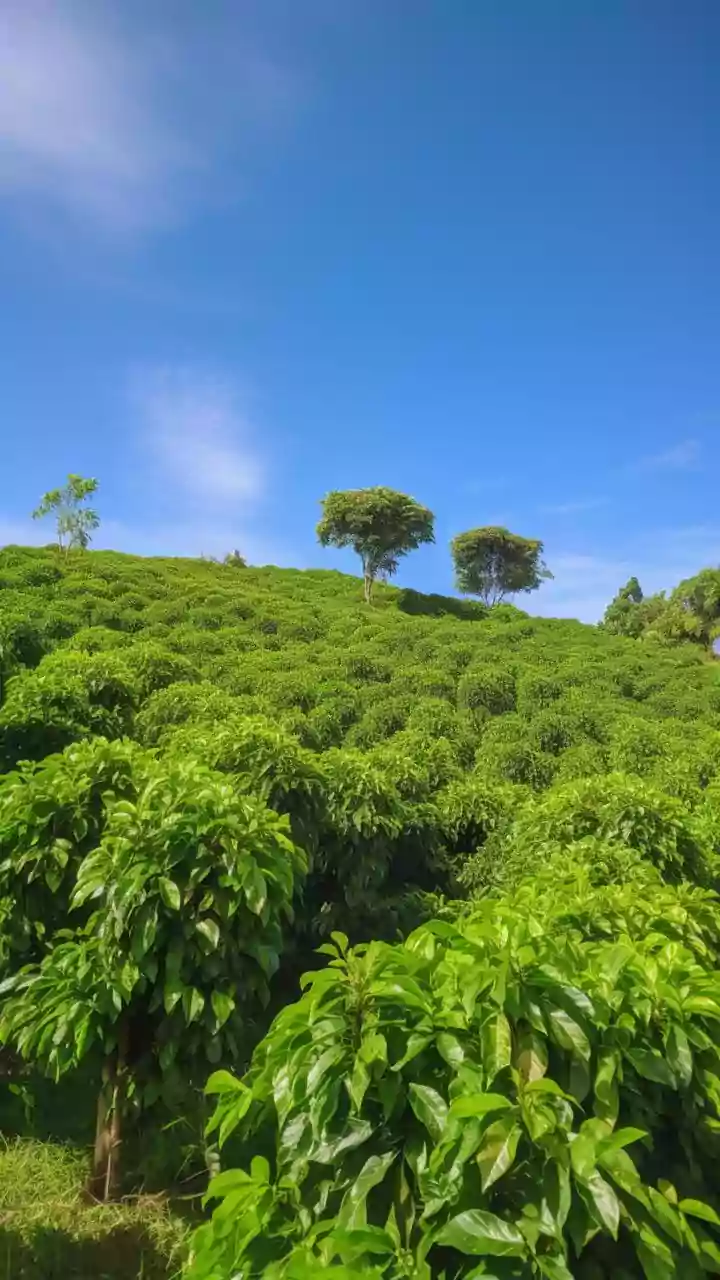
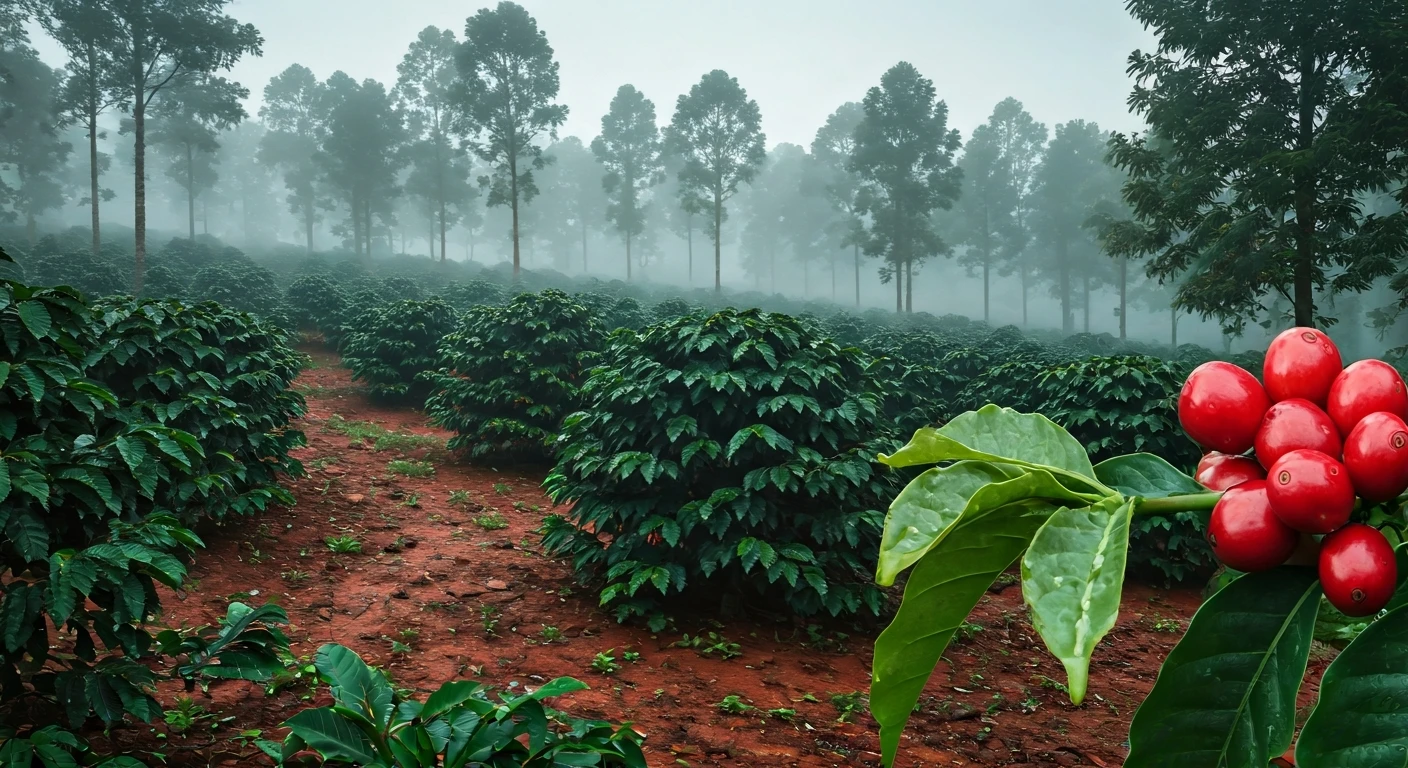
mist, a cool and damp climate, and a ruggedly beautiful landscape that feels a world away from the tropical heat of the lowlands. But instead of moors and lochs, Coorg is a verdant tapestry of coffee plantations, spice gardens, and dense forests. For an American traveler, the landscape might feel like a blend of Costa Rican coffee country and the misty mountains of the Pacific Northwest, yet it remains distinctly Indian. It’s a region defined by its agricultural heartbeat, where the rhythm of life is tied to the cultivation of high-quality arabica and robusta coffee beans, as well as cardamom, black pepper, and vanilla.
The Allure of the Plantation Stay
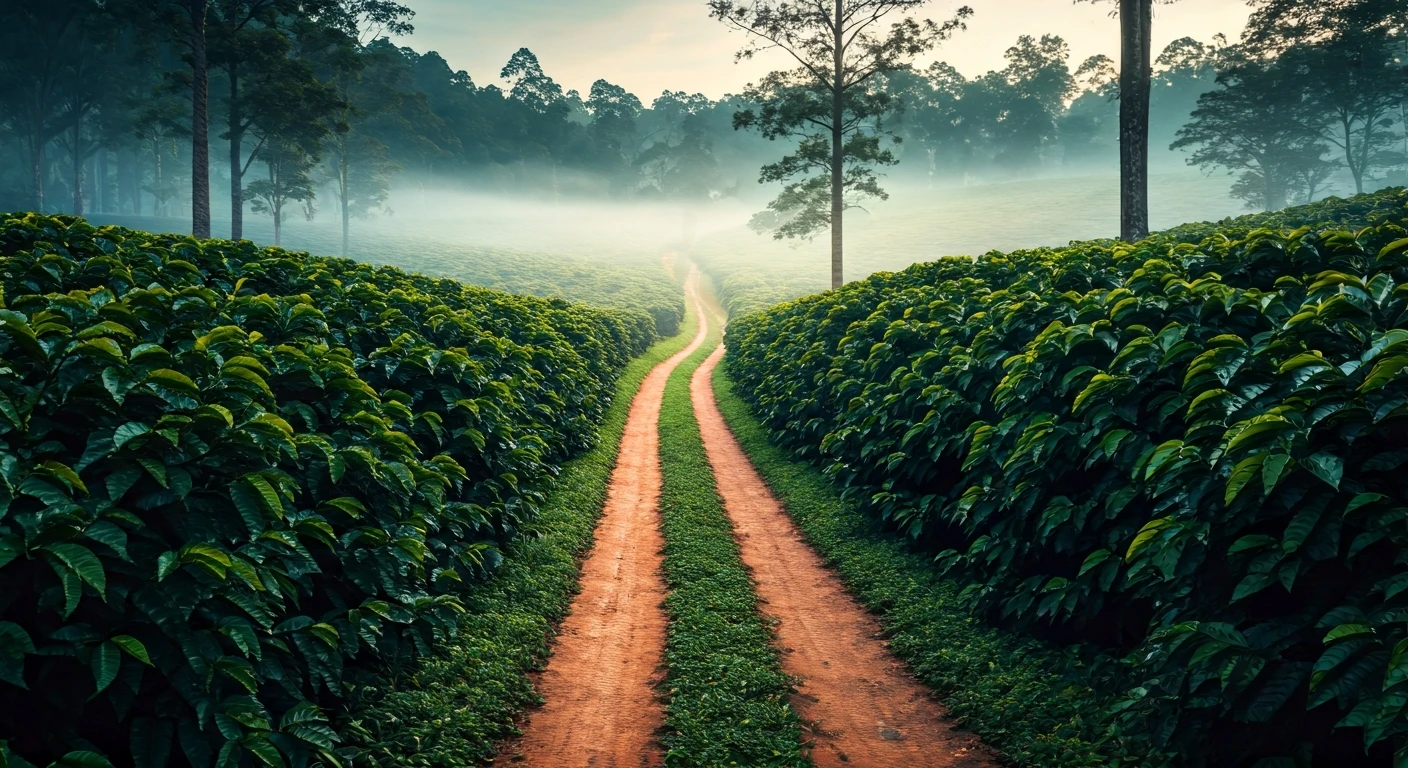
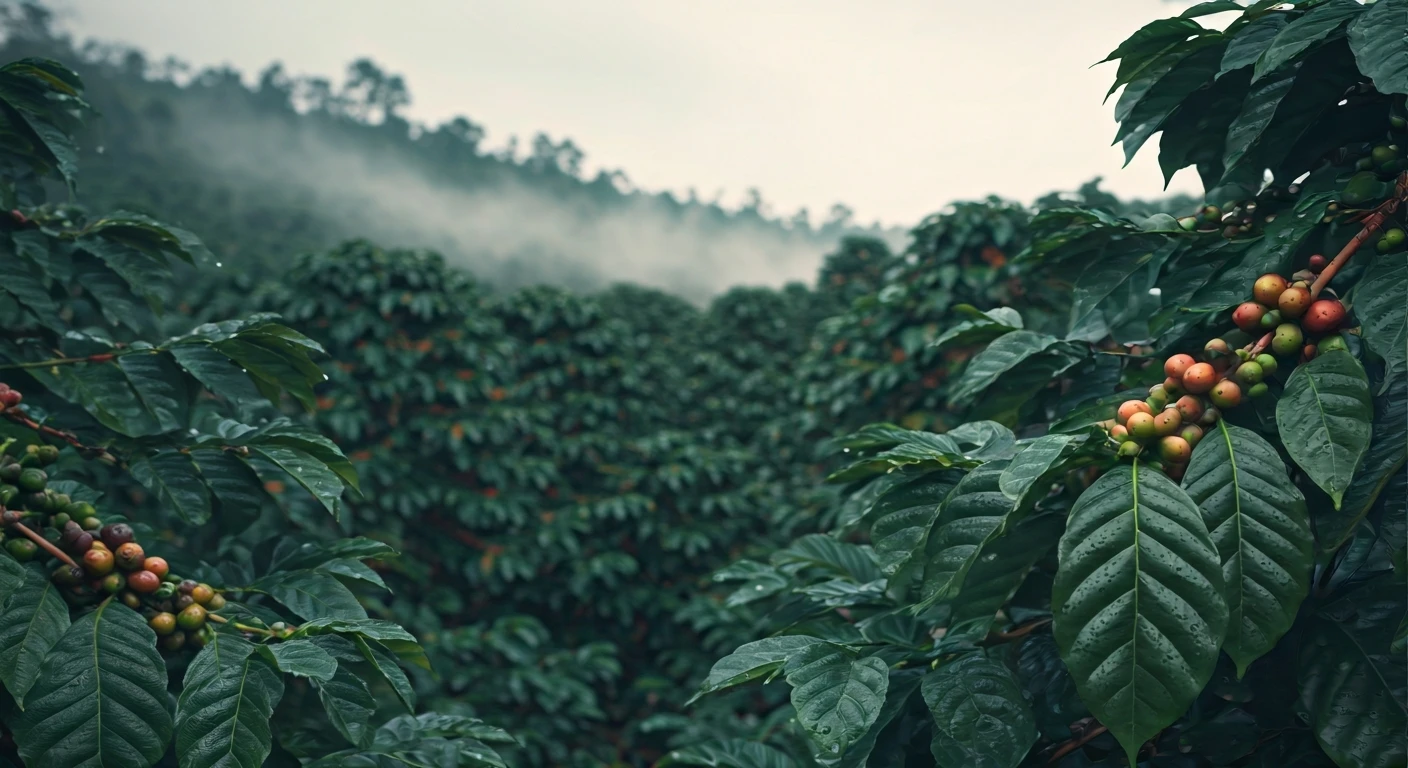
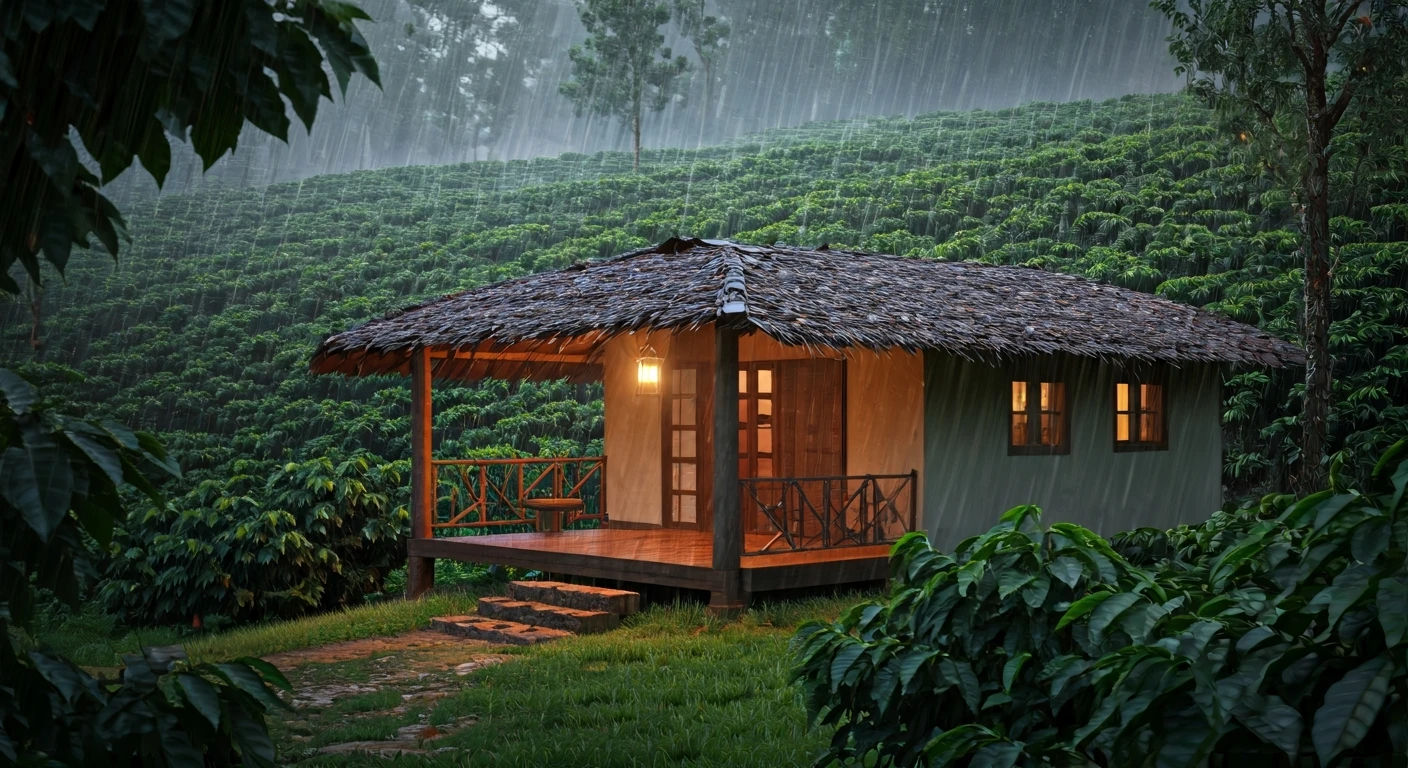
The key to unlocking Coorg’s unique charm isn’t a five-star hotel, but a plantation stay. These are not sterile resorts but sprawling, often ancestral homes set on working estates. Picture a colonial-era bungalow with a red-tiled roof, a deep, wraparound verandah furnished with wicker chairs, and rooms filled with antique wood furniture. The hosts are typically the plantation owners themselves, offering a level of personal hospitality that feels more like visiting a family friend than checking into a hotel. This experience is about immersion. You wake up to the sound of birds, not traffic. Your morning view is of coffee bushes dripping with yesterday’s rain. The air itself carries the scent of wet earth, flowering coffee blossoms, and roasting beans. It's an intimate alternative to anonymous tourism, offering a direct connection to the land and the people who cultivate it.
Why You Should Embrace the Monsoon
Most vacation planning revolves around avoiding rain. In Coorg, many travelers specifically seek it out. The monsoon season, which typically runs from June through September, is when the region is at its most dramatic and atmospheric. The rains wash the dust from the air, leaving behind an impossibly vibrant green. Waterfalls like Abbey and Iruppu, which are modest trickles in the dry season, become thunderous cascades. The constant, rhythmic drumming of rain on the roof becomes a soothing soundtrack for an afternoon nap or getting lost in a book. This isn't the kind of rain that shuts everything down. The downpours are often intense but interspersed with periods of drizzle or clearing skies, perfect for a walk. It’s a season for slowing down, for savoring a cup of locally grown coffee while watching the mist roll through the valleys, and for finding beauty in the weather rather than fighting it.
A Taste of Kodava Culture
A stay in Coorg is also a culinary journey. The local Kodava people have a unique culture and cuisine shaped by the region's agricultural abundance. Plantation stays excel at providing authentic, home-cooked meals that you won’t find in a typical restaurant. The star of the show is often *pandi curry*, a rich and spicy pork dish flavored with a locally grown, dark, and tangy vinegar called *kachampuli*. Other staples include *akki otti* (thin rice-flour flatbreads), bamboo shoot curry, and countless dishes seasoned with the pepper and cardamom grown just outside the kitchen door. Eating here is part of the experience—a direct taste of the local terroir and a delicious departure from standard Indian restaurant fare.
Activities Between the Showers
While relaxation is the primary goal, a rainy retreat in Coorg is far from boring. Most plantation hosts will gladly arrange a tour of their estate, where you can learn firsthand about the journey of a coffee bean from plant to cup. Bird-watching is exceptional during the monsoon, as the wet weather brings out a stunning variety of avian life. For the more adventurous, a short trek through the plantation grounds or to a nearby viewpoint offers breathtaking, misty vistas. You can visit the Dubare Elephant Camp to see elephants being bathed in the river, or explore the town of Madikeri and its historic fort. The rain simply adds another layer of atmosphere to these excursions, turning a simple walk into a moody, memorable adventure.