






The Traditional Morning Plate
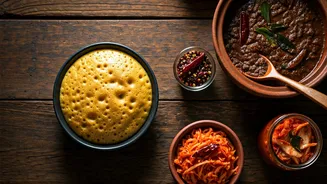
To understand the shift, you first have to picture the classic Indian breakfast. In the south, it might be fluffy steamed idlis (rice cakes) or crisp dosas (rice crepes), served with lentil stew (sambar) and coconut chutney. In the north, it could be a hearty
paratha (stuffed flatbread) with yogurt and pickles, or in the west, flattened rice called poha, cooked with onions and spices. Delicious, culturally significant, and beloved by millions, these meals share a common trait: they are overwhelmingly carbohydrate-centric. While these dishes provide ample energy to start the day, they often lack a substantial protein component. For centuries, this was simply how breakfast was done—a warm, savory, and filling meal that provided fuel for a day of physical labor. But as India’s economy and social fabric transform, so too are the nutritional demands of its people.
From Carbs to Consciousness
So, why the sudden focus on protein? The change is being driven by a perfect storm of social and economic trends, particularly among India’s growing urban middle class. As incomes rise, so does discretionary spending on health and wellness. Gyms and fitness studios, once a rarity, are now a common sight in major cities, creating a new generation of calorie- and macro-counting consumers. This newfound health consciousness was amplified by the COVID-19 pandemic, which placed a sharp focus on immunity and overall well-being. Furthermore, a growing body of research has highlighted a paradoxical “protein deficiency” in India, where even non-impoverished diets can lack adequate protein. For busy urban professionals with sedentary jobs and long commutes, a carb-heavy breakfast can lead to a mid-morning slump. They need sustained energy, not a quick spike and crash, and protein is increasingly seen as the answer.
The Anatomy of a Modern Indian Breakfast
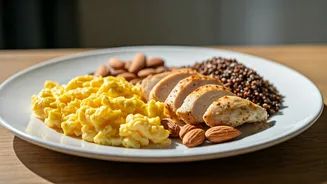
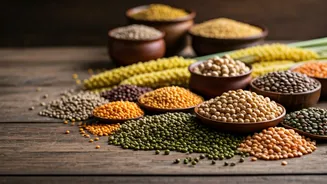
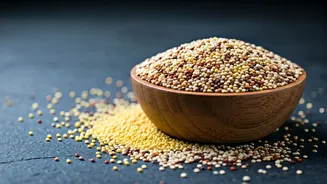
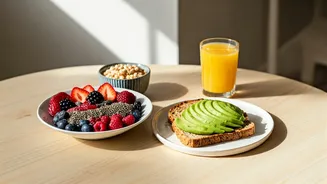
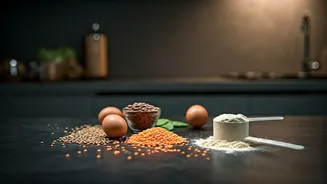
The new Indian breakfast menu looks strikingly different. The paratha is being replaced by oat-based porridges, often mixed with seeds and nuts. The humble egg, once a simple side, is now the star of egg-white omelets and scrambled-egg bowls. Smoothies packed with whey protein, fruits, and yogurt are becoming a go-to for time-crunched millennials and Gen Z. Ancient Indian grains are also getting a modern, protein-rich makeover. Millets and quinoa, once considered rustic or niche, are now celebrated as superfoods and are appearing in upma (a traditional savory porridge) and other breakfast dishes. This isn't just about adopting Western food trends wholesale; it's about reinterpreting and adapting global wellness concepts within an Indian context, creating a hybrid food culture that is both modern and rooted.
Startups Serving the New Appetite
Where there is a new consumer demand, a new market follows. A vibrant ecosystem of direct-to-consumer (D2C) food startups has emerged to cater to this protein-hungry demographic. Brands like The Whole Truth, Yoga Bar, and Slurrp Farm are flooding online marketplaces and supermarket aisles with high-protein muesli, breakfast bars, protein-infused pancake mixes, and ready-to-eat millet meals. These companies have masterfully used social media marketing and clean-label branding to appeal to young, discerning consumers who want convenience without compromising on health. They speak the language of macros, natural ingredients, and no added sugar, positioning themselves as allies in the consumer’s wellness journey. This trend represents a massive economic opportunity, turning the breakfast category—long dominated by unbranded, traditional staples—into a dynamic and competitive consumer goods sector.