
The Unloved Melon
For decades, cantaloupe was the fruit we tolerated, not the one we craved. It was the pale orange filler in plastic fruit cups, the hard, flavorless chunk pushed to the side of the plate. Its reputation wasn't just built on blandness; it was cemented
by convenience. For mass food service, durability and shelf-life trumped taste. Growers prioritized melons that could withstand long-distance shipping, often harvesting them weeks before they were ripe. The result was a perfectly round, perfectly shipped, and perfectly tasteless piece of fruit. This agricultural compromise created a generation of consumers who rightfully believed that cantaloupe was, at its best, a slightly sweet source of water. At its worst, it was a vehicle for foodborne illness, with high-profile salmonella and listeria outbreaks in the past decade further tarnishing its name. Cantaloupe didn't just have an image problem; it had a trust problem.
A Quiet, Sweet Renaissance
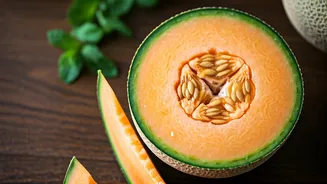
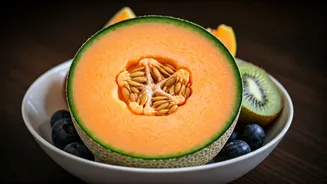
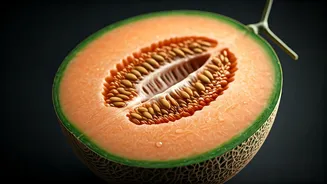
But while we were all ignoring it, a few dedicated farmers and chefs started a quiet rebellion. They began treating cantaloupe not as a commodity, but as an artisanal product. The comeback started at farmers' markets, where small growers could cultivate heirloom varieties prized for flavor, not for their ability to survive a cross-country trip in a refrigerated truck. These melons, often with whimsical names and imperfect shapes, were a revelation. They were intensely fragrant, shockingly sweet, and melted in your mouth with a complex, floral-musk flavor that bore no resemblance to their supermarket cousins. Chefs, always on the hunt for the next “it” ingredient, took notice. Suddenly, hyper-seasonal, peak-ripeness cantaloupe started appearing on fine dining menus—not as filler, but as the star. It’s being paired with salty cured meats, drizzled with spicy chili oil, or blitzed into elegant, cold soups.
The Secret to Sweetness
So what separates a transcendent cantaloupe from a tragic one? It comes down to when and how it’s picked. A truly ripe cantaloupe will detach from the vine with a gentle tug—a process called “full slip.” This is the melon’s signal that its sugars are fully developed. Commercially grown melons are often picked at “half-slip” or earlier, meaning they are forcibly cut from the vine. While they might soften and turn more orange on your counter, they will never get any sweeter than the moment they were harvested. The best melons are vine-ripened and sold locally within a few days of picking. They have a high sugar content, measured in Brix, and a heady, floral aroma that you can often smell from a few feet away. This is the cantaloupe experience you’ve been missing.
How to Pick a Winner
You don't need a degree in horticulture to find a great cantaloupe; you just need to use your senses. Forget thumping it—that’s for watermelons. First, pick it up. It should feel heavy for its size, which indicates high water content and juiciness. Next, inspect the rind. The “netting” should be raised, thick, and well-defined over a creamy, golden-tan background (avoid any with green undertones). The most important test is the sniff test. Bring the blossom end (opposite the stem end) to your nose. It should have a sweet, musky, and distinctly floral fragrance. If it smells like nothing, it will taste like nothing. And check the stem end—it should be smooth and slightly indented, a clean divot indicating the melon slipped naturally from the vine. A jagged piece of stem still attached means it was cut too early.
Beyond the Fruit Bowl
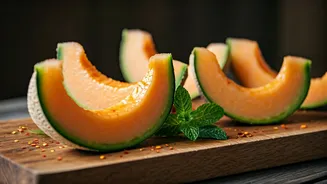
Once you’ve found the perfect melon, don’t just cube it. The classic pairing with salty prosciutto is a classic for a reason—the sweet and savory contrast is divine. But it’s time to think bigger. Try grilling thick wedges of cantaloupe until they’re lightly caramelized and serve with a dollop of yogurt or a sprinkle of flaky sea salt. Blend it into a refreshing gazpacho with cucumber, mint, and a splash of lime. Puree and freeze it for a simple, stunning sorbet. Or, for the ultimate summer refreshment, muddle chunks of ripe cantaloupe in the bottom of a glass before building a spicy margarita. The melon’s sweet, musky flavor is a perfect counterpoint to tequila and chili. It’s a whole new world of possibilities that proves this comeback is very, very real.