






The Ultimate Set Dressing
In filmmaking, every object in a room tells a story. And in the story of a perfect mountain getaway, the fireplace is the undisputed star. It’s more than just a source of heat; it's a piece of kinetic art, a living anchor for the entire space. Think of any
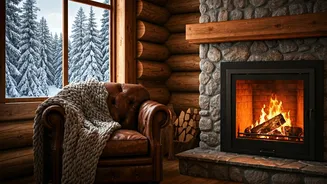
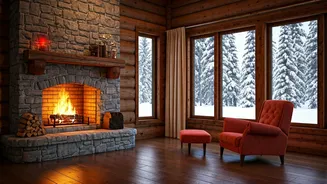
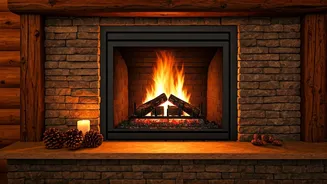
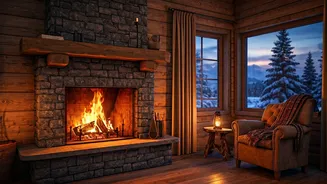
film set in a remote cabin. Whether it’s a romantic comedy where the leads finally connect or a thriller where the fire is the only source of light against a menacing darkness, the hearth is central to the action. This is what we tap into when we book a mountain rental with a grand stone fireplace. We are subconsciously casting ourselves in that scene. The flickering light creates dynamic shadows, making everything look more dramatic and interesting. It softens features, casts a warm hue on the room, and provides a natural focal point that a television screen can only aspire to be. It’s the original ambient lighting, creating an atmosphere that feels both timeless and intentionally beautiful.
The Soundtrack of Comfort
A movie’s power isn’t just in its visuals, but also its sound design. The experience of a real wood-burning fireplace is an acoustic masterpiece. It doesn’t just sit there silently; it offers a gentle, organic soundtrack that is impossible to replicate. The sharp crackle as a log splits, the soft hiss of sap, the steady, low roar of the flame—it’s a symphony of comfort. These sounds work on a primal level. In a world of digital pings and constant notifications, the analog sounds of a fire are a balm. They signal safety, warmth, and a return to something more fundamental. This natural white noise masks the distracting sounds of the outside world, pulling our attention inward. You don't just see the fire; you hear it, feel its warmth, and smell the faint, pleasant scent of woodsmoke. It’s a fully immersive, multi-sensory experience that envelops you completely, much like a great film.
A Plot Device for Connection
In any good story, character development happens when people are forced to interact. The fireplace is a masterful plot device for just that. It's a social magnet. When a fire is lit, furniture and people naturally gravitate toward it. Phones get set aside. The passive glow of a screen is replaced by the active, mesmerizing dance of flames. Suddenly, you’re not just co-existing in a room; you’re sharing a space and an experience. The fireplace becomes a stage for conversation, for reading a book side-by-side in comfortable silence, for nursing a warm drink, or for simply staring into the embers and getting lost in thought. It slows down time. It encourages contemplation and connection in a way that modern technology is often designed to disrupt. In this scene, we are the main characters, and the fireplace gives us the space to have our quiet, meaningful moments.
The Enduring Symbol of Sanctuary
At its core, the cinematic feeling of a mountain fireplace comes from its power as a symbol. For thousands of years, fire has represented safety, community, and refuge from the cold and dark. A cabin in the mountains is already a form of escape—a retreat from the complexities of daily life. The fireplace is the heart of that sanctuary. It represents a deliberate choice to unplug and embrace simplicity. It’s about creating warmth not with the flick of a thermostat, but with the intentional act of building and tending a fire. This small ritual connects us to a more elemental way of living. We feel safe, protected, and cared for. This is why the scene feels so satisfying and complete. It’s not just visually pleasing; it fulfills a deep-seated psychological need for a haven, a place where we are sheltered from the metaphorical storms of the outside world.