



First, Focus on Hydration You Can Eat
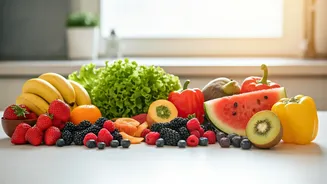
We all know to drink more water when it's hot. But what we eat can be just as crucial for hydration. Many fruits and vegetables are more than 90% water, offering a delicious way to replenish fluids while also delivering vitamins and fiber. Think of them
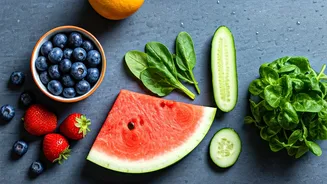
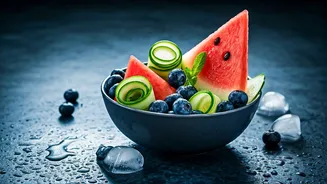
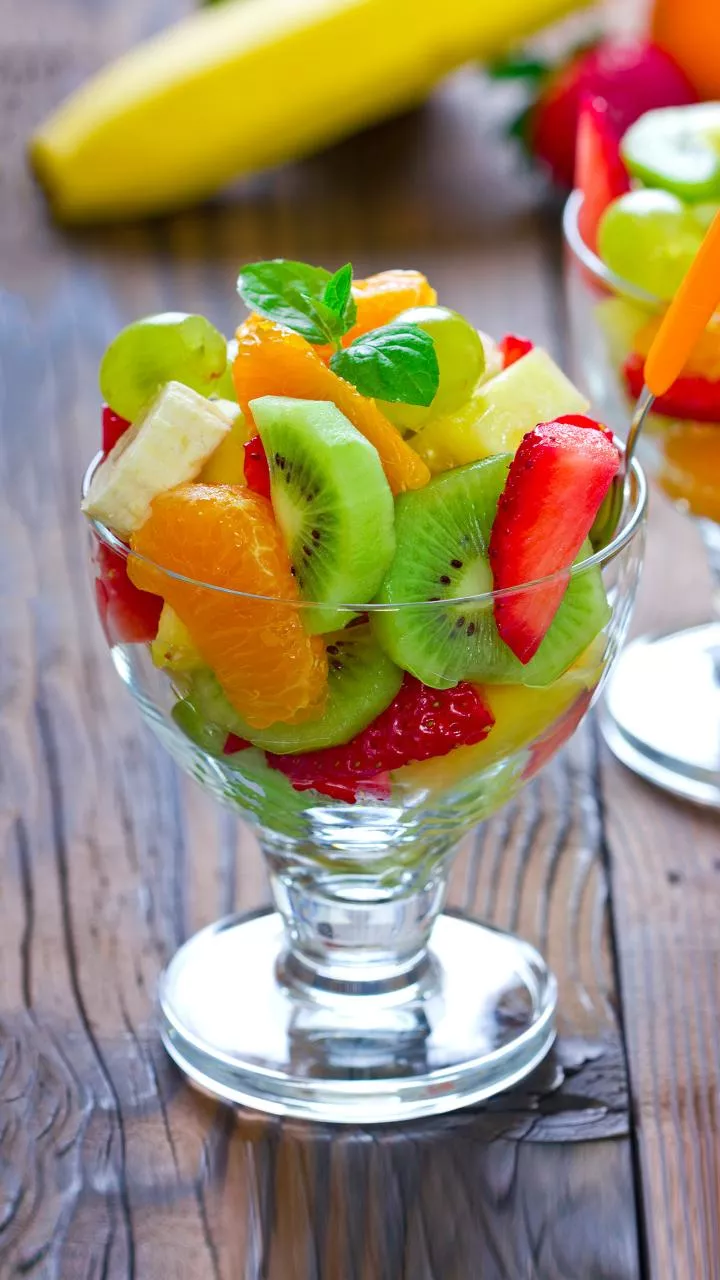
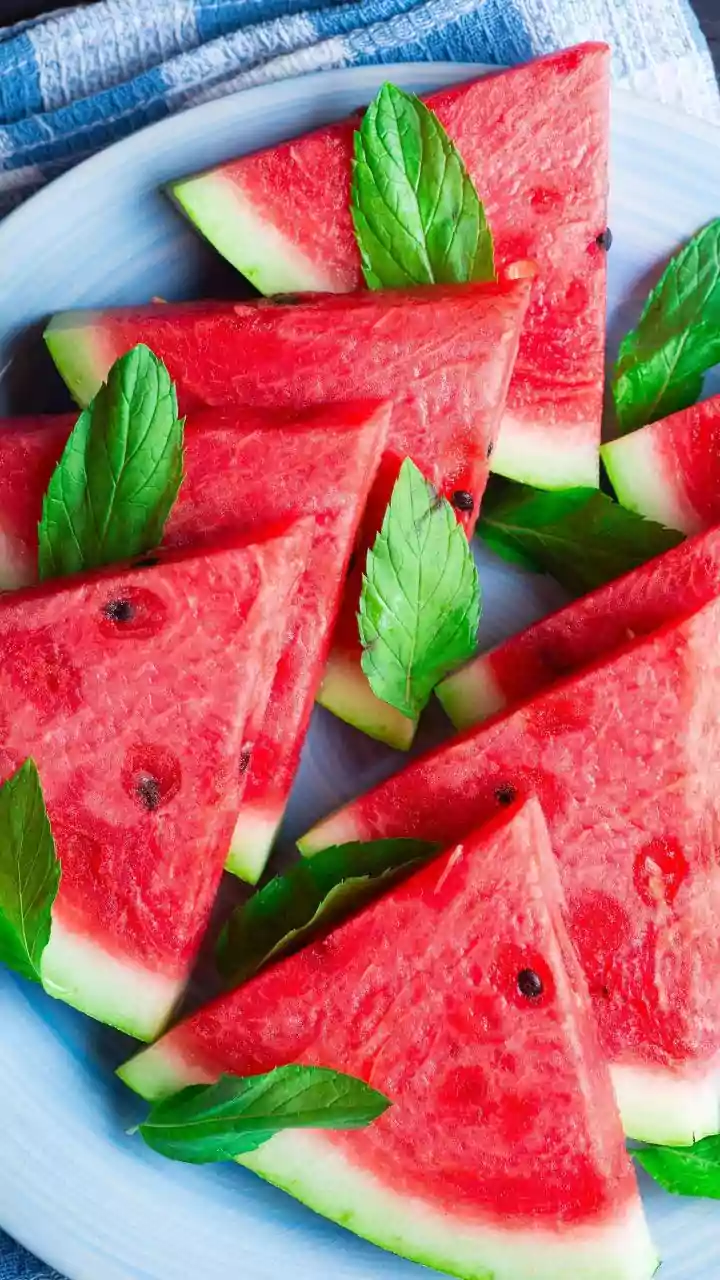
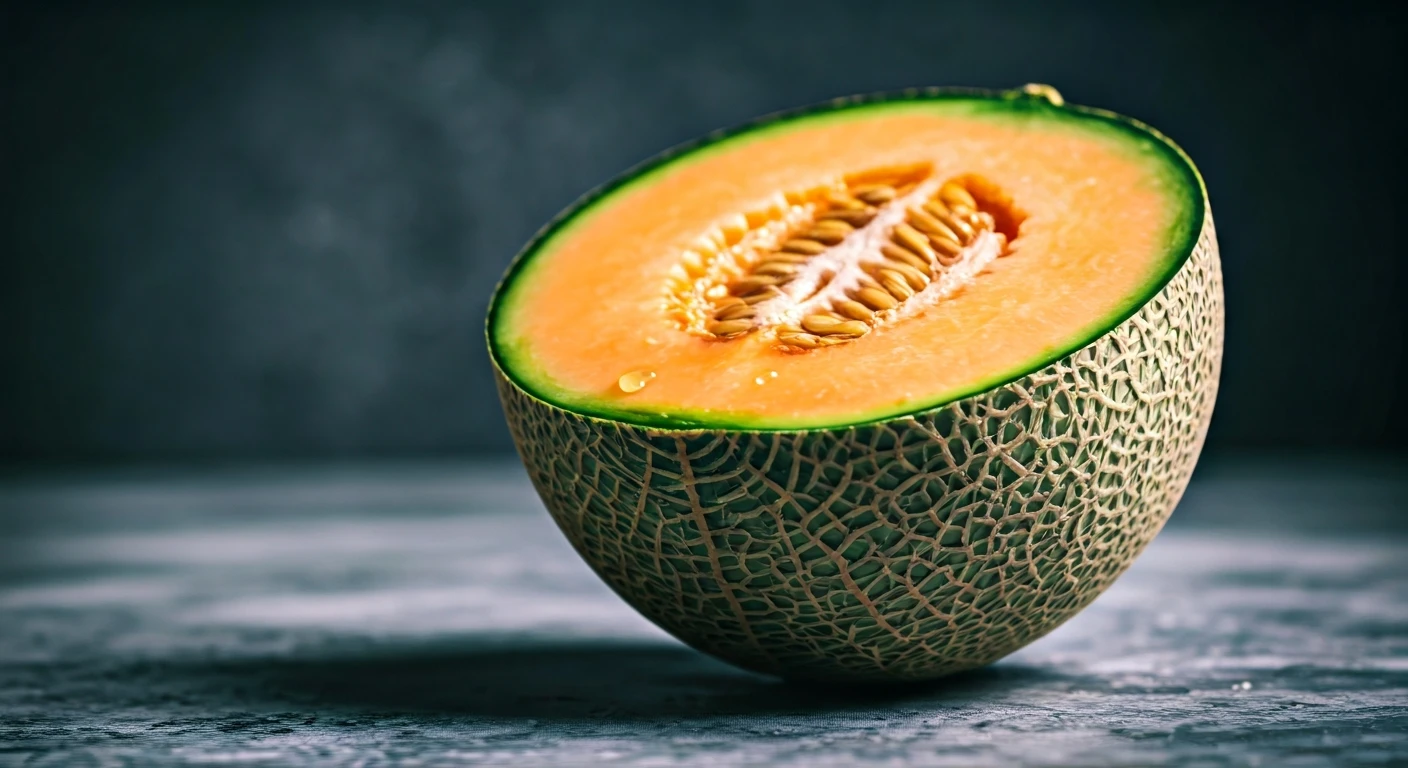
as nature's IV drips. Watermelon is the undisputed champion, but don't overlook cucumbers, celery, strawberries, cantaloupe, and bell peppers. Incorporating these into your day provides a slow and steady release of hydration that your body can absorb more effectively than chugging a bottle of water all at once. Try making a big batch of fruit salad to keep in the fridge for an instant, cooling snack. Or, blend cucumber, mint, and a little yogurt for a refreshing, drinkable meal that requires zero cooking.
Replenish Salt and Essential Electrolytes
The word “salt” can feel like a nutritional villain, but during a heatwave, it’s a necessary friend. When you sweat, you don't just lose water; you lose essential electrolytes like sodium, potassium, and magnesium. These minerals are vital for nerve function, muscle contractions, and maintaining fluid balance. Ignoring them can lead to muscle cramps, dizziness, and fatigue. This doesn’t mean you should start chugging salt water. Instead, focus on sensible replenishment. A light sprinkle of sea salt on your watermelon or cucumber slices can be both delicious and effective. Other great sources of potassium to balance out your sodium include bananas, avocados, spinach, and sweet potatoes (which can be pre-cooked and served cold in a salad). For those engaging in strenuous activity, a low-sugar electrolyte drink might be warranted, but for most people, a well-rounded, lightly salted meal does the trick perfectly.
Use 'Sense' to Lighten the Load
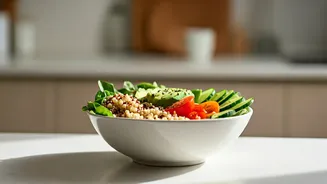
The “sense” part of heatwave eating is about working with your body, not against it. Your digestive system generates heat when it breaks down food—a process known as the thermic effect of food. Large, heavy meals rich in protein and fat require the most energy to digest, essentially turning up your internal furnace when you least need it. This is the time for lighter, smaller, and more frequent meals. Instead of a huge dinner, consider a series of substantial snacks or a main-course salad. This is also where common sense in the kitchen comes into play. Declare your oven off-limits. The same goes for the stovetop if you can help it. Embrace no-cook meals: gazpacho, chicken or tuna salad served in lettuce cups, spring rolls with fresh veggies and pre-cooked shrimp, or a simple plate of cheese, crackers, and fruit. Your goal is to nourish yourself without adding extra heat to your body or your home.
Cool Down From the Inside Out
Beyond the nutritional science, there's a powerful psychological and sensory component to heatwave eating. Foods that are physically cold or contain cooling compounds can provide immediate relief. Keep a pitcher of mint- or cucumber-infused water in the fridge. Freeze grapes or berries for a snack that feels like a tiny popsicle. Even certain herbs and spices, like mint and cilantro, are perceived as cooling and can make a simple dish feel much more refreshing. A chilled bowl of soup, a yogurt parfait, or a smoothie made with frozen fruit can lower your perceived temperature and make the heat more bearable. Eating this way isn't just about survival; it's about finding small moments of pleasure and relief when the weather is doing its worst.