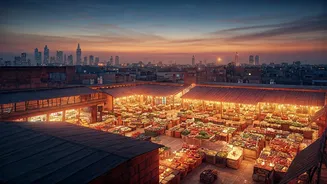







When the Sun Sets, the City Climbs
In a city of over 20 million, public space is precious, and in the summer, it's often unusable. From May to July, temperatures in India's capital routinely soar past 110 degrees Fahrenheit, turning parks into ovens and streets into radiating griddles.
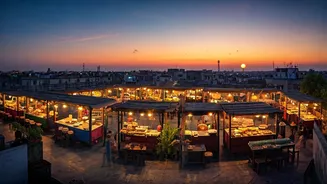
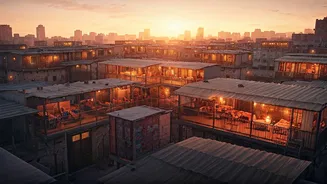
The daytime is for survival, spent in the air-conditioned sanctuaries of homes, offices, and malls. Social life hibernates. But a growing trend offers a clever and charming solution: go up. As evening brings a marginal, yet deeply welcome, drop in temperature, select rooftops across the city transform into bustling, vibrant markets. These aren't just a few vendors on a terrace; they are curated cultural events, offering a collective exhale after a day spent holding one's breath against the heat.
An Atmosphere of Escape
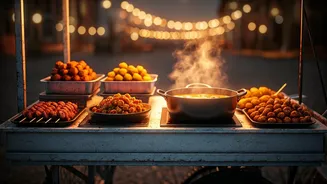
The magic of a Delhi rooftop market lies in its atmosphere. Climbing the stairs to a terrace in neighborhoods like Hauz Khas Village or Mehrauli, you leave the noise and congestion of the street below. What greets you is a gentle breeze—a minor miracle in the summer—and a panorama of city lights. Strings of fairy lights are draped between pillars, indie music or a live acoustic set might drift through the air, and the scent of street food classics mingles with artisanal coffee. These spaces are intentionally designed to be escapes. They are smaller and more intimate than the city's sprawling traditional bazaars, fostering a sense of community and relaxed browsing. People aren't just there to shop; they're there to linger, to meet friends, to enjoy a cool drink, and to feel like part of the city's social fabric again.
A Curated Showcase of Creativity
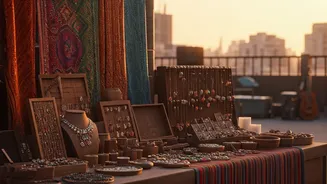
Unlike the sprawling, everything-under-the-sun nature of markets like Sarojini Nagar or Chandni Chowk, rooftop pop-ups are highly curated. The focus is often on local artisans, independent designers, and sustainable brands. You're more likely to find hand-thrown pottery, block-printed summer dresses, organic skincare, and quirky home decor than mass-produced goods. This curation elevates the experience from a simple shopping trip to an act of discovery. It gives a platform to small-scale creators and connects consumers directly with the people behind the products. For many attendees, buying a handmade necklace or a jar of local honey feels like investing in the city's creative soul, a welcome alternative to the anonymity of a shopping mall.
The Ultimate Form of Urban Adaptation
On one level, these markets are simply a pleasant way to spend a summer evening. But on another, they represent a brilliant form of urban adaptation. As climate change makes extreme weather events like Delhi's heatwaves more common and more intense, cities and their residents must find new ways to live. The rooftop market is a perfect example of this resilience. It reclaims underutilized space (the rooftop) during an underutilized time (the evening) to solve a pressing problem (social isolation during extreme heat). It’s a grassroots solution, born not from a government directive but from the collective desire for community and normalcy. It’s a testament to the city's ability to find pockets of joy and connection, even when the environment itself feels hostile.