




From Mumbai Streets to American Kitchens
For decades, Indian food in the U.S. was largely represented by a handful of restaurant dishes (chicken tikka masala, anyone?) and grocery products that offered a muted, generic approximation of the subcontinent’s cuisine. But Indian street food is a different
beast entirely. It’s the explosive crunch of pani puri, the tangy-sweet-spicy chaos of a good bhel puri, the pillowy bun of a vada pav cradling a spiced potato fritter. This is food that’s alive with texture, fresh herbs, and a symphony of chutneys—an experience deeply tied to a place and a moment. Historically, its ephemeral, made-to-order nature made it seem impossible to package. How could you capture the magic of a street-side vendor expertly assembling a plate of chaat in a box that sits on a shelf?
The New Guard of Packaged Goods
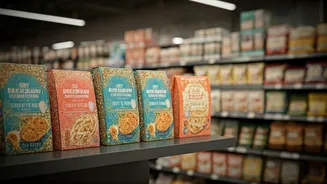
A new generation of founders, many of them Indian Americans, decided to solve that puzzle. Instead of trying to replicate a finished dish in a sad, microwavable tray, they are deconstructing the experience. Brands like Brooklyn Delhi, founded by Chitra Agrawal, brought complex, traditionally-made achaar (pickles) and simmer sauces to the forefront, giving home cooks the building blocks for authentic flavor. Deep Indian Kitchen revolutionized the frozen aisle with products that actually taste like what an Indian auntie might make, from spinach paneer to chicken vindaloo, and even frozen samosas and naan. These brands aren't watering down flavors for a presumed American palate. They’re betting that the American palate is ready for the real deal—and they’re winning.
The 'Flex' Is in the Flavor
This brings us to the “flex.” Tossing a jar of tomato achaar or a bag of frozen garlic naan into your cart is more than just a dinner decision; it’s an act of cultural currency. For non-Indian consumers, it signals a sophisticated, adventurous palate and a step away from culinary clichés. It says, “I’m interested in regional specificity, not just ‘curry’.” For the Indian diaspora, especially second- and third-generation Americans, it’s a powerful connector to heritage. These products offer a convenient shortcut to the flavors of childhood, a way to recreate a complex dish on a busy weeknight without spending hours grinding spices. Supporting these AAPI-owned brands is, in itself, a statement of identity and community.
Navigating Authenticity and Convenience
The core tension, of course, is authenticity. Can a packaged product ever truly replace the freshly fried, expertly assembled, and highly social experience of eating street food in India? The smartest brands don’t try to. They understand they aren't selling a finished plate of pani puri; they're selling the high-quality, hard-to-make components. They provide the perfectly spiced water and the hollow, crispy puri shells, allowing you to have the *experience* of assembling it at home. It’s a clever compromise that respects both the consumer’s time and the food’s integrity. The goal isn’t to replace the street vendor, but to bring a genuine taste of their craft into the American home kitchen, making it accessible on a Tuesday night.