



The Mango Capital of the World
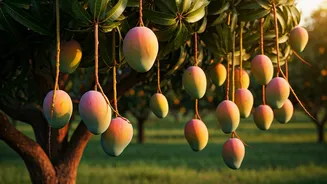
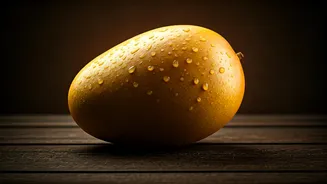
Mention mangoes to anyone in India, and the name Lucknow will inevitably come up. Located in the northern state of Uttar Pradesh, this historic city and its surrounding region, known as the Malihabad-Kakori mango belt, are considered the cradle of mango cultivation.
For centuries, this area has been famed for its Dussehri mangoes, a variety so prized it has its own Geographical Indication (GI) tag, similar to Champagne in France. The soil, the climate, and generations of horticultural knowledge have made Lucknow the undisputed center of the mango universe. It’s not just a place where mangoes grow; it's where they are revered, debated, and perfected.
More Than Just a Fruit Contest
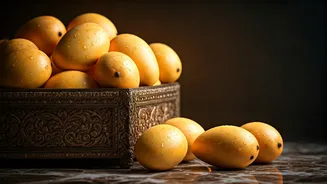
The All-India Mango Exhibition, held annually, isn't your average county fair. It's the World Series for mango growers, a high-stakes arena where hundreds of varieties from across the country are put on display and judged. For growers and agricultural scientists, winning an award here is the ultimate validation. The competition is fierce, with categories for size, shape, color, aroma, and, of course, the all-important taste. It’s a festival that showcases the incredible biodiversity of the fruit—from tiny, intensely sweet varieties you can eat in one bite to giants weighing several pounds. This is where legends are made and where the future of the fruit is decided.
Meet the New Champions: Ambika and Arunima
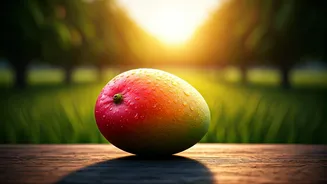
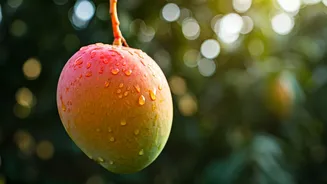
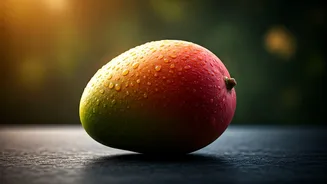
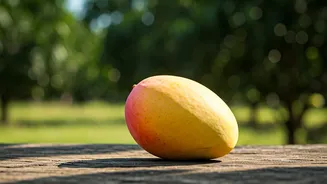
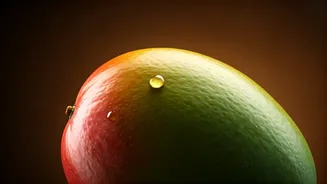
This year, the buzz was all about the new kids on the block, developed by the brilliant minds at Lucknow's Central Institute for Subtropical Horticulture (CISH). Two varieties, in particular, stole the show: Ambika and Arunima. These aren't your average mangoes. Ambika, a hybrid of the famous Amrapali and Janardhan Pasand varieties, boasts a stunning, deep-red blush, a feature that gives it immense curb appeal. But its beauty is more than skin deep; it has a firm, fiberless pulp and a Brix value (a measure of sugar content) that puts it in the elite tier of sweetness. Its sister, Arunima, is similarly beautiful and bred for a longer shelf life and disease resistance—a huge breakthrough for a fruit that is notoriously delicate.
The Science of Perfect Sweetness
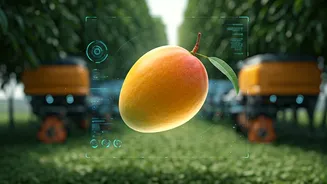
These new varieties didn't just appear by magic. They are the result of decades of patient, meticulous work in agricultural science. Researchers at CISH are playing the long game, cross-breeding existing varieties to combine their best traits. The goal is to create a mango that not only tastes divine but also solves real-world problems. Can it resist common fungal diseases? Can it ripen later in the season, extending the precious mango window for consumers? Can it travel long distances without spoiling? The development of Ambika and Arunima answers a resounding 'yes' to many of these questions. They represent a fusion of tradition and technology, designed to delight the palate and be commercially viable on a global scale.
Will We Ever Taste Them in the U.S.?
So, when can you expect to find a box of brilliant red Ambika mangoes at your local Trader Joe's? Unfortunately, not anytime soon. The global mango trade is complex, with strict import regulations (especially for fresh produce into the U.S.) and logistical hurdles. Most mangoes in American supermarkets are varieties like Tommy Atkins, chosen more for their durability and ability to withstand long-distance shipping than for their flavor. However, the innovations happening in Lucknow are a sign of what’s possible. As these more robust, long-lasting, and beautiful varieties become more widely cultivated, the economics of exporting them may start to change. They prove that the quest for the ultimate mango is alive and well, pushing the boundaries of what the 'king of fruits' can be.