






The Myth of Total Rest
After a grueling workout, the instinct is clear: collapse on the couch and don’t move a muscle until tomorrow. It feels earned. It feels right. But according to a growing consensus among fitness professionals, this approach—known as passive recovery—is
actually the less effective option. The single most recommended recovery habit isn't about expensive massage guns, ice baths, or exotic supplements. It’s simpler, cheaper, and far more beneficial: active recovery. Active recovery is the practice of engaging in low-intensity exercise after a strenuous workout or on a designated “rest” day. The key is gentle, purposeful movement. While it seems counterintuitive to move when your muscles are screaming for a break, this habit is the foundation upon which all other recovery efforts are built. It’s the difference between merely surviving your last workout and actively preparing your body to conquer the next one.
The Science of Gentle Movement
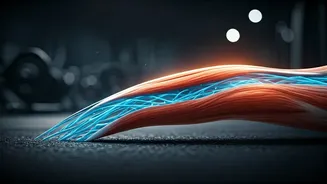
So, why is moving better than sitting still? The magic lies in your circulatory system. When you push your body hard, you create metabolic byproducts, including lactate. While lactate itself isn't the direct cause of muscle soreness, its accumulation is a sign of metabolic stress. Lying motionless allows these byproducts to linger in the muscles, contributing to stiffness and that dreaded Delayed Onset Muscle Soreness (DOMS). Active recovery, on the other hand, acts like a gentle pump. Light movement keeps your blood flowing at an elevated rate without causing further muscle damage. This enhanced circulation delivers fresh, oxygenated blood to your tired tissues while simultaneously flushing out metabolic waste. Think of it as a biological cleaning crew that tidies up your muscles, reducing inflammation and soreness far more efficiently than stillness ever could. It’s not about adding more stress; it’s about speeding up the body's natural healing process.
What Active Recovery Looks Like
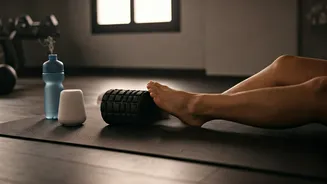
The beauty of active recovery is its simplicity and adaptability. The golden rule is to keep the intensity low—around 30-40% of your maximum effort. You should be able to hold a full conversation without getting breathless. It should feel restorative, not challenging. Great options for active recovery include: * **A brisk walk:** A 20-30 minute walk outside or on a treadmill is a perfect way to get the blood flowing without impact. * **A gentle bike ride:** Keep the resistance low and focus on a steady, easy cadence. * **Swimming or water aerobics:** The buoyancy of the water makes this a zero-impact option that’s incredibly soothing on sore joints and muscles. * **Dynamic stretching and mobility work:** Think foam rolling, gentle yoga flows, or a series of movements like cat-cows, leg swings, and torso twists. What it isn't: It’s not a shorter version of your regular workout. It’s not a chance to hit a new personal record. It's a deliberate act of care.
How to Build the Habit
Integrating active recovery into your routine doesn't have to be complicated. The easiest way is to reframe your “off days.” Instead of seeing them as days where you do nothing, think of them as active recovery days. Schedule a 30-minute walk or a light yoga session just as you would schedule a gym workout. Another excellent opportunity is the cool-down period immediately following a tough workout. Instead of heading straight for the showers after your last set, spend 5-10 minutes on a stationary bike or walking on the treadmill. This helps transition your body from a state of high stress to one of rest and repair, kicking off the recovery process before you’ve even left the gym. By treating movement as a non-negotiable part of your rest, you shift your mindset from 'working out' to 'training'—a holistic process where recovery is just as crucial as the effort itself.