
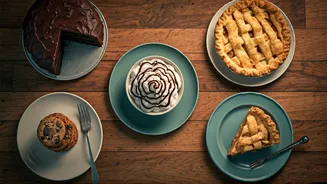

From Guilty Pleasure to Main Attraction
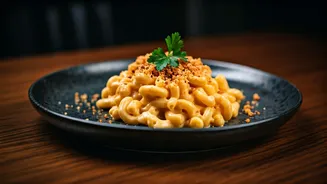
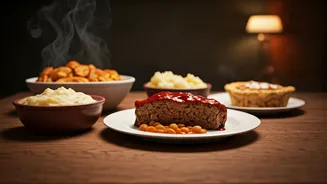
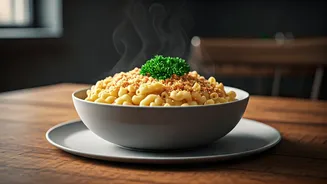
For years, comfort food was the stuff of home kitchens and guilty pleasures—the mac and cheese you wouldn’t admit to eating for dinner, the meatloaf your grandma made. On restaurant menus, it was often relegated to the kids' section or treated as a low-brow
afterthought. Not anymore. Today, from high-end bistros to fast-casual chains, dishes designed to soothe the soul are taking center stage. We’re not just talking about a revival; we’re talking about a re-coronation. The humble grilled cheese is now made with artisanal sourdough and aged Gruyère. Fried chicken sandwiches spark city-wide debates. A simple bowl of pasta, made with perfect ingredients, is seen as the height of culinary sophistication. This isn't just about food; it's a cultural shift. We've stopped apologizing for wanting food that makes us feel good and started celebrating it.
The Psychology of a Warm Meal
So, why now? The answer lies in our collective exhaustion. In an era of economic uncertainty, social division, and the lingering psychological hangover of a global pandemic, predictability is a luxury. Comfort food is fundamentally about control and reliability. You know exactly what a good burger or a creamy bowl of mashed potatoes will deliver: a hit of dopamine, a sense of security, and a connection to a simpler time, whether real or imagined. This food taps directly into our nostalgia, reminding us of childhood, family gatherings, and moments when life felt less chaotic. It’s no coincidence that as our screen-filled lives become more complex and isolating, we’re collectively craving things that feel tangible, authentic, and grounding. A well-made pot pie doesn't need an algorithm to be understood; its purpose is clear and its satisfaction is immediate.
Chefs Get In on the Act
Restaurateurs are not just observing this trend; they're driving it. And for good reason—it makes perfect business sense. Comfort food classics are often built on relatively inexpensive ingredients like potatoes, flour, cheese, and chicken, leading to healthier profit margins. These are dishes with nearly universal appeal, reducing the risk of a menu item flopping. They don't require convincing a diner to try something intimidatingly new. Instead, the strategy is 'elevation.' A chef can take a beloved concept and upgrade it with superior technique or a single luxury ingredient—think truffle oil on fries, lobster in mac and cheese, or a proprietary blend of beef for a burger. This approach allows kitchens to showcase their skill and justify a premium price point while still giving customers the familiar hug of a dish they already love. It’s the perfect marriage of culinary creativity and commercial pragmatism.
A Return to Delicious
Ultimately, the rise of comfort food is a powerful statement about what we value. For a time, fine dining seemed obsessed with foams, gels, and conceptual deconstructions that could feel more like a science experiment than a meal. The pendulum is swinging back. Diners are signaling that they want to be nourished, not just intellectually stimulated. They want food that is, above all, delicious. This trend is a return to sincerity. It’s about celebrating the simple, powerful act of making and eating food that has a story, a memory, and an undeniable ability to make a tough day just a little bit better. It’s less about performative dining and more about genuine satisfaction. The coolest thing on the menu right now isn't the most exotic or complex dish; it's the one that reminds you of home.