

The Peak of the Shortcut Empire
For the better part of a decade, the wellness corner of social media felt like a digital Wild West. Influencers with chiseled abs and perfect lighting sold an aspirational dream, and the price of admission was often a laxative-filled "teatox," a pricey
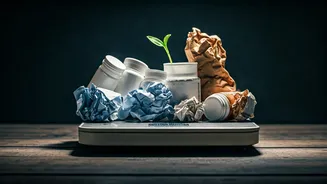
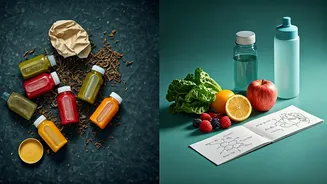
supplement with vague claims, or a punishingly restrictive diet plan. This wasn't just a trend; it was a multi-billion dollar industry built on the promise of a shortcut. The message was simple and seductive: your body is a problem that needs a quick, marketable solution. Disciples of this movement weren't just selling products; they were selling an identity. The 'that girl' aesthetic—waking up at 5 a.m. for green juice and a flawless workout—was presented not as one possible lifestyle, but as the only path to well-being. The problem? Most of it was nonsense, packaged beautifully. The detoxes were often just expensive diuretics, and the shortcuts led nowhere but back to the starting line, feeling more defeated than before.
The Great Wellness Burnout
Like any bubble, the shortcut economy was bound to pop. The backlash wasn't a single event but a slow, rolling wave of exhaustion and skepticism. Audiences grew tired of the endless cycle of restriction and guilt. The pandemic accelerated this shift, forcing millions to confront their health in more serious, fundamental ways. Suddenly, a 3-day juice cleanse seemed utterly trivial compared to building genuine immune resilience and mental fortitude. Furthermore, a growing chorus of journalists, doctors, and consumer advocates began pulling back the curtain on the wellness industry's dubious claims. High-profile exposés and documentaries revealed the lack of scientific backing for many popular products and the sometimes-harmful effects of extreme cleanses. Users started asking tougher questions: Who is qualified to give this advice? What's the evidence? And why does this 'wellness' trend make me feel so bad about myself? The glossy facade began to crack.
Enter the Credentialed Experts
Into the void stepped a new kind of influencer: the one with letters after their name. Registered dietitians (RDs), medical doctors (MDs), and certified personal trainers (CPTs) began carving out huge followings on platforms like TikTok and Instagram, often by directly debunking the very myths the last generation of influencers promoted. Their content isn't about selling a magical powder; it's about explaining the science of metabolism, the importance of fiber, or the psychology of habit formation. They use the platforms' short-form video formats not for aspirational montages, but for bite-sized, evidence-based lessons. Creators like Dr. Idrees Mughal (@dr_idz) and registered dietitians such as Abbey Sharp have gained millions of followers by breaking down complex health topics into accessible, actionable advice. Their authority comes not from a perfect aesthetic, but from their expertise and their commitment to transparency.
Why 'Slow and Steady' Is the New Viral
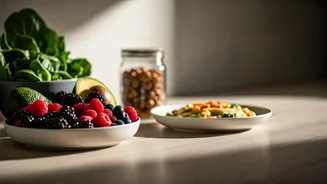
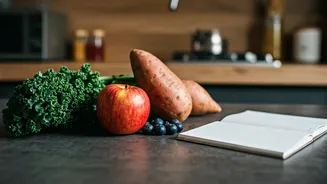
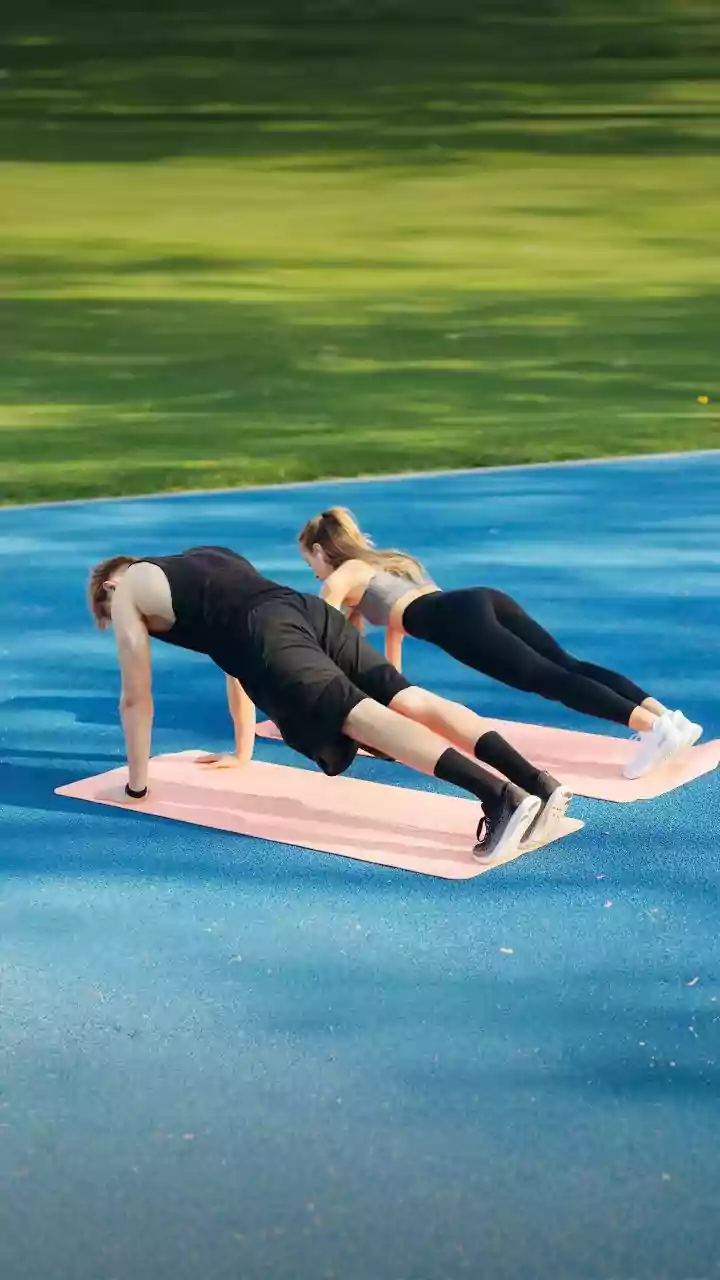
The new ethos resonating with audiences is one of sustainability and self-compassion. The message has shifted from 'fix your broken body' to 'learn to nourish the body you have.' This content is inherently less glamorous. It’s about adding vegetables to your plate, not eliminating entire food groups. It’s about finding joyful movement, not punishing yourself at the gym. It’s about consistency over intensity. And it's working. This shift reflects a broader cultural desire for authenticity. After years of curated perfection, people are hungry for something real. The 'anti-wellness' or 'pro-real-wellness' movement acknowledges that health is messy, non-linear, and deeply personal. It’s not about a before-and-after photo; it's about building a foundation for feeling good for the rest of your life, not just for the next seven days.