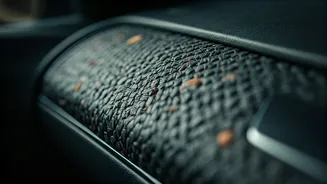








Why Your Next Car Might Be Trash
For decades, a car's interior was a predictable landscape of leather, plastic, and chrome. But a significant shift is underway, driven by a perfect storm of consumer demand, stricter environmental regulations, and a powerful marketing opportunity. Automakers
are in a race to prove their green credentials, and the materials inside the car are the most tangible evidence they can offer a driver. This isn't just about feeling good; it's a strategic business move. Using recycled content helps car companies meet corporate sustainability goals, appeal to a younger, eco-conscious demographic, and innovate their supply chains. In an era where electric vehicles are grabbing headlines, the quiet revolution happening in dashboards, carpets, and seat fabrics is just as important for the industry's future.
From Ocean Waste to Floor Mats
One of the most compelling examples of this trend is the use of reclaimed ocean waste, particularly abandoned fishing nets. These so-called “ghost nets” are a major source of ocean pollution. Now, companies are transforming them into high-quality materials. A prime example is Econyl, a type of regenerated nylon made entirely from waste products like old carpets and fishing nets. Premium brands like BMW and Volvo are using Econyl to create durable and surprisingly luxurious floor mats and interior carpeting. Ford has taken a similar path, engineering small but crucial components like wiring harness clips from 100% recycled ocean plastics. While a small clip may seem insignificant, producing millions of them from waste instead of petroleum-based virgin plastic represents a meaningful change in manufacturing philosophy and a reduction in the industry's environmental footprint.
Uncorking New Possibilities
The innovation doesn’t stop with plastic. Automakers are exploring a wide range of natural and recycled materials that offer unique benefits beyond sustainability. Cork, for instance, is appearing in the interiors of brands like Mazda and Polestar. It's lightweight, an excellent sound and vibration dampener, and can be harvested from cork oak trees without harming them, making it a highly renewable resource. Elsewhere, the plastic water bottles you toss in the recycling bin are being given a second life as seat fabrics, headliners, and insulation. Automakers have found that fabric made from recycled polyethylene terephthalate (PET) is not only strong and easy to clean but also requires significantly less energy to produce than virgin polyester. These materials aren't just eco-friendly substitutes; in many cases, they offer performance characteristics that are equal to or even better than their traditional counterparts.
The Bumpy Road to Full Sustainability
While this trend is a major step forward, it’s important to keep it in perspective. The automotive industry remains one of the most resource-intensive businesses on the planet. Using recycled materials for interior trim doesn't erase the massive carbon footprint of steel, aluminum, and battery production. Critics also raise valid concerns about “greenwashing,” where a company’s marketing of sustainable materials may overstate their overall environmental impact. The challenge for automakers is scale and consistency. Sourcing, cleaning, and processing waste materials into automotive-grade components that meet strict safety and durability standards is a complex logistical puzzle. For these innovations to be more than just a marketing footnote, they must become the default, not the exception. The goal is to create a truly circular economy within the auto industry, where old car parts and other waste streams become the primary source for new vehicles.