


The Himalayan Answer to the Alps
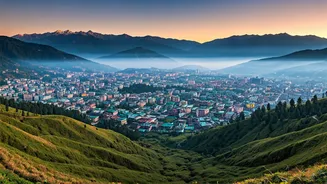
Tucked away in the northeastern corner of India, in the state of Sikkim, lies Gangtok. Perched on a ridge at over 5,400 feet, this city isn’t just a gateway to the Himalayas; it's a destination that delivers the same jaw-dropping mountain majesty as its
European counterparts, but with a character and price tag all its own. For American travelers accustomed to thinking of alpine getaways in terms of Switzerland, France, or even Colorado, Gangtok presents a compelling, budget-friendly alternative. It’s a place where the scale of the scenery is matched only by the warmth of the culture, offering a profound sense of discovery that goes beyond a simple vacation.
Scenery That Rivals Switzerland
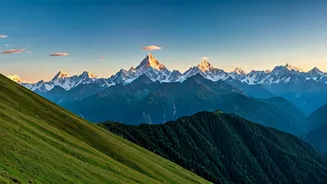
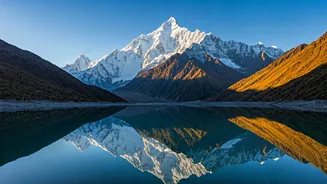
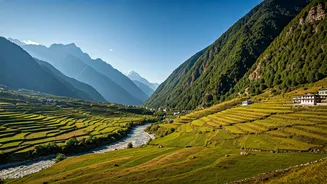
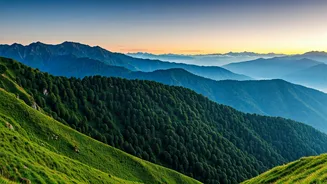
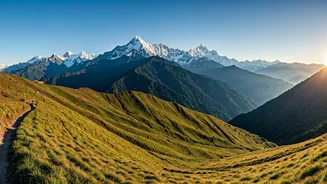
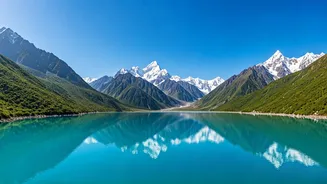
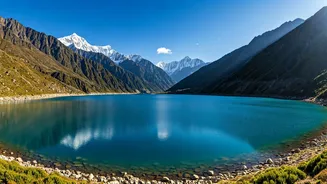
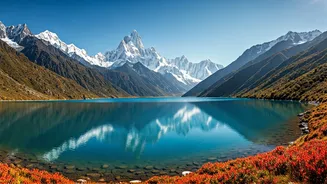
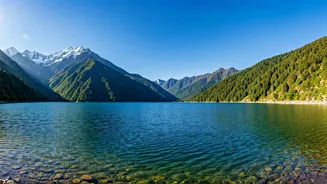
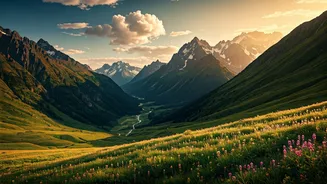
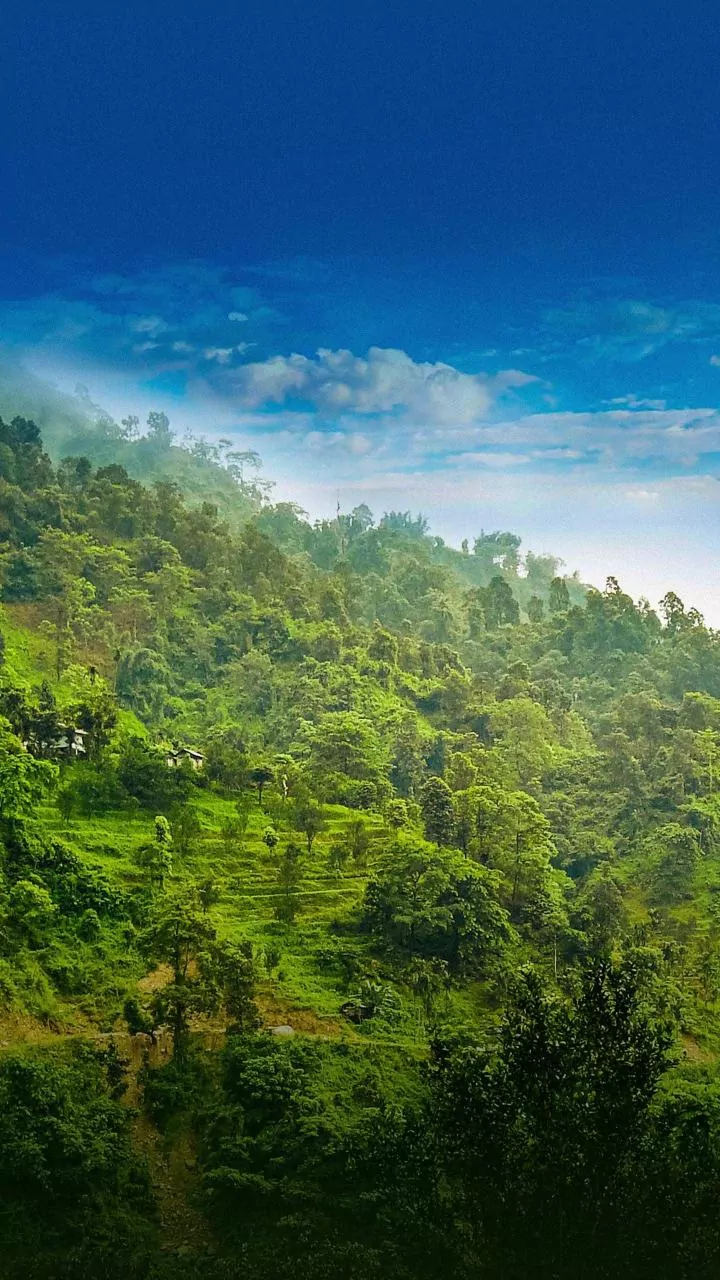
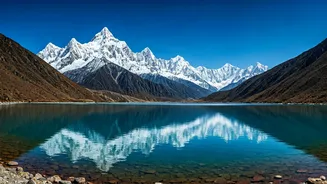
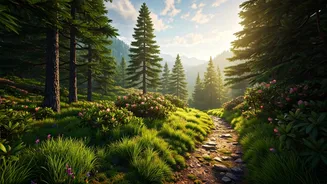
Let’s be clear: the views here are world-class. Gangtok and its surrounding areas offer staggering panoramas of Kanchenjunga, the third-highest mountain on Earth. Imagine waking up, sipping a cup of local Temi tea, and watching the sun paint the snow-capped peaks in hues of gold and pink. This isn't a distant, hazy view; it's an omnipresent, awe-inspiring backdrop to your entire trip. Beyond the main event, you'll find verdant terraced hillsides, plunging valleys filled with rhododendron forests, and pristine glacial lakes like Tsomgo Lake, whose turquoise waters reflect the sky at 12,313 feet. The landscape has all the dramatic grandeur of the Alps, but it feels wilder, less manicured, and infinitely more expansive.
Adventure Without the Hefty Price Tag
In a well-known European resort, a single day of activities can easily set you back hundreds of dollars. In Gangtok, your adventure budget stretches exponentially further. The city’s cable car, which glides over the urban landscape with the Himalayas in the background, costs only a few dollars. Hiring a private car and driver for a full-day excursion to Tsomgo Lake and the Nathu La Pass on the Chinese border is remarkably affordable, especially when split between a few people. Trekkers can embark on multi-day journeys through landscapes dotted with tiny villages and monasteries for a fraction of the cost of a guided hike in the Rockies. Whether it's paragliding over valleys or white-water rafting on the Teesta River, the barrier to entry is thrillingly low.
A Deeper Cultural Immersion
While a trip to Zermatt is about cheese fondue and cuckoo clocks, a trip to Gangtok offers a rich tapestry of Tibetan Buddhist culture. The air buzzes with the hum of prayer wheels and the sight of colorful prayer flags fluttering in the wind. You can spend an afternoon exploring the majestic Rumtek Monastery, one of Tibetan Buddhism’s most significant centers, or wander through the serene grounds of the Enchey Monastery. The local cuisine is a delicious fusion of Nepali, Tibetan, and Sikkimese flavors; you can feast on steaming momos (dumplings), hearty thukpa (noodle soup), and unique local dishes for just a few dollars a meal. This layer of cultural depth provides a richness to the travel experience that a purely nature-focused Western resort can’t always match.
The Unbeatable Bottom Line
This is where Gangtok truly shines for the budget-conscious traveler. While a mid-range trip to the Swiss Alps could easily cost $250-$400 per person per day, a comfortable and exciting trip to Gangtok can be managed for under $70 a day. Clean, comfortable guesthouses and hotels are widely available for $25-$50 per night. A delicious and filling meal often costs less than $5. When you realize that the cost of a single dinner in an alpine resort town could fund two or three full days of food, lodging, and activities in Gangtok, the value proposition becomes undeniable. It’s not about being cheap; it’s about being smart, enabling a longer, richer, and more memorable journey without draining your bank account.