




The Soul of 'Home-Cooked Food'
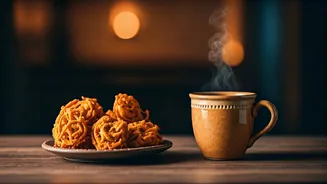
Ghar ka khana is more than just a meal; it's a language of love, a anchor of identity. For first- and second-generation immigrants in the U.S., the scent of sizzling cumin, the rhythmic patting of roti dough, and the bubbling of a pot of daal were the sensory
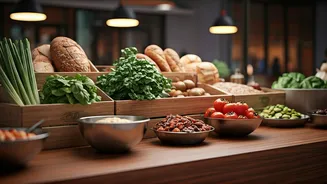
constants of home. These dishes—often unwritten recipes passed down through observation—represented a direct link to a homeland left behind. This food was nurturing and delicious, but it was often confined to the four walls of the family home. In a world that pushed for assimilation, the rich, aromatic foods of home were often a private affair, a stark contrast to the pizza and burgers of the school cafeteria.
Remixing the Recipe Book
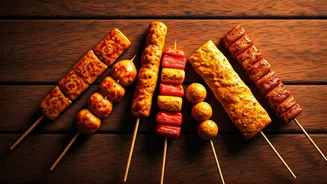
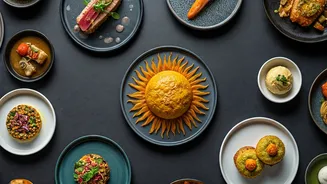
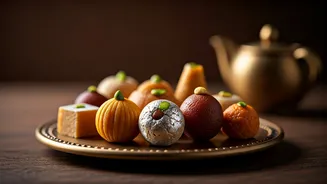
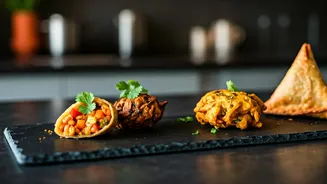
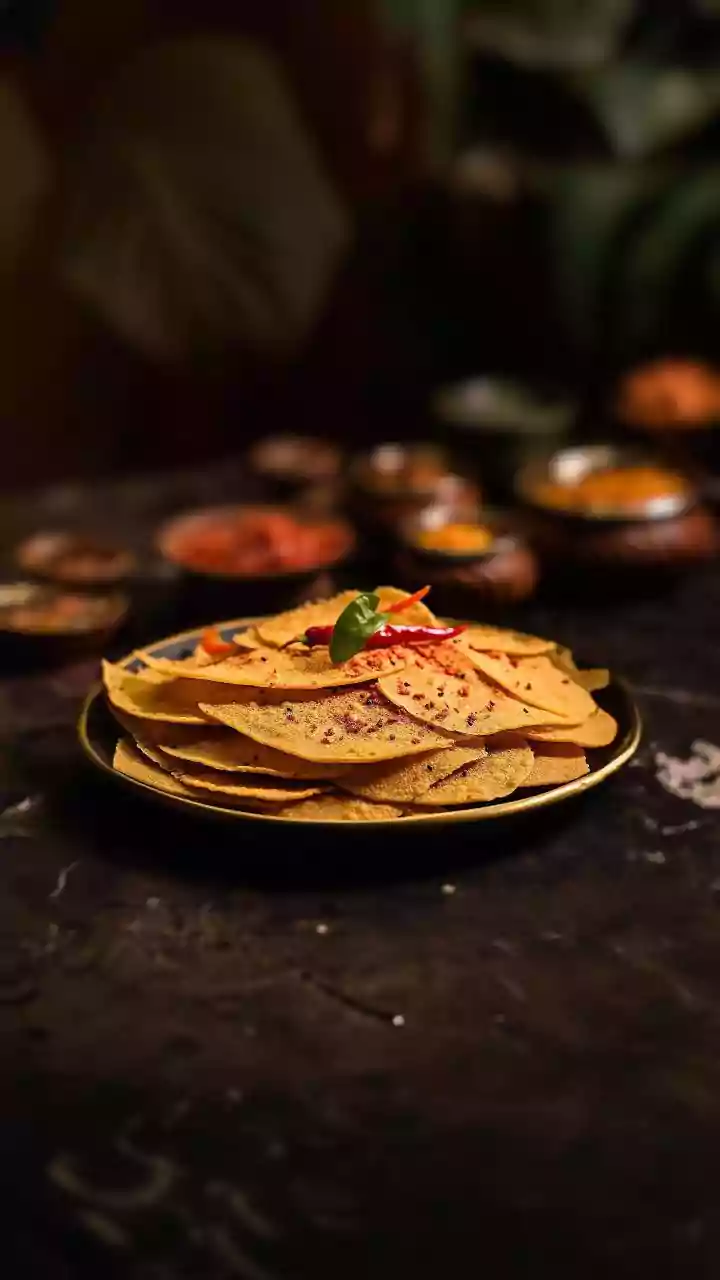
Enter Gen Z, the generation raised on TikTok, global connectivity, and a renewed sense of cultural pride. They aren't rejecting ghar ka khana; they're rebranding it. The “cooler” version isn’t about abandoning tradition but about filtering it through their own contemporary lens. This movement is visible all over social media. You’ll find meticulously styled “chaat-cuterie” boards replacing traditional cheese plates at parties, featuring crispy papdis, savory chutneys, and vibrant pomegranate seeds arranged with an artist’s eye. You’ll see viral videos demonstrating how to make a week’s worth of perfectly spiced chicken tikka for meal prep, or tutorials for making pani puri shots for a get-together. They’re using air fryers for samosas, Instant Pots for complex curries, and turning classic desserts like kheer into trendy ice cream flavors. It’s about making the food fit their lives—fast, visual, and shareable—without losing its soul.
From Lunchbox Shame to Culinary Pride
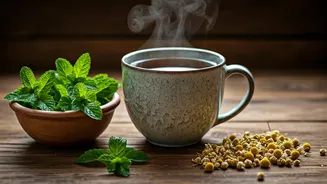
This trend is a powerful reclamation of an experience that many older millennials and Gen Xers know all too well: “lunchbox shame.” For decades, many South Asian kids dreaded opening their lunch at school, fearing judgment from classmates over the “smelly” but delicious food their parents had lovingly packed. They begged for Lunchables to avoid the othering stare. Today’s young creators are flipping that script entirely. By showcasing their food with confidence and creativity, they are transforming what was once a source of anxiety into a badge of honor. They’re not just eating the food; they’re celebrating it, explaining its origins, and positioning it as aspirational. A turmeric-laced dish isn't just delicious; it’s part of a wellness aesthetic. A complex curry isn't just comforting; it’s a culinary project worthy of a cinematic TikTok edit.
A Bridge Between Worlds
At its heart, this movement is about identity. For many third-culture kids—children raised in a culture different from their parents'—food is one of the most tangible connections to their heritage. While they may not speak their ancestral language fluently or have lived in their parents’ home country, they can master their grandmother’s biryani recipe. By cooking and sharing this food on their own terms, they are actively defining what it means to be South Asian American in the 21st century. It’s a hybrid identity, one that honors the past while being firmly planted in the present. This isn't just about making food look good for the camera; it's about building community, educating others, and preserving culture in a living, breathing, and evolving form.