

The Backlash Against the 'Instagram Look'
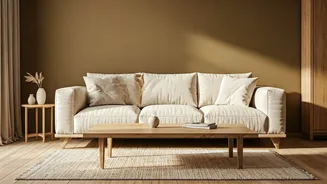
For years, the ideal home presented on social media was one of impeccable, minimalist neutrality. Think gray velvet sofas, pristine white walls, and a few carefully chosen (and often mass-produced) decorative objects. It was clean, aspirational, and replicable.
But a quiet rebellion has been brewing. Designers and homeowners alike are growing tired of the aesthetic that feels more like a hotel lobby or a staged online listing than a lived-in space. This fatigue is fueling a pivot away from visual perfection and toward something with more heart: the artisanal. This isn’t just about aesthetics; it's a reaction to the homogeneity that “Instagrammable” design created. When everyone’s home starts to look the same, the desire for individuality and authenticity naturally resurfaces. We’re moving from spaces designed to be photographed to spaces designed to be inhabited, flaws and all.
What 'Artisanal' Really Means for Your Home
The word “artisanal” can sound intimidating, often associated with high price tags and exclusive galleries. But in this context, its meaning is much broader and more accessible. An artisanal piece is any object that carries a story, displays a human touch, and breaks from the mold of mass production. It’s the opposite of the “lifeless showpiece”—an item chosen purely for its trendiness or ability to fill a space.
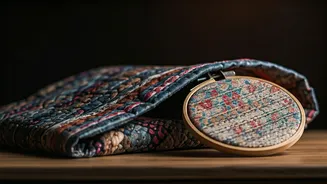
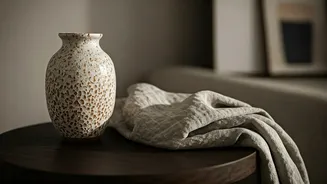
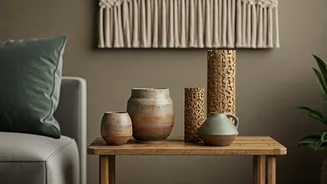
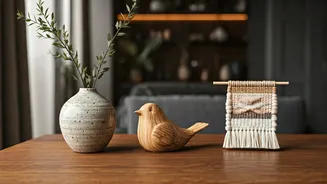
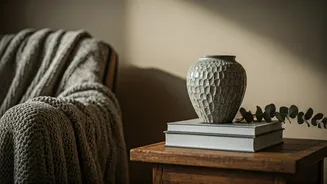
This could be a ceramic mug with slight imperfections from a local potter, a vintage oil painting found at a flea market, a hand-knotted rug passed down from a grandparent, or a lumpy-but-loved vase you made in a pottery class. The value isn't in its monetary worth but in its narrative. It’s the texture, the history, and the visible evidence that a human hand, not a machine, brought it into the world. It’s about choosing character over conformity.
A Deeper Search for Meaning and Connection
The pandemic dramatically shifted our relationship with our homes. They became our offices, schools, gyms, and sanctuaries. As we spent unprecedented amounts of time within our own four walls, many of us began to see them differently. The impersonal decor that once seemed chic now felt cold. We started craving comfort, warmth, and a tangible connection to the world outside.
This craving is a major driver behind the artisanal trend. Surrounding ourselves with objects that have meaning—that were made by a person we can support, that remind us of a place we’ve been, or that connect us to our own family history—is a powerful way to make a house feel like a home. Each piece becomes a small anchor of identity in an often overwhelming world. It’s a form of nesting that’s less about decorating and more about curating a personal biography told through objects.
The Slow Fade of 'Fast Furniture'
Just as the fashion world has reckoned with the environmental and ethical costs of “fast fashion,” the design world is having a similar conversation about “fast furniture.” The lifeless showpieces being replaced are often the products of this system: trendy, cheaply made items designed to be replaced in a few years when the next style comes along. They fill landfills and lack the durability and soul of their more thoughtfully produced counterparts.
Choosing an artisanal piece is often an inherently more sustainable choice. Whether it's a well-made new item from a small maker or a pre-loved vintage find, these objects are typically built to last. This shift represents a move toward a “slow decor” mindset: buying fewer, better things and investing in pieces that will bring joy and utility for decades, not just a single season.