

Defining the 'Rainy-Day Plate'
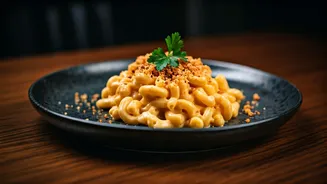
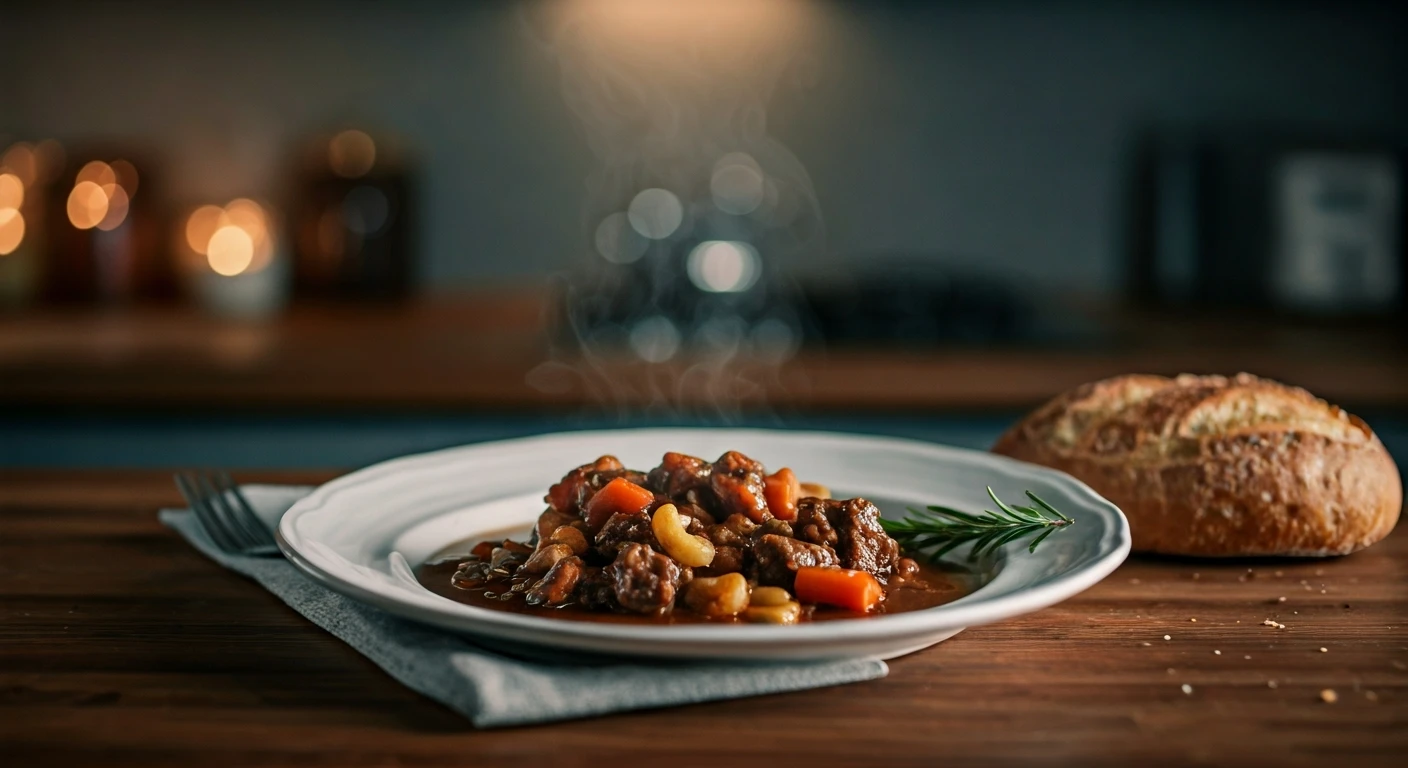
So, what exactly is a “rainy-day plate”? It’s not just any old comfort food. Forget the sad, microwaved mac and cheese of your college years. This is the food of memory, elevated. Think of a perfectly braised short rib so tender it collapses under a fork,
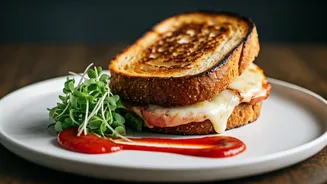
served over creamy, stone-ground polenta. Imagine a chicken pot pie with a flaky, all-butter crust that shatters into a rich, velouté-style gravy studded with root vegetables. Or a cassoulet that has been simmering for hours, its flavors deepening into something profound. These dishes are defined by their generosity and their soul-warming capabilities. They are often rustic in appearance but rely on serious culinary technique. The goal isn’t to dazzle with abstract shapes or foams, but to deliver an almost primal sense of satisfaction. It’s food that feels like a hug from the inside—unfussy, honest, and deeply delicious.
The Pendulum Swings Back
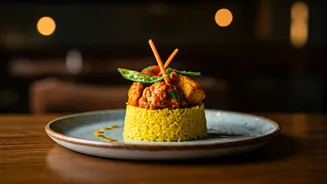
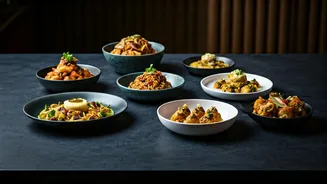
For the better part of two decades, high-end dining was dominated by a different philosophy. Influenced by movements like molecular gastronomy, a meal was often an intellectual exercise. Chefs were scientists, armed with tweezers, liquid nitrogen, and hydrocolloids. Dishes were deconstructed, minimalist, and served in a dozen tiny, intricate courses. It was exciting and boundary-pushing, but for many diners, it could also feel sterile and detached. Now, the pendulum is swinging back. In kitchens across the country, chefs are rediscovering the power of simpler, more direct flavors. They are trading in their immersion circulators for Dutch ovens and leaning into time-honored techniques like braising, roasting, and slow-cooking. This isn’t a rejection of skill; it’s a re-channeling of it. It takes just as much talent to perfect a pot roast as it does to create a delicate gelée, but the emotional payoff is entirely different. The focus has shifted from impressing the mind to comforting the soul.
Why Now? A Collective Craving for Comfort
This shift isn't happening in a vacuum. It’s a direct response to the world we live in. After years of global uncertainty, economic anxiety, and social upheaval, we’re all a little worn out. People are seeking authenticity and connection, and that extends to what’s on their plates. A fancy, conceptual dish can be thrilling, but it doesn’t offer the same sense of grounding and security as a bowl of handmade pasta with a slow-simmered ragu. Furthermore, this trend speaks to an economic reality for both diners and restaurants. Heartier dishes often rely on more affordable cuts of meat (like shanks, shoulders, and brisket) and humble vegetables that become magical when treated with time and care. For diners, it offers a sense of value—a substantial, satisfying meal that feels both special and worthwhile. For chefs, it’s a way to deliver incredible flavor and craftsmanship without relying solely on prohibitively expensive luxury ingredients.
The New Face of Aspiration
What’s most interesting about this movement is that it reframes what we consider “aspirational” dining. For years, ambition in food was equated with exclusivity and complexity. Today, for a growing number of people, the ultimate luxury isn’t a microscopic portion of a rare ingredient; it’s a perfectly executed classic that reminds them of something good. It’s a chef looking you in the eye and saying, “I made this for you, to make you feel good.” The rainy-day plate isn’t a step backward; it’s a thoughtful evolution. It’s a recognition that the most powerful ingredient in any dish is its ability to evoke emotion. These chefs are using their immense talent not to show off, but to connect. They’re creating food that is both technically brilliant and emotionally resonant, proving that sometimes, the most sophisticated thing a chef can do is cook a simple, beautiful meal that makes you feel at home.