



Embrace the Rhythm, Not the Raincoat
The biggest rookie mistake is thinking a good raincoat is a monsoon strategy. It’s not. The real pro move is understanding the daily rhythm of the rain. In many monsoon destinations, like Thailand or Costa Rica, the rain isn’t an all-day affair. It’s often
a predictable, intense downpour in the late afternoon. The flex isn’t staying dry; it’s structuring your day around the weather. Plan your big outdoor adventures—like temple visits or jungle treks—for the morning. As the clouds gather around 2 or 3 p.m., be heading for your “indoor” activity. This isn’t a concession; it's the plan. That afternoon shower is your scheduled cue for a cooking class, a long museum visit, a spa treatment, or a session at a local coffee shop. You’re not getting rained out; you’re transitioning to the next phase of your perfectly timed day.
Pack for Humidity, Not Just Water
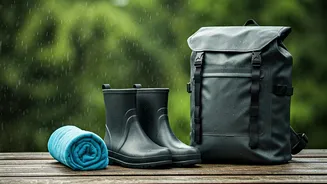
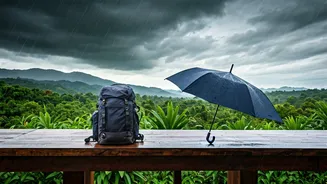
Everyone packs a rain jacket. But the humidity is the real enemy. That heavy-duty Gore-Tex shell that serves you well on a drizzly Seattle day will turn into a personal sauna in 95% humidity. Instead, think light and fast-drying. A lightweight, breathable poncho or a travel umbrella is often better for short dashes. The essential gear list includes: moisture-wicking synthetic fabrics (leave the cotton at home, it will never dry), multiple pairs of quick-dry socks, and open-toed, waterproof footwear like high-quality sandals or EVA slides. Your shoes will get wet; the goal is for them to dry overnight. A dry bag isn’t just for kayakers—it’s non-negotiable for protecting your phone, camera, and passport inside your main backpack. Packing smart isn't about building a fortress against water; it’s about accepting you’ll get damp and ensuring you can get dry and comfortable quickly.
Build a Flexible Itinerary
Monsoon season is the enemy of the rigid, minute-by-minute travel plan. Ferries get canceled due to rough seas, rural roads become mud pits, and that scenic viewpoint you wanted to hike to might be permanently shrouded in fog. The ultimate flex is embracing uncertainty. Instead of pre-booking every single transfer and tour, build a hub-and-spoke model. Settle into a town for a few extra days and take day trips when the weather allows. Have a “Plan A” (sunny day hike) and a “Plan B” (rainy day market exploration) for every location. Use booking platforms that offer free cancellation, even if they cost a few dollars more. This resilience is what separates a frustrating trip from a true adventure. When a flash flood grounds your bus, you’re not panicking—you’re calmly booking an extra night and enjoying the unexpected downtime.
Choose Your Destination Wisely
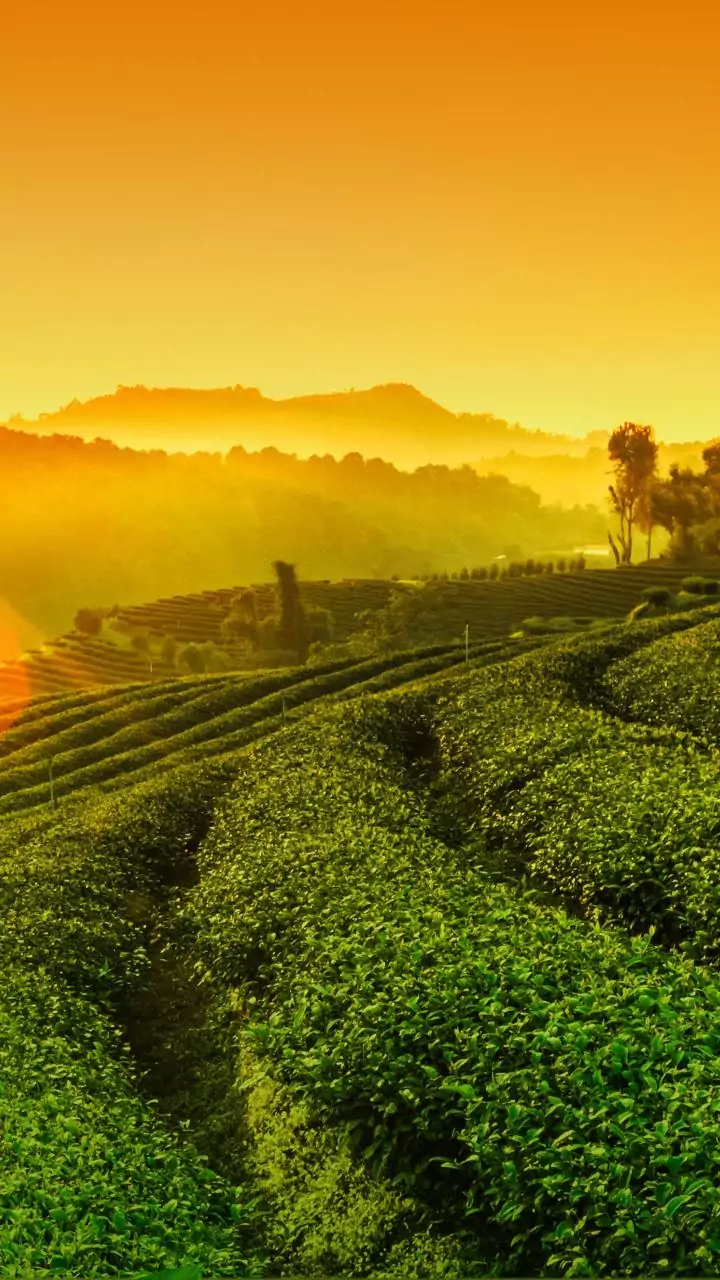
Not all monsoon seasons are created equal. Some destinations are genuinely miserable during the peak rainy season, with widespread closures and unrelenting storms. Others come alive. The rice terraces of Bali or Vietnam, for instance, are never greener or more breathtaking than during the wet season. The North American monsoon brings dramatic, light-filled thunderstorms to the deserts of Arizona and New Mexico, a spectacular sight for photographers. Do your research. Look for places where the rain enhances the beauty and the tourist infrastructure is built to handle it. For example, some sides of an island might get significantly more rain than others. In Thailand, when the Andaman coast (Phuket, Krabi) is getting slammed by the monsoon, the Gulf coast (Koh Samui, Koh Phangan) is often sunnier. A smart traveler doesn’t just pick a country; they pick the right region for the right month.
Lean Into the Off-Season Perks
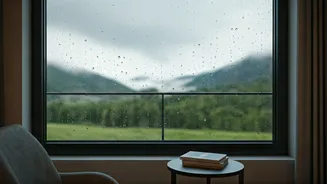
The final, and perhaps most satisfying, part of a great monsoon strategy is reaping the rewards. The rain scares away the crowds. That iconic temple you’ve seen mobbed with tourists on Instagram? You might have it almost to yourself, with misty clouds adding a layer of mystique. Prices for flights and high-end hotels can plummet. You can afford a nicer room with a better view—perfect for watching a storm roll in. Locals are often more relaxed, and you can have more authentic interactions without the frantic pace of peak season. Framing the trip this way changes your mindset. You’re not just tolerating the off-season; you’re exploiting it. The rain isn’t a bug; it’s a feature that grants you fewer crowds, lower prices, and a more serene, atmospheric experience.