
Anatomy of an Irresistible Snack
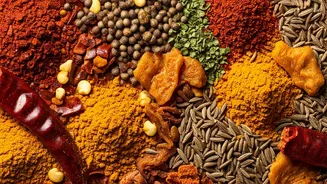
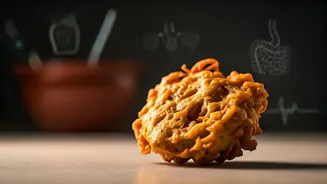
For the uninitiated, a pakora is a fritter, but calling it that is like calling a diamond a shiny rock. It doesn’t capture the magic. The foundation is a simple batter of gram flour (besan), seasoned with turmeric, chili powder, ajwain (carom seeds),
and other spices. Into this golden slurry go vegetables—thinly sliced onions, slivers of potato, spinach leaves, cauliflower florets, or even long green chilies. Each piece is then dropped into a wok of shimmering, hot oil, where it sizzles and spits until it emerges as a craggy, golden-brown nugget of pure joy. Served with a side of mint-coriander chutney or a sweet-and-sour tamarind sauce, the pakora is a masterclass in texture and flavor: a crunchy exterior giving way to a soft, savory interior, with a lingering warmth from the spices. It’s simple, accessible, and endlessly variable, made in home kitchens and by street-side vendors with equal passion.
The Soul of Monsoon Season
The connection between pakoras and rain is more than a culinary habit; it’s a deep-seated cultural reflex. In the U.S., a cold day might call for chili or mac and cheese. In India, a downpour demands the comforting crunch of something fried. The pakora is the centerpiece of this ritual. It’s a social food, meant to be shared. Families gather around the stove, grabbing fritters as they come out of the oil, too impatient to let them cool. Office workers huddle under awnings at their favorite street stall, a temporary truce declared in the daily hustle. The pakora is not just food; it's the edible embodiment of a mood. It represents warmth against the damp chill, a moment of communal pleasure, and a delicious excuse to pause and watch the world get washed clean. This emotional connection elevates it from a mere snack to an essential part of the cultural tapestry.
The Unavoidable Health Warning
And yet, there’s the part our gut—and our doctor—warns us about. No matter how much tradition is baked in, a pakora is still a deep-fried food. Nutritionists are clear about the downsides of a diet heavy in such items. The high heat of deep-frying can create unhealthy trans fats, and the oil-soaked batter delivers a significant caloric punch with limited nutritional payback. Consumed in excess, foods like pakoras contribute to the very health issues that are on the rise globally: weight gain, high cholesterol, and heart problems. The heavy, sometimes greasy feeling after indulging in a few too many is a familiar physical reminder of this reality. This creates a modern dilemma: how do you reconcile a cherished cultural tradition with an increased awareness of health and wellness? For many, the answer lies in a cognitive dissonance we all practice—acknowledging the risk but deciding, in the moment, that the reward is worth it.
Why Love Wins Every Time
This is precisely why the warnings, however valid, fail to dent the pakora’s popularity. Its appeal isn't logical; it's emotional. We don't eat pakoras for their vitamin content. We eat them for the memories they evoke, the comfort they provide, and the connection they foster. In an increasingly health-conscious world, many Indian households now experiment with “healthier” versions—baked, air-fried, or pan-seared. But these are widely regarded as pale imitations, lacking the soul and satisfying crunch of the real thing. The love for pakoras endures because it’s not a daily habit for most; it’s a calculated indulgence, a treat reserved for special moments like a rainy day or a family gathering. It’s a small rebellion against the constant pressure to optimize our diets, a reminder that sometimes, food is meant to nourish the soul, not just the body. The decision to eat a pakora is a conscious choice to prioritize joy, tradition, and taste over nutritional purity.