
Moving Past the Takeout Menu
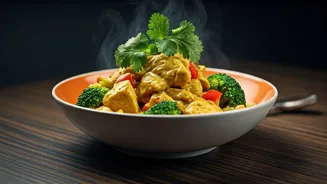
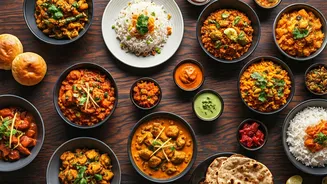
For many Americans, "Indian food" has long been synonymous with a handful of restaurant classics: chicken tikka masala, saag paneer, and mountains of naan, often served from a steam-table buffet. These dishes, while delicious, created an impression of a cuisine
that was uniformly rich, heavy, and far too complex for the average home kitchen. The ingredient lists seemed endless, the techniques mysterious. The result was a mental barrier that relegated one of the world's most diverse culinary traditions to a weekend takeout treat rather than a weeknight possibility. But that perception is rapidly becoming outdated. The conversation around Indian cooking in the U.S. is undergoing a seismic shift, driven by a new generation of chefs, cookbook authors, and social media creators who are actively dismantling these myths. They are not 'dumbing down' the cuisine; they are re-interpreting it for a modern, global audience that values flavor but is short on time.
The Weeknight Dinner Revolution
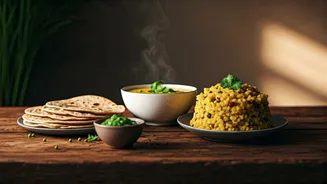
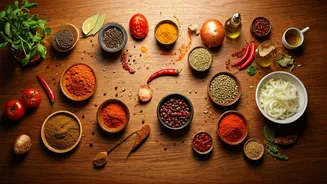
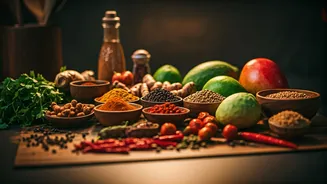
Perhaps the most significant trend is the focus on practicality. Today’s popular Indian recipes are designed to fit into a busy American lifestyle. Think one-pot dals that come together in an Instant Pot in under 30 minutes, sheet-pan tandoori-style chicken, and simplified curries that don't require you to blend three separate pastes. Creators on platforms like TikTok and Instagram have gone viral with hacks for air-fryer samosas or quick-pickle recipes that add a burst of Indian flavor to any meal. This isn't about compromising on taste but about smart simplification. The focus has shifted to core techniques. Instead of listing 20 spices, a recipe might call for a pre-made garam masala and then teach the essential technique of a *tadka* (or tarka)—the sizzling of whole spices like cumin seeds and mustard seeds in hot oil or ghee, which is then poured over a dish to add a massive layer of flavor in seconds. It’s a game-changing trick that delivers maximum impact for minimal effort.
A Lighter, Brighter Approach
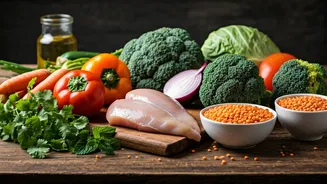
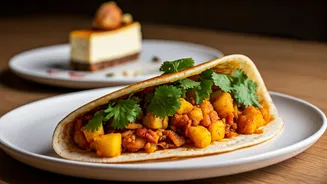
Another way recipes are 'reading the room' is by aligning with modern wellness trends. While restaurant-style Indian food can be laden with cream and butter, traditional home cooking in India has always been incredibly diverse, vegetable-forward, and adaptable. The new recipe trend reflects this reality. You'll now find countless recipes for lentil-based dishes that are naturally vegan and gluten-free, vibrant salads using Indian spices, and techniques for making classics like palak 'paneer' with tofu or potatoes instead of cheese. This isn't a new invention but a re-emphasis of the cuisine's inherent strengths. By highlighting the lighter, plant-based, and nutrient-dense side of Indian cooking, these recipes make the food feel more contemporary and less like a heavy indulgence. It’s a move that resonates with a U.S. audience increasingly focused on health without sacrificing flavor.
New Voices, New Narratives
Ultimately, this shift is about who is telling the story. A wave of Indian-American and South Asian diaspora food writers and influencers are bridging the cultural gap. Figures like Priya Krishna with her bestselling cookbook *Indian-ish* or creators like Chaheti Bansal on social media are translating their heritage for their peers. They cook the food they grew up with, but through the lens of an American kitchen and pantry. Their approach is personal and relatable. They acknowledge the challenges—like not having access to a specific ingredient or needing to get dinner on the table after a long day at work—and provide realistic solutions. They are building a more inclusive and less dogmatic vision of what Indian cooking can be. It’s not just about a recipe; it’s about a narrative that says, 'This is my food, and you can make it, too.' This confident, first-person storytelling has been instrumental in making the cuisine feel less foreign and more like a vibrant, accessible part of the American culinary landscape.