
Dismantling the Monolith
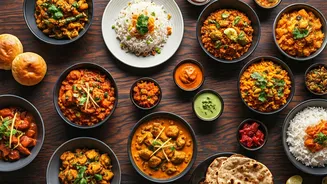
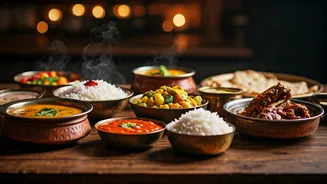
The phrase “Indian food” has long been a monolith in the American imagination, a catch-all for a complex culinary universe spanning dozens of distinct regions, languages, and traditions. Most diners were familiar with the Punjabi-influenced dishes that
dominated menus—chicken tikka masala, saag paneer, naan—delicious, but hardly representative of the entire subcontinent. This created a ceiling for the cuisine, relegating it to the realm of cheap, cheerful takeout rather than destination dining. Now, that perception is being systematically dismantled. Chefs from Kerala, Bengal, Goa, and beyond are refusing to water down their heritage. They are presenting dishes that are hyper-regional, intensely personal, and unapologetically bold. They are not just cooking food; they are teaching a masterclass in geography and culture, one plate at a time. The result is a vibrant, exciting scene where the world is finally waking up to the fact that Indian cuisine is not one story, but thousands.
The Michelin Stars Align
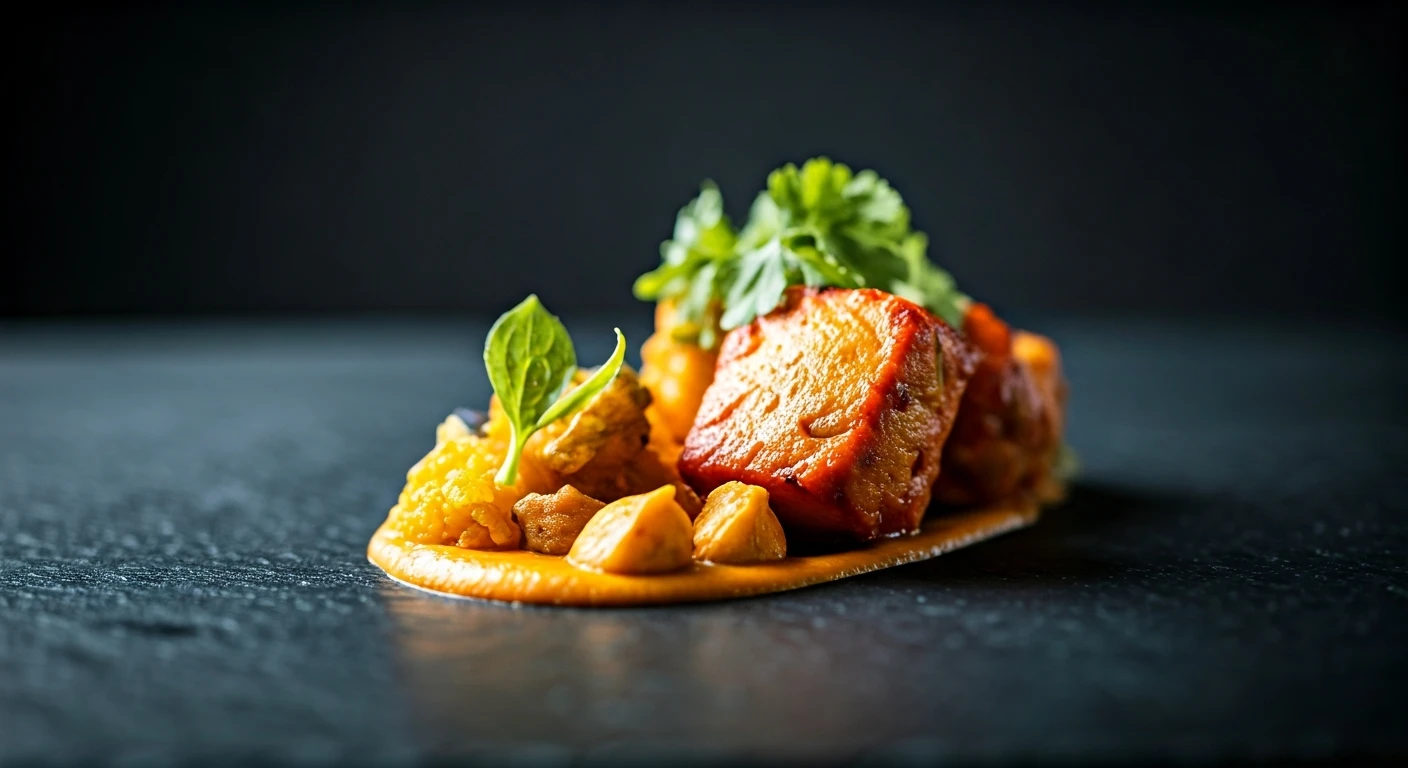
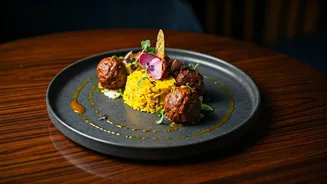
Nothing signals a shift in the culinary world quite like a Michelin star. In New York City, Chintan Pandya has become a phenomenon by doing the opposite of what was once expected. At his wildly popular restaurant Dhamaka, he focuses on the “unapologetic,” rustic, and often-overlooked dishes from the less-traveled corners of India. There is no chicken tikka masala on the menu. Instead, you’ll find goat neck biryani and paneer made with sour milk, dishes rooted in home cooking and street food. The restaurant’s success, crowned with a James Beard Award, proves that diners are not just ready for authenticity—they are craving it. Pandya and others like him are proving that Indian food doesn't need to be adapted for the Western palate to be celebrated at the highest level. It needs to be itself.
A Global Movement
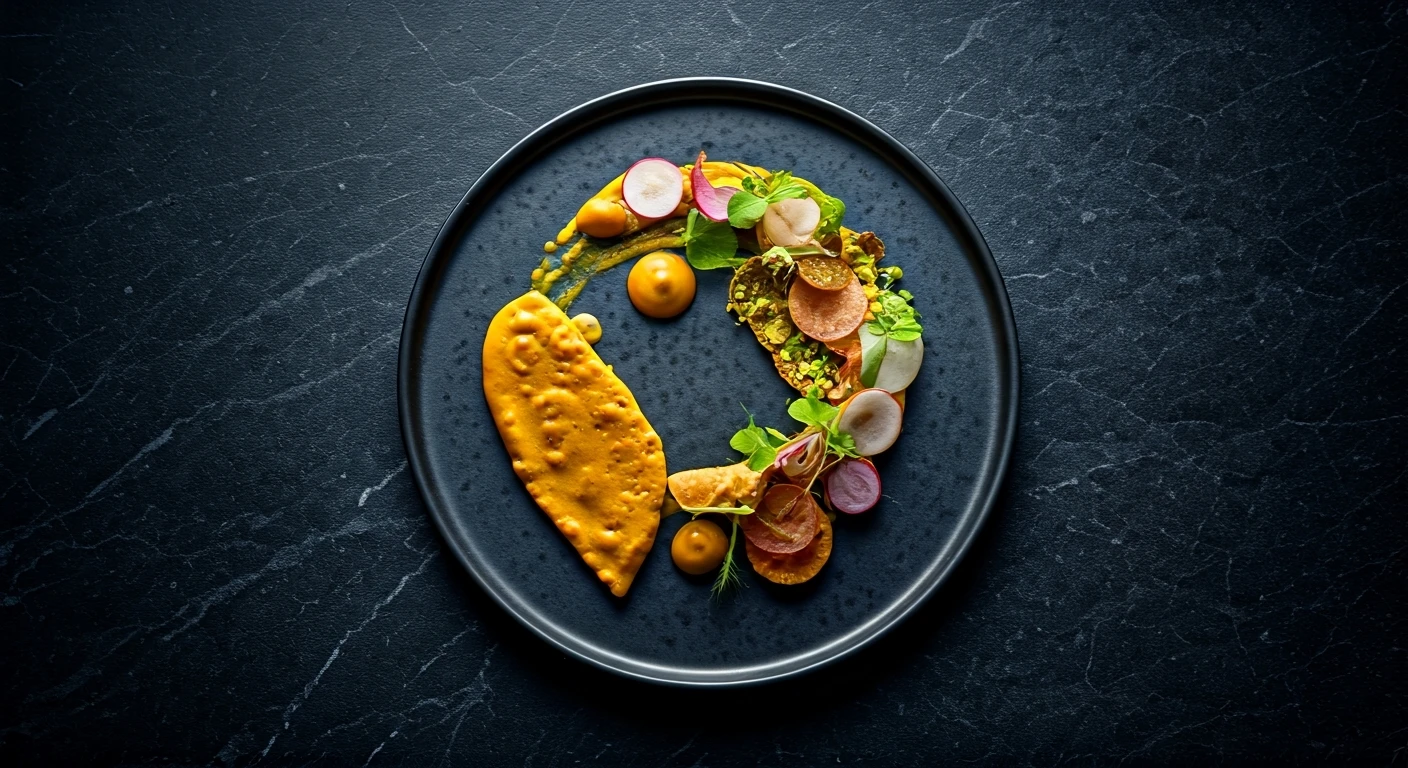
This culinary renaissance isn’t confined to the United States. In London, Asma Khan’s Darjeeling Express, staffed entirely by women, has become a global sensation, lauded for its home-style food and the powerful story behind it. In Bangkok, Gaggan Anand became a superstar by applying modernist, avant-garde techniques to Indian flavors, earning the top spot on Asia’s 50 Best Restaurants list four years in a row. His work shattered the notion that Indian cuisine was somehow incompatible with fine-dining innovation. These chefs, and many others, are not just participants in the global food scene; they are leaders. They are using their platforms to challenge stereotypes, champion sustainability, and create new opportunities. They are culinary ambassadors who are reshaping not just what we eat, but how we think about an entire culture.
Cooking with Confidence
What unites these chefs is a profound sense of confidence. They are part of a generation that is deeply connected to their roots but also globally aware. They are no longer seeking validation from the Western culinary establishment; they are building their own tables and inviting the world to join them. This isn't about fusion or watering things down. It's about reclamation—taking ownership of a narrative that has, for too long, been written by others. They are exploring forgotten grains, reviving ancestral recipes, and celebrating the humble vegetable with the same reverence once reserved for meat. By doing so, they are not only elevating their own cuisine but are also pushing the boundaries of what is possible in the kitchen, period. They are demonstrating that the specific can be universal, and that a story told with honesty and flavor needs no translation.