




What Is 'Cleaner' Fashion, Anyway?
Forget the days of dopamine dressing and algorithm-chasing aesthetics that lasted a single weekend. The “cleaner” fashion movement is about stripping things back. Think of it as the sartorial equivalent of a deep, cleansing breath. Aesthetically, it translates
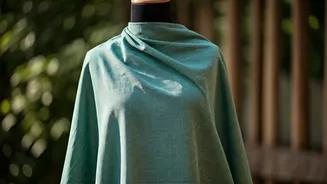
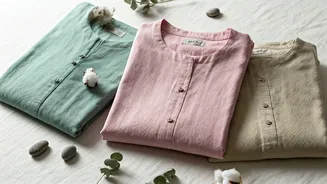
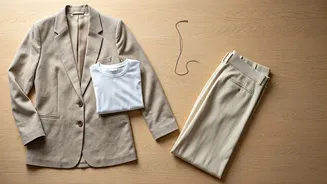
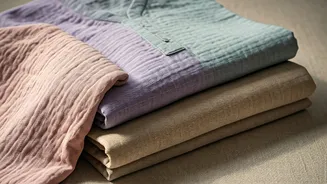
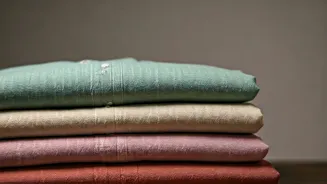
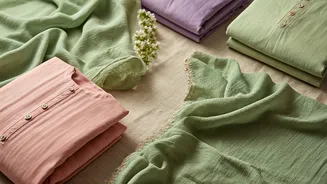
to a palette of neutrals: ecru, beige, crisp white, and soft black. Silhouettes are timeless and relaxed—wide-leg linen trousers, perfectly cut tank tops, unstructured blazers, and simple slip dresses. The emphasis is on natural, touchable fabrics like cotton, silk, and linen that feel as good as they look. It’s the antithesis of the loud, look-at-me logomania that dominated the late 2010s. This is fashion that whispers, drawing inspiration from related concepts like “quiet luxury” and the “clean girl aesthetic,” where polish comes from quality and fit, not from flashy branding or complicated styling.
A Palate Cleanser for a Chaotic World
So, why now? The rise of cleaner fashion isn’t happening in a vacuum. For many, it’s a direct and deliberate response to years of fashion fatigue. The relentless cycle of ultra-fast fashion, popularized by giants like Shein and fueled by TikTok hauls, created a culture of disposability. Trends burned hotter and faster than ever, leaving consumers with closets full of poorly made, quickly irrelevant clothing and a nagging sense of waste. Cleaner fashion offers an escape. It’s a move toward intentionality and longevity—investing in pieces you can wear for years, not just for a single Instagram post. In a world that feels increasingly chaotic and overwhelming, this aesthetic provides a sense of calm, control, and quiet confidence. It proposes that true style isn't about having more, but about having the *right* things.
Sustainability or Just an Aesthetic?
The word “clean” carries a double meaning. On one hand, it refers to the clean lines and minimalist look of the clothing. On the other, it gestures toward a “cleaner” conscience, implying sustainability and ethical production. This is where the trend gets complicated. While a focus on buying fewer, better things is inherently more sustainable than fast-fashion consumption, the “clean” aesthetic can also be co-opted as mere style. A minimalist outfit from a fast-fashion brand might look the part, but it doesn't address the underlying issues of production. True “clean” fashion involves asking deeper questions: Who made my clothes? What are they made of? Will this piece last? For many brands and consumers, the current trend represents a genuine shift toward more mindful consumption. For others, it’s simply the latest look, a minimalist wolf in sustainable sheep’s clothing.
The Unofficial Uniform of Summer
While the philosophy is deep, the uniform itself is beautifully simple. It’s built on a foundation of elevated basics. The key is finding the perfect version of each staple. Think of the perfect crisp, white oversized button-down, worn as a shirt or open over a tank top. There are the breezy, wide-leg linen pants that feel effortless from brunch to the beach. Footwear is often simple and chic, like a pair of minimalist leather slides or classic fisherman sandals. Accessories are chosen with care: a structured straw tote, delicate gold jewelry, and a pair of timeless sunglasses. It’s a look that feels both put-together and completely unbothered—the ultimate goal of summer style.