



The Last Quiet Place
For years, the Harsil Valley was little more than a scenic footnote on a sacred journey. Located in the Indian state of Uttarakhand, it sits along the well-trodden pilgrimage route to Gangotri, one of the four holy Char Dham sites and the mythological
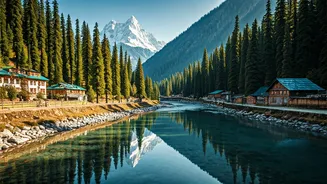
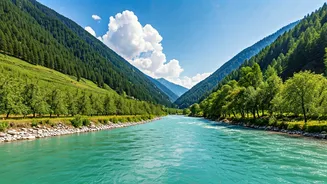
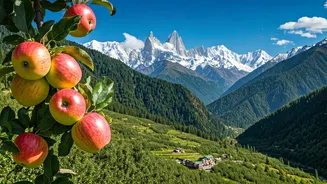
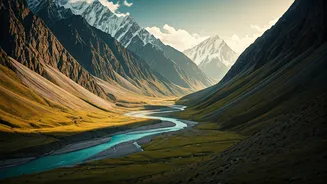
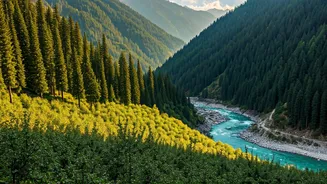
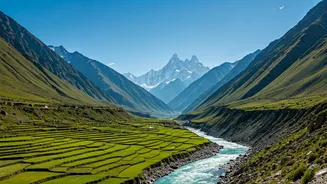
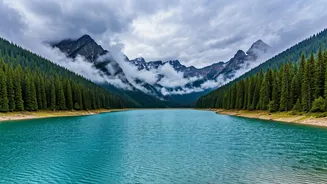
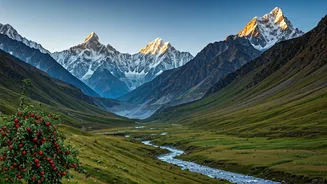
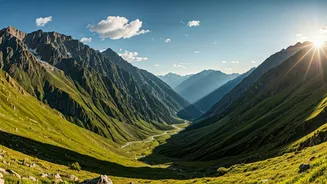
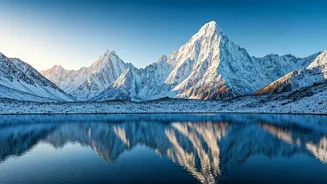
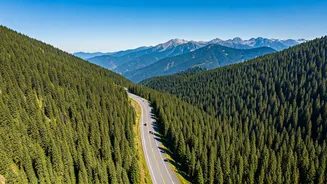
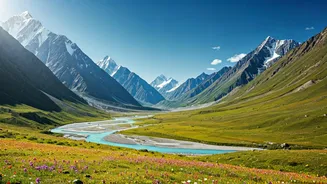
source of the Ganges River. While pilgrims bustled through, most travelers were focused on the spiritual destination ahead, leaving Harsil and its cluster of villages in a state of serene anonymity. The valley floor, cradled by snow-dusted peaks, is a stunning tapestry of dense deodar pine forests, terraced fields, and sprawling apple orchards. Through it all, the brilliant, turquoise Bhagirathi River—the headstream of the Ganges—carves a powerful path, its constant murmur the valley’s defining soundtrack. This is a place where time seems to follow the rhythm of the seasons, not the ticking of a clock.
From Pilgrim Stop to Traveler’s Secret
Historically, Harsil’s role was functional. It was a place for pilgrims to rest and acclimate to the high altitude before the final, arduous leg of their journey to the Gangotri temple, which sits at over 10,000 feet. The villages here, with their unique wood-and-stone architecture, offered simple lodging and warm food. But for the discerning traveler—the kind who looks for the turn-off that everyone else ignores—Harsil has been an open secret. It offered a glimpse of Himalayan life untouched by the commercialism that has overtaken more famous mountain towns. Its charm wasn't in flashy resorts or tourist markets, but in its quiet authenticity: walking through an apple orchard in bloom, sharing tea with a local family, or simply sitting by the river and watching the clouds drift over the mountains.
The Legend of 'Pahari Wilson'
Adding to the valley's mystique is the improbable story of Frederick E. Wilson, a 19th-century British adventurer who deserted the army and fled into the Himalayas. He found refuge in Harsil, where he eventually married a local woman, Gulabi, and became a timber baron of immense wealth and power, earning the nickname “Pahari Wilson” (Wilson of the Hills). He built a grand villa, minted his own currency, and, most consequentially, introduced commercial apple farming to the region. Today, Harsil’s crisp, juicy apples are famous throughout India, and Wilson’s legend lingers like mountain mist—a fascinating, slightly wild chapter in the valley’s history that hints at its long-standing connection to the outside world, even in its isolation.
Why It's Trending Now
So what changed? In a word: access. And desire. As Indian domestic tourism has exploded, travelers are actively seeking alternatives to crowded, over-developed destinations like Shimla and Manali. Social media has become a powerful discovery engine, with photos of Harsil’s storybook cottages and pristine landscapes going viral among travel influencers in Delhi and Mumbai. The pandemic also amplified a global craving for remote, nature-centric escapes. For American and international travelers, Harsil represents the next frontier—a destination that’s accessible yet still feels like a genuine discovery. It’s a place you hear about from a friend of a friend who just got back from a life-changing trip, not from a glossy brochure. This word-of-mouth buzz, amplified by the digital world, is what has turned this quiet valley into a trending topic.
The Double-Edged Sword of Discovery
For the communities in Harsil, this newfound fame is both a blessing and a curse. The surge in visitors brings economic opportunity, empowering local guesthouses, cafes, and guides. It provides a reason for the younger generation to stay rather than seek work in bigger cities. However, the whisper of “trending” can quickly become a roar. The very peace and authenticity that draw people to Harsil are threatened by the crowds. The fragile alpine ecosystem is vulnerable to pollution and unregulated construction. The challenge for Harsil is to navigate this delicate balance—to welcome the world without losing its soul. It’s a story playing out in quiet corners across the globe, from remote Italian villages to untouched beaches in Southeast Asia. How a place manages its moment in the spotlight determines whether it remains a treasure or becomes a tragedy.