


1. Go Vertical: The Untapped Dimension
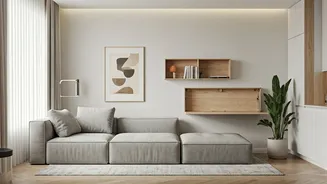
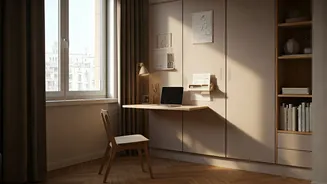
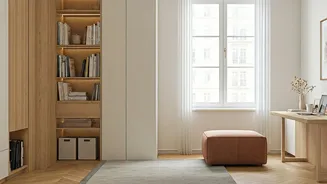
The most underutilized real estate in any small apartment is the wall space above eye level. Instead of letting it go to waste, think vertically. Floor-to-ceiling bookshelves not only provide immense storage but also draw the eye upward, creating an illusion
of height and spaciousness. Consider high-mounted shelves in the kitchen for lesser-used items, or a loft bed that elevates your sleeping area to open up valuable floor space for a desk or a cozy reading nook. This isn't just about adding shelves; it's about fundamentally rethinking the room's volume as a three-dimensional canvas.
2. Master the Art of Multi-Function
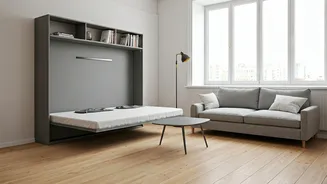
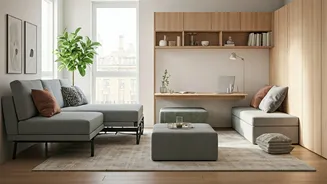
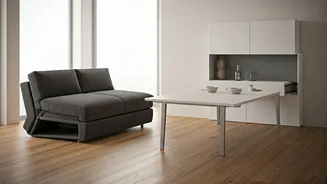
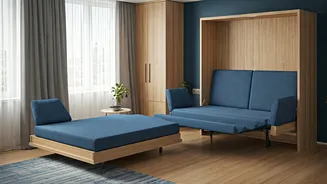
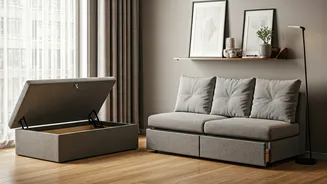
In a tiny apartment, every piece of furniture should work for its living. Single-use items are a luxury you can't afford. Seek out pieces that serve two or three purposes. A coffee table can have a lift-top that transforms it into a dining table or workstation. An ottoman can provide seating, a footrest, and hidden storage for blankets and magazines. A simple bench at the foot of the bed can be a place to put on shoes and store baskets underneath. This approach declutters your space by reducing the sheer number of objects needed to make it functional.
3. Create Zones, Not Walls
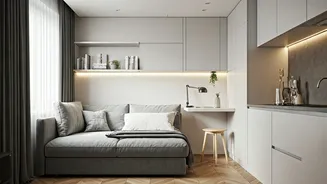
Studio apartments often feel like one big, confusing room. The key to making them feel larger and more organized is to create distinct 'zones' for different activities without building walls. Use area rugs to visually separate the living area from the sleeping space. A strategically placed open-backed bookshelf can act as a light-permeable divider, defining a home office area while still allowing for a sense of openness. Even the orientation of your sofa can create a psychological boundary, signaling a transition from the 'entryway' to the 'living room.' This zoning gives a small space the functional clarity of a much larger home.
4. Let There Be (Strategic) Light
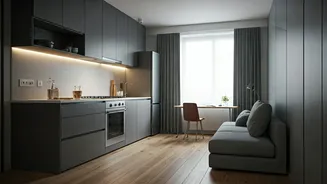
Good lighting is transformative, and in a small space, it’s non-negotiable. Heavy, dark curtains can make a room feel like a cave. Opt for sheer or light-colored window treatments that maximize natural light while maintaining privacy. Beyond the windows, a single overhead fixture is rarely enough. Layer your lighting with a mix of ambient (general), task (for reading or cooking), and accent (to highlight art or architectural features) sources. A well-placed floor lamp, a desk light, and a couple of small table lamps will add depth and warmth, making the space feel more dynamic and inviting.
5. The Magic of Mirrors and Cohesion
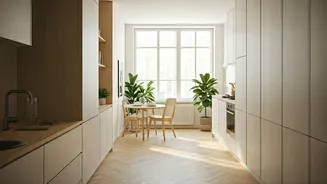
It’s the oldest trick in the book for a reason: mirrors create a powerful illusion of depth. Placing a large mirror on a wall opposite a window is particularly effective, as it reflects both light and the view, effectively doubling the visual space. Beyond mirrors, a cohesive color palette works wonders. Sticking to a limited range of light, neutral colors for walls, floors, and large furniture pieces creates a serene, uncluttered backdrop. This doesn’t mean the space has to be boring—you can add pops of color and personality through smaller items like pillows, art, and accessories.