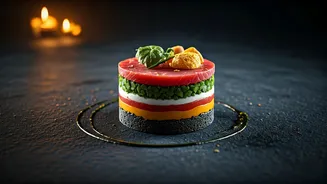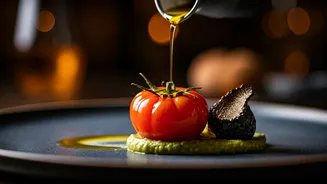


What is Premiumisation, Anyway?
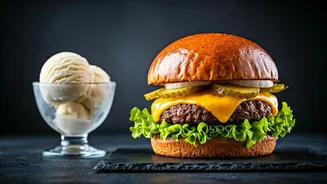
At its core, 'premiumisation' is the business-speak term for a simple idea: taking an ordinary, everyday product and making it feel special. Think of it as the glow-up for your grocery cart. Companies take something familiar—like ketchup, ice cream, or even
canned tuna—and elevate it through better ingredients, more attractive packaging, a unique backstory, or a more ethical supply chain. The result is a 'premium' version that commands a higher price but promises a better experience. It’s the difference between a standard bar of chocolate and a bar made from single-origin cacao beans harvested by a specific cooperative in Ecuador. Both are chocolate, but one tells a story and offers a sense of discovery, turning a simple snack into a small event.
The Psychology of the Everyday Upgrade
So, why are we increasingly willing to spend $8 on a loaf of sourdough or $6 on a bottle of cold-pressed juice? It’s not just about foodie culture; it’s about accessible luxury. For many, a fancy vacation or a designer handbag is out of reach, but a gourmet jar of mustard or a high-quality olive oil is an affordable indulgence. It’s a small, tangible way to treat ourselves and elevate a mundane routine. After a long day, making pasta with a sauce that tastes genuinely fresh and special feels like an act of self-care. This trend taps into a deeper desire for authenticity and connection. We want to know where our food comes from. A product with a story—about its founder, its ingredients, its heritage—feels more meaningful than a mass-produced, anonymous item. It’s a small vote for quality and craftsmanship in a world that often feels overwhelmingly generic.
From the Coffee Bar to the Condiment Aisle
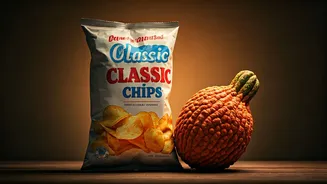
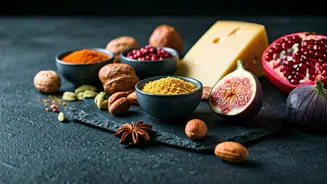
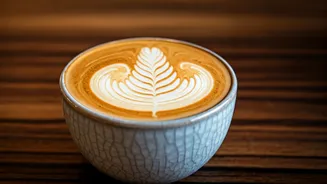
Once you know what to look for, you’ll see premiumisation everywhere. The coffee aisle is a classic example, having evolved from generic cans of pre-ground beans to a dizzying array of single-origin, fair-trade, and small-batch roasted options. The same transformation has happened with beer (the craft beer explosion), seltzer (hello, CBD-infused and adaptogenic sparkling water), and chocolate. But the trend has also reached the most humble corners of the supermarket. You can now find hot sauce aged in whiskey barrels, mayonnaise made with avocado oil, and potato chips flavored with exotic spices like black truffle. Even pet food has been premiumised, with brands offering grain-free, human-grade meals for our furry companions. Each upgrade offers a slightly better, more interesting, or seemingly healthier version of a staple, promising to make the everyday a little less ordinary.
More Than Just a Pretty Label
While clever marketing and beautiful packaging play a huge role, the premiumisation trend isn't entirely superficial. In many cases, these upgraded products genuinely are better. The artisanal cheese might use milk from a local farm with higher animal welfare standards. The premium pasta may be made with bronze-cut dies, a traditional method that creates a rougher texture for the sauce to cling to. The 'better-for-you' snacks often have shorter, more recognizable ingredient lists, free from the artificial flavors and preservatives found in their conventional counterparts. This focus on substance is what gives the trend its staying power. Consumers are more educated and discerning than ever. While a pretty label might convince them to buy a product once, only real quality and a superior experience will turn them into repeat customers.