





The Rebellion Against the Lawn
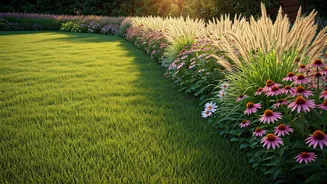
For decades, the American dream came with a lawn—a neatly manicured, uniformly green carpet of turf grass. But a growing movement is questioning that ideal. Homeowners are increasingly seeing their yards not as spaces to be tamed, but as ecosystems to be restored.
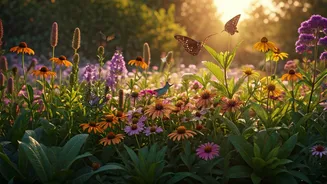
This isn't about letting things go; it's a deliberate choice to pivot from high-maintenance, ecologically sterile landscapes to dynamic habitats teeming with life. The "take over" described isn't hostile; it's a welcome return. Native plants—the trees, shrubs, and wildflowers that evolved in a particular region over thousands of years—are being invited back into suburban and urban spaces. This trend, often called rewilding or habitat gardening, represents a fundamental rethinking of what a garden is for. Instead of being purely ornamental, a garden can be a functional part of the local ecosystem.
More Birds, Bees, and Life
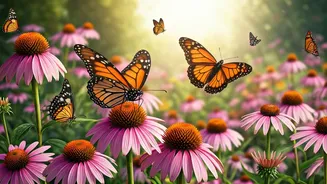
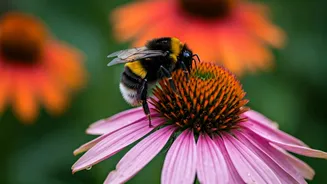
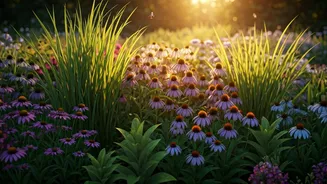
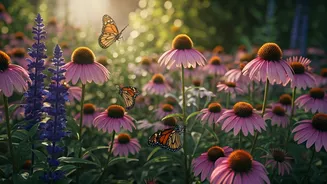
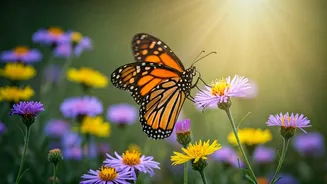
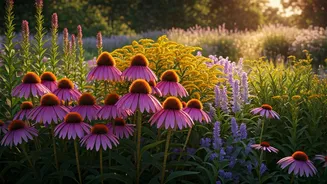
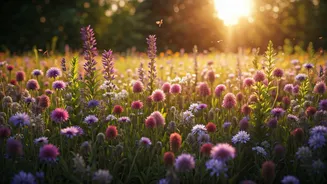
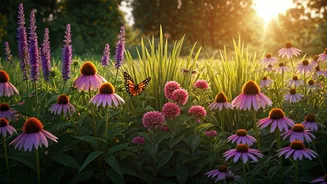
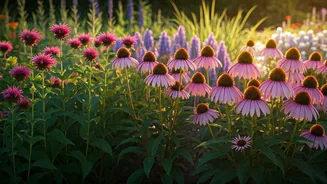
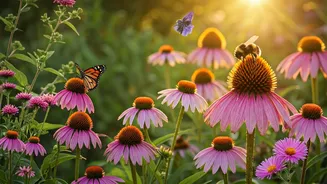
The primary driver behind the native plant movement is ecological. Traditional landscaping often relies on plants from Europe or Asia, like English ivy, Japanese barberry, or crape myrtles. While beautiful, these plants are often unrecognizable to local insects and birds. They are, in effect, a food desert. Native plants, on the other hand, are the foundation of the local food web. A native oak tree, for example, can support over 500 species of caterpillars, which are a critical food source for nesting birds. A non-native ginkgo tree supports fewer than five. By planting native species like milkweed, coneflowers, and asters, gardeners provide essential nectar for bees and butterflies, host plants for their larvae, and seeds for birds. The result is a yard that hums, flutters, and chirps—a tangible, visible reward for making an earth-friendly choice. Organizations like the National Wildlife Federation and the Audubon Society have championed this cause, providing resources that link specific plants to the wildlife they support.
Less Work, More Beauty
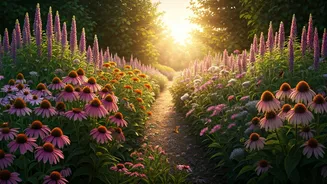
For many converts, the ecological benefits are paired with a huge practical upside: native gardens can be surprisingly low-maintenance. Because these plants are adapted to the local climate, soil, and rainfall patterns, they require far less human intervention to thrive. Once established, a native garden typically needs less water than a traditional lawn, little to no fertilizer, and no pesticides, as they have co-evolved defenses against local pests. This doesn’t mean a native garden is a no-maintenance garden, but the work is different. It’s less about mowing, spraying, and imposing rigid order, and more about seasonal cleanup, occasional weeding, and observing the natural cycles of growth and decay. The aesthetic is also different. Instead of static perfection, a native garden offers four seasons of interest—from spring blossoms and summer abundance to the sculptural beauty of seed heads in the fall and winter, which also provide crucial food for wildlife.
How to Join the Movement
Getting started with native plants is easier than you might think. You don't need to rip out your entire lawn at once. 1. **Start Small:** Begin by converting one small section of your yard. Replace a patch of lawn with a wildflower bed, or swap out a non-native shrub for a native alternative like a serviceberry or viburnum. 2. **Do Your Homework:** The definition of "native" is hyper-local. A plant native to Northern California may not be native to Southern California. Use online resources like the National Audubon Society's "Plants for Birds" database or the National Wildlife Federation's Native Plant Finder, which allow you to enter your zip code to get a customized list of plants that will thrive in your area and support local wildlife. 3. **Find a Local Source:** Seek out local nurseries that specialize in native plants. The staff will be knowledgeable, and you'll be getting plants that are genetically adapted to your specific region. 4. **Embrace the Process:** A native garden evolves. It's a partnership with nature. Be patient, observe what works, and enjoy the process of watching your yard come to life.