




More Than Just a Rainy Weekend
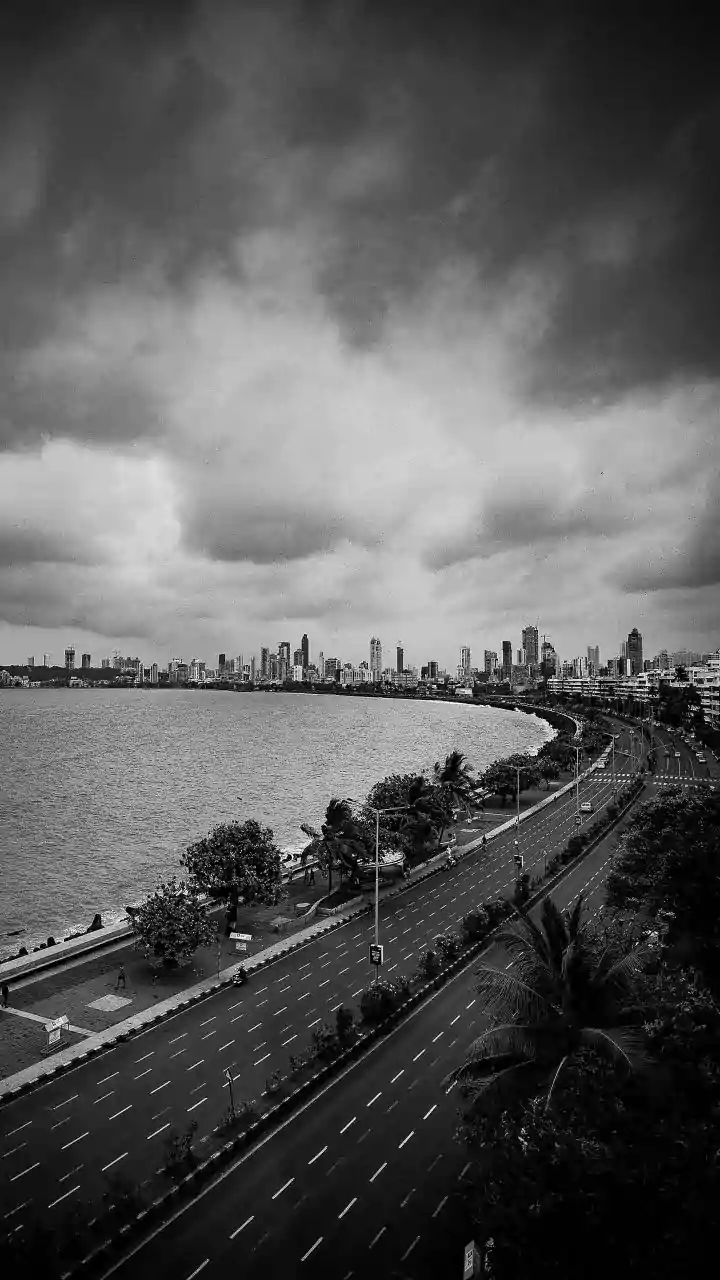
First, a quick geography lesson. Maharashtra is a massive state on India’s west coast, home to over 125 million people and the financial megacity of Mumbai. When a headline warns its residents to check the forecast, it’s not just about a spoiled picnic.
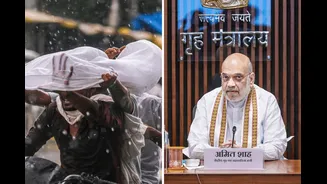
It’s a signal that the monsoon—a phenomenon of staggering scale and power—is active. For people in this region, the forecast determines whether roads will be passable, if trains will run, and if low-lying neighborhoods will be safe from flooding. A “yellow alert” or “orange alert” from the India Meteorological Department (IMD) isn’t casual advice; it’s a critical public service announcement that can mean the difference between a normal day and a city-wide shutdown.
The Engine of a Subcontinent
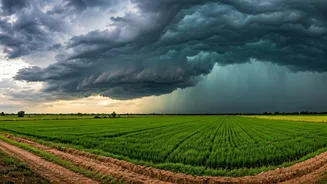
So, what exactly is the monsoon? It's often mistaken for just “rainy season,” but it’s a colossal weather engine. Think of it like a planet-sized sea breeze. During the intense heat of the spring, the vast Indian landmass heats up much faster than the surrounding Indian Ocean. This creates a massive low-pressure area that acts like a vacuum, sucking in cool, moisture-laden air from the sea. These winds, reversing their usual direction, sweep across the subcontinent from June to September, unleashing torrential rains. This isn’t a series of scattered thunderstorms; it's a single, interconnected system that provides over 70% of India’s annual rainfall. Its arrival is a national event, tracked with the same anticipation Americans reserve for a presidential election.
A Blessing and a Curse
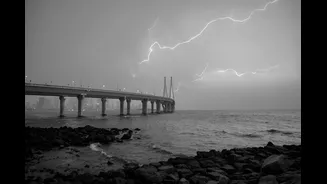
The monsoon is the ultimate double-edged sword. For India’s agricultural sector, which employs nearly half the country's workforce, its timely arrival and proper distribution are matters of life and death. A weak monsoon can lead to drought, crop failure, and economic despair. A strong one replenishes reservoirs, cools the scorching land, and guarantees water for the year ahead. But that same life-giving force can be terrifyingly destructive. In a city like Mumbai, built on a low-lying peninsula, the monsoon’s downpours regularly overwhelm drainage systems designed decades ago. Streets turn into rivers, bringing the city of 20 million to a standstill. Landslides in the hilly regions of Maharashtra become a deadly threat, and what started as a blessing from the sky ends up as a crisis on the ground.
Woven into the Fabric of Life
Beyond the economics and the danger, the monsoon is deeply embedded in the cultural soul of India. For centuries, it has been celebrated in poetry, music, and art as a symbol of relief, romance, and renewal after the oppressive pre-summer heat. The smell of the first rains hitting the dry earth—a scent called petrichor—is universally cherished. Special foods are craved and prepared, from hot, fried pakoras to steaming cups of chai. The monsoon’s arrival marks a profound shift in mood and daily routine. It’s a time of both frustration and joy, of huddling indoors to escape the deluge and of celebrating the green, washed-clean world it leaves behind. It’s a shared experience that connects everyone, from the farmer watching the clouds to the city dweller navigating a flooded commute.