

The Most Epic Setting Imaginable
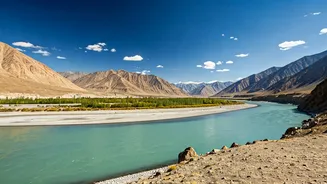
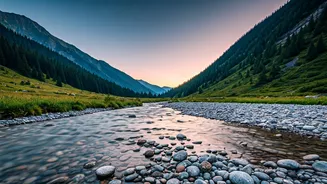
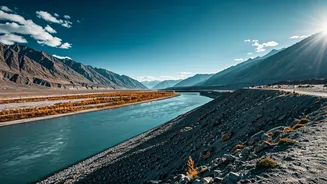
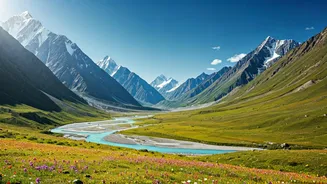
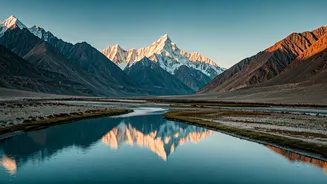
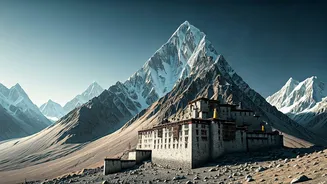
First, let's talk about the location. The festival takes place on the banks of the Indus River near Leh, the main town in Ladakh. Known locally as the Sindhu River, this is the very waterway that gave India its name. The setting is nothing short of breathtaking.
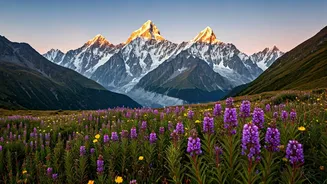
You are surrounded by stark, beautiful mountains under a brilliant blue sky, at an altitude of over 11,000 feet. The air is crisp and thin, and the landscape feels ancient and powerful. For American travelers accustomed to national parks like Zion or the Grand Canyon, Ladakh offers a similar geological grandeur but on a Himalayan scale, with a completely different cultural texture. The festival’s location isn’t just a backdrop; it’s an active participant, its majesty elevating the entire experience.
A Celebration of Unity and Harmony
The Sindhu Darshan Festival is more than just a party; it's a profound statement. Started in the late 1990s, its primary mission is to promote national unity and communal harmony. It celebrates the Indus River as a symbol of India's shared civilization and identity. Artists, dancers, and musicians from dozens of different states across India travel to this remote corner to share their traditions. In a world that often feels divided, witnessing this deliberate, joyful celebration of togetherness is incredibly moving. You’ll see performers from Punjab dancing alongside troupes from southern Kerala, all sharing a single stage in a message of cross-cultural respect.
A Vibrant Showcase of Culture
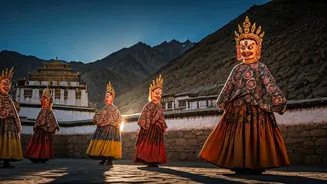
This is a feast for the senses. The festival grounds pulse with energy. The air fills with the sounds of folk music, from the rhythmic drumming to the melodic strains of traditional string instruments. Your eyes will be drawn to the explosion of color: dancers in elaborate, jewel-toned costumes, intricate regional dress, and the bright prayer flags that flutter everywhere in Ladakh. It’s an immersive cultural crash course. Unlike a museum exhibit, this is living, breathing culture performed with passion and pride. It’s an opportunity to see a dazzling cross-section of India’s artistic diversity in one spectacular location, making it a uniquely efficient and enjoyable way to experience the country's rich heritage.
A Spiritual Connection to Nature
At its heart, the festival is about paying homage to the life-giving Sindhu (Indus) River. A central ritual involves attendees bringing water from their own home rivers in urns to merge into the Sindhu, symbolizing the interconnectedness of all people and places. This act of reverence for nature is deeply ingrained in the proceedings. In a time of growing ecological awareness, this aspect of the festival feels particularly relevant. It’s a powerful reminder of our dependence on the natural world, celebrated through prayer, music, and community. For many visitors, the quiet, spiritual moments by the river are just as memorable as the loud, colorful performances.
The Perfect Anchor for a Himalayan Adventure
Let’s be practical: Ladakh is a long way to go. But the Sindhu Darshan Festival, typically held over three days around the full moon in June, provides the perfect anchor for a larger trip. June is an ideal time to visit Ladakh, as the mountain passes are open and the weather is pleasant. You can plan your trip around the festival, spending the preceding or following weeks exploring the region’s other wonders. Visit ancient Buddhist monasteries perched on cliffs, drive over Khardung La (one of the world's highest motorable passes), see the surreal landscapes of the Nubra Valley, and camp by the shimmering Pangong Lake. The festival gives your adventure a clear focus and a cultural high point.