




The Post-Europe Hangover
Let’s be honest: the classic European summer vacation is starting to feel a little tired. For years, it was the default aspirational trip for Americans, but the script is becoming predictable. You fight through crowds in Rome to see the Colosseum, pay
$25 for a spritz in Mykonos, and discover the charming Parisian bistro you saw on Instagram is now permanently queued with other tourists. The combination of post-pandemic revenge travel, inflation, and a less-than-favorable exchange rate has made much of Western Europe feel both overwhelmingly crowded and eye-wateringly expensive. Travelers are seeking something more—a trip that delivers not just a postcard moment, but a genuine sense of discovery and, crucially, better value.
Tokyo: The High-Fidelity Flex
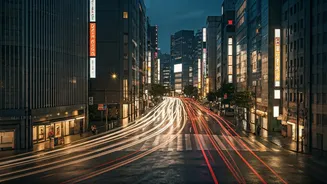
If your idea of a flex is experiencing a city that feels like it’s operating 20 years in the future, Tokyo is your destination. Japan’s full reopening has unleashed a torrent of interest, and for good reason. This is a city of exhilarating contrasts. One moment you’re navigating the neon-drenched, Blade Runner-esque chaos of Shibuya Crossing, the next you’re finding serene silence in the ancient Meiji Shrine. The flex here isn’t about lounging; it’s about engagement. It’s about appreciating the profound dedication to craft, whether in a $300-a-head sushi omakase or a $10 bowl of ramen from a master who has perfected one dish for 40 years. Even the convenience stores, with their gourmet sandos and specialty coffee, feel like a revelation. Tokyo rewards curiosity with layers of culture, mind-bending art installations like teamLab Borderless, and a transportation system so efficient it feels like a miracle.
Bangkok: The Maximum-Vibe Flex
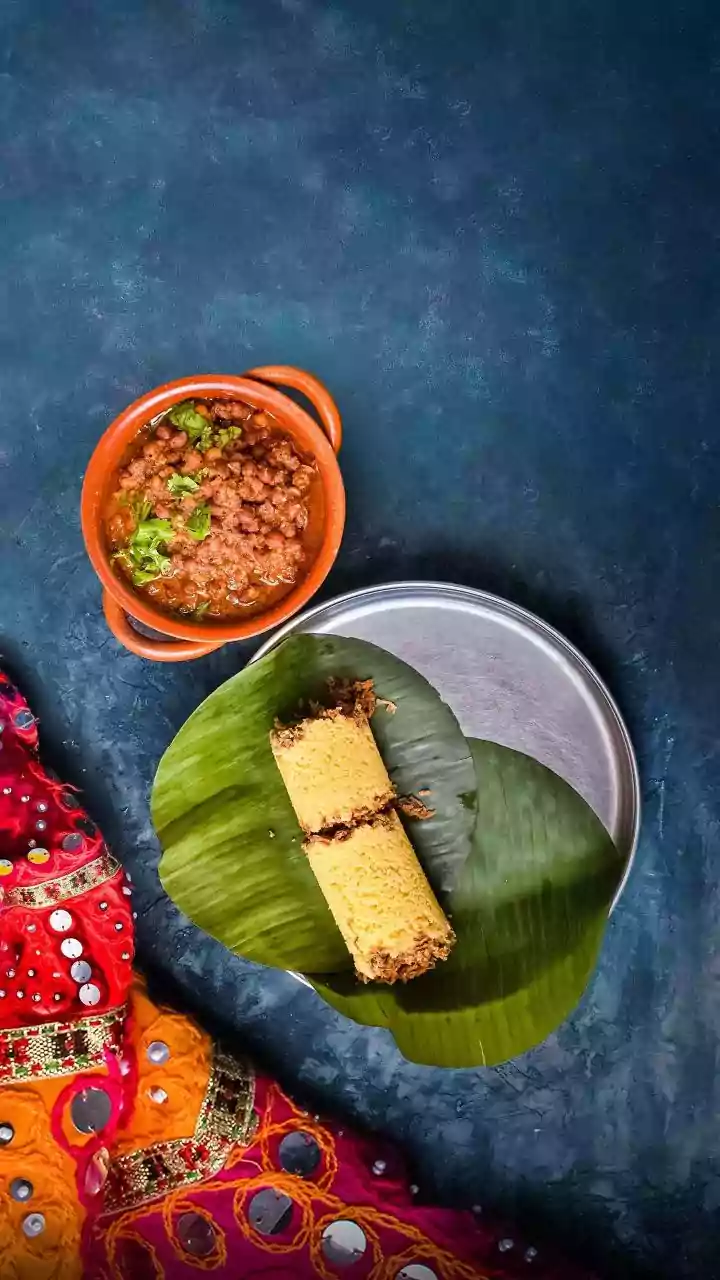
If Tokyo is a precise and futuristic symphony, Bangkok is a chaotic, thrilling rock concert. It’s a city that hits you with a wall of sound, smell, and color the moment you step outside. The flex in Bangkok is about surrendering to the vibrant energy. Tuk-tuks weave through traffic, street food vendors sizzle up world-class dishes for a few dollars, and golden temples gleam next to sleek, modern rooftop bars with panoramic city views. While Tokyo’s appeal is its refined order, Bangkok’s is its glorious, warm-hearted disarray. It’s a place where you can get a Michelin-starred meal from a street stall (like Jay Fai’s famous crab omelet) and then wander through a bustling night market, all in the same evening. It’s a sensory feast that makes you feel profoundly alive and far from home, in the best possible way.
The Real Flex: Unbeatable Value
Here’s the part of the flex that goes beyond the photos: both cities offer incredible value, especially compared to their European counterparts. With the U.S. dollar holding strong against the Japanese yen and the Thai baht, your money simply goes further. A gourmet meal that might cost $200 in Paris could be $60 in Tokyo. A luxury hotel room that’s $800 a night in Italy might be a third of that price for equivalent five-star service in Bangkok. This isn’t about being cheap; it’s about being smart. The value proposition allows for a richer, more diverse trip. You can afford to explore more, eat better, and stay longer. The ultimate flex, it turns out, is having an epic, culturally immersive adventure without feeling like you’ve been completely fleeced.