






The Rise of the Digital Cabin
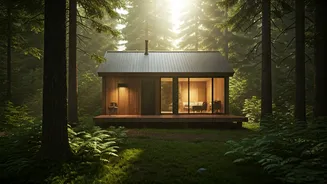
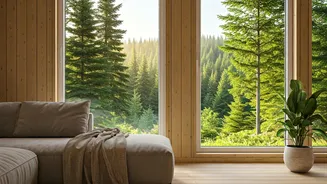
Scroll through Instagram or TikTok, and you’ll find it. It’s the A-frame cabin with floor-to-ceiling windows, the cozy reading nook overlooking a pine forest, or the outdoor bathtub steaming under a canopy of stars. Welcome to the world of “cabin core,”
a social media aesthetic where life is slower, the air is cleaner, and every moment is artfully rustic. Creators specializing in this niche present a fantasy of total disconnection and serene simplicity. They chop wood in perfectly worn flannel, sip pour-over coffee as deer wander past, and read thick novels by a crackling fire. It’s a powerful, alluring vision that promises an escape not just from the city, but from the relentless pace of modern life itself. Every post is a silent invitation to leave it all behind for a life measured in birdsong and sunsets, not deadlines and notifications.
An Antidote for Digital Burnout
It’s no coincidence this trend has exploded in an era of unprecedented burnout. We’re over-stimulated, perpetually online, and exhausted by the demands of a 24/7 work culture. The forest escape fantasy offers a potent psychological balm. It’s a visual representation of everything our current lives are not: quiet, deliberate, and grounded in the natural world. Watching someone else live this idyllic life provides a form of vicarious relaxation. The appeal isn't just about a vacation; it's about a wholesale rejection of the pressures we feel every day. This digital daydream taps into a deep, collective yearning for authenticity and a connection to something more tangible than a glowing screen. It feels like the ultimate life hack—a way to find peace without having to actually deal with spotty Wi-Fi.
The Unseen Labor of Paradise
Here’s the part that doesn’t make the highlight reel: the reality. That perfect, isolated cabin often comes with leaky roofs, frozen pipes, and a constant battle against mud and insects. The “serene” quiet can quickly curdle into unnerving isolation. That romantic wood-burning stove requires hours of chopping, stacking, and cleaning. And the biggest illusion of all? The idea of being truly “disconnected.” The creators selling this fantasy are, by definition, deeply connected. They are running a business. Behind every effortless shot of a sunrise is a carefully planned content strategy, professional camera equipment, editing software, and the constant pressure to post. They aren't escaping the digital world; they are masterfully using it to monetize the very idea of escaping. The peace they project is a product, and creating that product is hard work.
Consuming the Vibe, Not the Trip
Ultimately, what most of us are consuming isn’t a travel guide; it's an aesthetic. The forest escape has become a “vibe” we can participate in from our couches. We buy the chunky knit blanket, the enamel camp mug, and the pine-scented candle. We’re purchasing small, accessible pieces of the fantasy to make our own, very-much-connected lives feel a little more like the dream. There’s nothing inherently wrong with this. It’s a form of digital escapism, a mini-meditation in a world that offers few breaks. The danger is confusing the curated image with a viable, effortless reality. The perfect forest escape, as presented online, doesn't really exist. It’s a beautifully constructed story, not a blueprint for living.