



An Island That Floats in Time
Majuli is not your typical island getaway. Nestled in the heart of the Brahmaputra River in the northeastern state of Assam, it has long been considered the world's largest river island. But this is a title held with a sense of precariousness. Every monsoon
season, the river's powerful currents claim more of its sandy shores, shrinking the landmass and threatening the unique way of life that has flourished here for centuries. A visit to Majuli is more than a vacation; it's a journey into a living museum, a place where culture, nature, and spirituality are intertwined in a delicate, beautiful balance. Getting here requires a commitment—typically a flight to the city of Jorhat, followed by a rustic and unforgettable ferry ride across the swirling, silt-heavy waters of the Brahmaputra.
The Heartbeat of Culture: The Satras
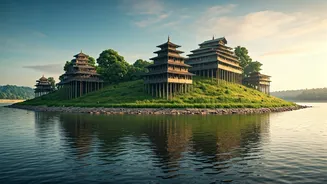
The soul of Majuli resides in its *satras*. These are not just monasteries but unique monastic institutions established in the 15th and 16th centuries as the epicenter of Neo-Vaishnavism, a monotheistic stream of Hinduism. Stepping into a satra is like stepping back in time. You’ll find celibate monks of all ages living simple, devotional lives dedicated to prayer, music, dance, and craft. The air is filled with the sound of chanting, the rhythmic beat of drums (*khol*), and the clash of cymbals. Visitors are welcome to observe these rituals. The Kamalabari Satra is renowned for its classical dance forms, while the Auniati Satra is known for its collection of ancient Assamese artifacts and jewelry. These are not tourist shows but authentic, daily expressions of faith, offering a profound glimpse into an enduring spiritual tradition.
Faces of the Gods: The Mask-Makers
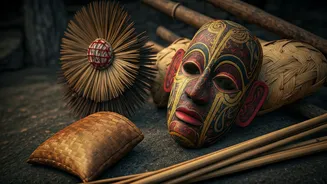
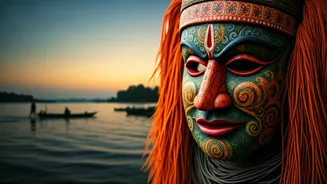
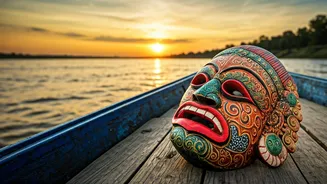
One of Majuli's most captivating art forms is its tradition of mask-making. At the Samaguri Satra, artisans craft intricate, life-sized masks used in religious theatrical performances called *Bhaona*. These are not mere decorations; they are sacred objects that allow performers to embody gods, demons, and animals from Hindu epics. Made from a framework of bamboo, layered with cloth, clay, and cow dung, the masks are surprisingly light and expressive. Seeing a master artist like Dr. Hem Chandra Goswami or his disciples at work is a highlight of any trip. They demonstrate how a simple pull of a string can change a mask's expression from serene to ferocious, bringing mythological characters to life before your eyes. It’s a powerful, tangible connection to the island’s artistic heritage.
Life on the Mighty Brahmaputra
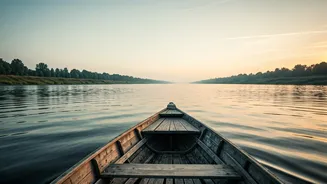
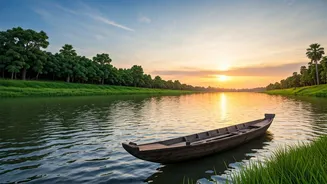
The Brahmaputra River is both the creator and destroyer of Majuli, and its presence is inescapable. Life on the island moves to the river's rhythm. The journey to and from the island via the public ferry is an experience in itself, a chaotic and vibrant slice of local life with motorbikes, goods, and people all packed aboard. Once on the island, the river offers stunning vistas. Sunsets are spectacular, painting the vast expanse of water and sky in hues of orange and purple. The island's wetlands and shores are also a haven for birdwatchers, especially during the winter months when migratory birds flock here. Renting a bicycle or a scooter is the best way to explore the sleepy villages, lush green paddy fields, and quiet riverbanks at your own pace.
Your Majuli Blueprint: Practical Tips
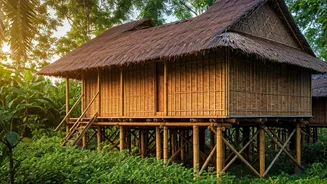
Planning a trip to this remote haven requires a bit of foresight. The best time to visit is between October and March, after the monsoons have subsided and the weather is cool and pleasant. The annual Raas Leela festival in November, a three-day celebration of Lord Krishna's life, is an especially vibrant time to be on the island. To get there, you'll need to reach Jorhat in Assam (accessible by air or train) and then take a taxi or rickshaw to the Nimati Ghat ferry point. Ferries run several times a day, but schedules can be fluid, so it’s wise to be flexible. Accommodations on Majuli are simple and charming, ranging from bamboo cottages in eco-resorts to family-run guesthouses and homestays. Don't expect five-star luxury; instead, embrace the warm hospitality and rustic simplicity.